




- Joined
- Apr 13, 2025
- Runs
- 6,210
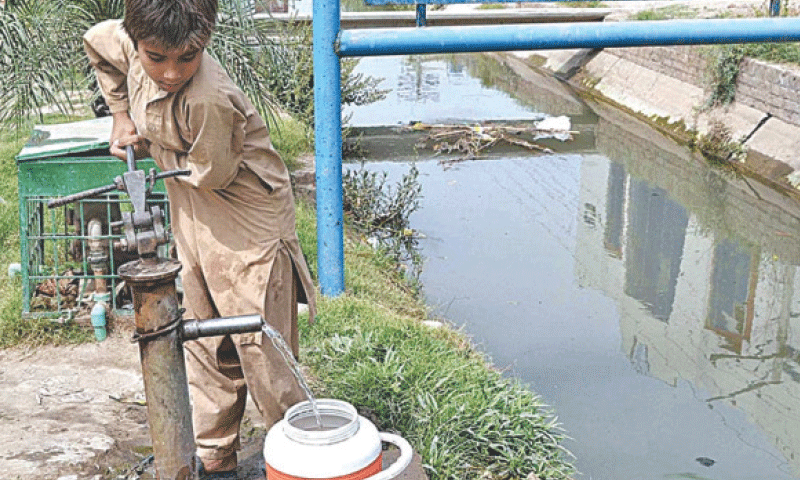
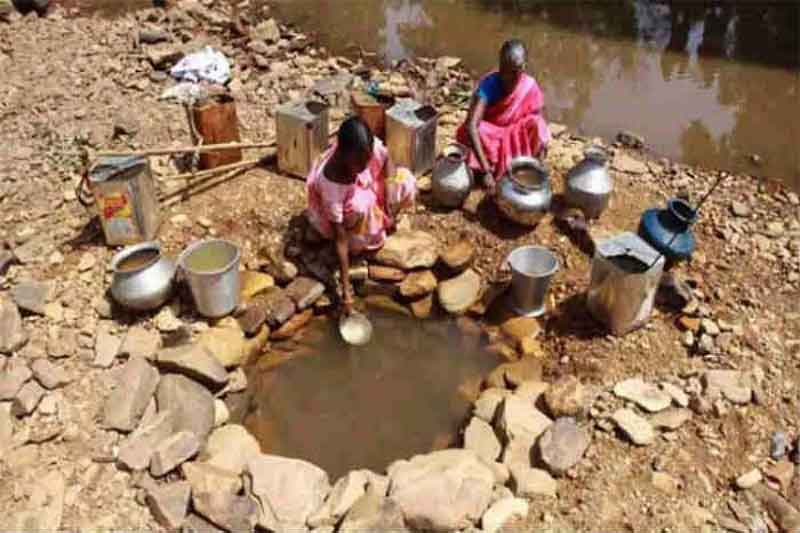
Only 47 per cent of Pakistanis have access to safe drinking water, experts warned at a seminar hosted by the Pakistan Institute of Development Economics (PIDE) in Islamabad, highlighting the country's deepening water-quality crisis and its grave implications for public health, productivity, and sustainable development.
Speaking at the event, "The Thirst for Safety: Water Quality and Public Health in Pakistan," Dr Hifza Rasheed, Director General (Water Quality) at the Pakistan Council of Research in Water Resources (PCRWR), revealed that Pakistan's per capita freshwater availability has dropped from 5,260 cubic metres in 1951 to below 1,000 cubic metres in 2024, placing it among water-scarce nations.
Dr Rasheed and Dr Shujaat Farooq, Dean (Research) at PIDE, underscored that unsafe water contributes to nearly 40 per cent of diseases nationwide and urged urgent, coordinated, and climate-resilient reforms to safeguard Pakistan's water future.
The session gathered experts, researchers, and students to discuss the country's deepening water-quality crisis and its implications for health, productivity, and sustainable development.
Opening the seminar, Dr Farooq noted that despite Pakistan's abundant natural resources, contamination, over-extraction, and institutional fragmentation have made water insecurity one of the country's most pressing public health challenges.
Citing UNICEF data, he said nearly 70% of households consume contaminated water, and 30-40% of diseases—including diarrhoea, hepatitis, and typhoid—stem from unsafe water. "The challenge," he emphasised, "is not only scarcity but weak coordination and management."
Presenting a national overview, Dr Rasheed revealed that Pakistan's per capita freshwater availability has fallen from 5,260 m³ in 1951 to below 1,000m³ in 2024, placing the country in the water-scarce category.
Agriculture uses around 93% of total freshwater, yet irrigation efficiency remains below 40%. In Punjab alone, more than 1.3 million tubewells extract roughly 50 million acre-feet of groundwater each year, leading to severe depletion.
PCRWR data indicate that only 47% of Pakistan's population currently has access to safe drinking water, a modest improvement from 39% in 2022, but still far from the SDG 6.1 target of universal access by 2030.
She warned that unsafe water causes approximately 53,000 child deaths annually and contributes to high stunting rates affecting 44% of children nationwide. Industrial effluents, pesticides, and untreated sewage are major pollutants, with arsenic contamination acute in southern Punjab and Sindh. Only 38% of wastewater is treated before discharge.
Highlighting climate risks, Dr Rasheed noted Pakistan ranks fifth among the world's most water-insecure nations. The 2025 floods caused $14.9 billion in damages, worsening contamination and disease.

 tribune.com.pk
Speaking at the event, "The Thirst for Safety: Water Quality and Public Health in Pakistan," Dr Hifza Rasheed, Director General (Water Quality) at the Pakistan Council of Research in Water Resources (PCRWR), revealed that Pakistan's per capita freshwater availability has dropped from 5,260 cubic metres in 1951 to below 1,000 cubic metres in 2024, placing it among water-scarce nations.
Dr Rasheed and Dr Shujaat Farooq, Dean (Research) at PIDE, underscored that unsafe water contributes to nearly 40 per cent of diseases nationwide and urged urgent, coordinated, and climate-resilient reforms to safeguard Pakistan's water future.
The session gathered experts, researchers, and students to discuss the country's deepening water-quality crisis and its implications for health, productivity, and sustainable development.
Opening the seminar, Dr Farooq noted that despite Pakistan's abundant natural resources, contamination, over-extraction, and institutional fragmentation have made water insecurity one of the country's most pressing public health challenges.
Citing UNICEF data, he said nearly 70% of households consume contaminated water, and 30-40% of diseases—including diarrhoea, hepatitis, and typhoid—stem from unsafe water. "The challenge," he emphasised, "is not only scarcity but weak coordination and management."
Presenting a national overview, Dr Rasheed revealed that Pakistan's per capita freshwater availability has fallen from 5,260 m³ in 1951 to below 1,000m³ in 2024, placing the country in the water-scarce category.
Agriculture uses around 93% of total freshwater, yet irrigation efficiency remains below 40%. In Punjab alone, more than 1.3 million tubewells extract roughly 50 million acre-feet of groundwater each year, leading to severe depletion.
PCRWR data indicate that only 47% of Pakistan's population currently has access to safe drinking water, a modest improvement from 39% in 2022, but still far from the SDG 6.1 target of universal access by 2030.
She warned that unsafe water causes approximately 53,000 child deaths annually and contributes to high stunting rates affecting 44% of children nationwide. Industrial effluents, pesticides, and untreated sewage are major pollutants, with arsenic contamination acute in southern Punjab and Sindh. Only 38% of wastewater is treated before discharge.
Highlighting climate risks, Dr Rasheed noted Pakistan ranks fifth among the world's most water-insecure nations. The 2025 floods caused $14.9 billion in damages, worsening contamination and disease.
Only 47% of Pakistanis have access to safe drinking water | The Express Tribune
Experts urge coordinated action as water contamination fuels disease spread
tribune.com.pk