What's new

The appalling state of Indian hospitals

finalfantasy7

First Class Captain
Joined
Jan 19, 2011
Runs
4,517
Created this thread to report the constant ongoing news on indian hospitals - the amount of feeds which appear on my mobile phone - i'll be listing.

For a country which claims to be the 4th largest democrocy in the world - below link shos you the reality:


Costs of indian hospitals:


Insurance, Talent, Hospitals: 3 Biggest Problems in India’s Health Sector​


These problems still haven't been fixed, can fellow pp indians advise us, why is tis still occurung but more importantly why is it increasing:
 

Unravelling India’s Biggest Insurance Scam! IPS Officer Anukriti Sharma Discusses​


Even the dead cannot escape
 
I will tell you my experience in Indian Hospitals.

1) They are under staffed. Doctors are overworked. They have no life.
2) You get the treatment for the money you are willing to pay.
3) Doctors are extremely good. However, they do not spend any time explaining the patient their condition.
4) The trust between patients and hospital staff is very low. One has to pay for a Test where there are long lines, then take the receipt and give to the diagnostic center at the hospital located in a different floor.
5) If someone is not well versed with the hospital map, they can be easily lost.
6) Many from villages with an elderly or Sick patient, when they turn up, they come with a large contingent. They sit on the floor and make the whole place a picnic. It just adds to the chaos.
7) One needs to have good contacts if they want to expedite the treatments.
8) Usually they try to avoid unnecessary Tests. Doctors are quick to prescribe medicines. They know that majority cannot afford the costly tests.
9) Lastly, avoid government hospitals. They may be very cheap. But the quality of treatment is horrendous. The entire are feels diseased with no privacy for patients.
10) Overall, the cost of the treatment is just a fraction of what it costs in West. It is not uncommon to see Foreign nationals coming there to seek treatment.
 
I will tell you my experience in Indian Hospitals.

1) They are under staffed. Doctors are overworked. They have no life.
2) You get the treatment for the money you are willing to pay.
3) Doctors are extremely good. However, they do not spend any time explaining the patient their condition.
4) The trust between patients and hospital staff is very low. One has to pay for a Test where there are long lines, then take the receipt and give to the diagnostic center at the hospital located in a different floor.
5) If someone is not well versed with the hospital map, they can be easily lost.
6) Many from villages with an elderly or Sick patient, when they turn up, they come with a large contingent. They sit on the floor and make the whole place a picnic. It just adds to the chaos.
7) One needs to have good contacts if they want to expedite the treatments.
8) Usually they try to avoid unnecessary Tests. Doctors are quick to prescribe medicines. They know that majority cannot afford the costly tests.
9) Lastly, avoid government hospitals. They may be very cheap. But the quality of treatment is horrendous. The entire are feels diseased with no privacy for patients.
10) Overall, the cost of the treatment is just a fraction of what it costs in West. It is not uncommon to see Foreign nationals coming there to seek treatment.
understanable, but what i dont get India is known for thr medicine, operations, doctors, why are thr so many large hospitals with huge problems.


No one in the world should receive bad care
 
Indian guy views on this hospital he visited


ttps://x.com/venkat_fin9/status/1954598395395596288?s=20
 
posting old news ,have you look at Pakistan hospital conditions? 🤡🤡🤡🤣🤣🤣🤣 :klopp :kp
 
Last edited by a moderator:
Pakistan is surviving because india export life saving drugs to Pakistan. Ek paracitamol to bana ni sakte 🤡🤣🤣

:klopp :kp
 
Found a instrgram short video:


As she states can't pay, then just die


:cry:

Possibly one of the most heartless places on Earth.

There was a Bangladeshi who fell sick during an air travel. Plane wanted to land in India for an emergency. India declined. Plane eventually landed in Pakistan and the Bangladeshi guy received treatment in Karachi.

:inti

===================================

Saudia flight lands in Karachi after India refuses entry for sick Bengali passenger

KARACHI: ASaudia Airlines aircraft made an emergency landing in the port city after its Riyadh-bound flight from Dhaka sawa passenger's health deteriorate during the flight on Tuesday.

Sources told Geo News that the Saudia flight, SV 805, departed from the Bangladesh capital city at 3:57am and was flying above the Indian airspace when the health of one of its passengers, a 44-year-old Bangladeshi citizen, worsened mid-flight.

The condition of Abu Tahir, the Bengali passenger, was bad as he suffered from high blood pressure and kept vomiting, airline sources said.

Following the passenger's health, the pilot diverted the aircraft towards Mumbai and sought permission from the Air Traffic Controller in Mumbai for a humanitarian landing.

By the time the air traffic controller could issue permission, the plane had taken the landing approach towards Mumbai. The ATC sought the nationality and other details of the affected passenger and refused to offload the Bangladeshi Muslim passenger.

The Saudi plane was refused entry into the Indian territory, citing the presence of Bengali passengers who were on board the flight.

After receiving instructions from the Mumbai ATC, the pilot sought Karachi Air Traffic Controller for permission to land a flight in the port city after which the aircraft was flown towards Karachi and touched down at the Jinnah International Airport at 7:28am.

The Civil Aviation Authority's (CAA) medical team took emergency measures at the airport with doctors arriving to treat the patient as soon as the plane landed.

The Bengali passenger on board the plane was examined by the doctor present at the spot who provided medical aid to him. Following the check-up, the plane flew to Riyadh from Karachi.

Source: https://www.geo.tv/amp/531836-saudi...ndia-refuses-entry-for-sick-bengali-passenger.
 
@finalfantasy7

Read it's 🤣🤡🤡🤡🤣🤣

:klopp :kp
i've read it, and i do agree that pakistan needs to improve its hospitals, i've just visited pakistan in october just passed, however this thread title is about Indian Hospitals


you can create your own thread, but do tell me about the articles ive listed
 
i've read it, and i do agree that pakistan needs to improve its hospitals, i've just visited pakistan in october just passed, however this thread title is about Indian Hospitals


you can create your own thread, but do tell me about the articles ive listed
First make some own medicine, india maien to treatment karwane ate ho :klopp :kp
 
trust me - i dont trust india so called own medicines
Latest news

https://educationpost.in/news/busin...g-supply-crisis-as-trade-with-india-suspended

This is how much Pakistan depended on India thag even they allowed to import life saving drugs when trade was banned between India and Pakistan .


Isly bolta hai phle news dekh liya kar.

:klopp :kp
 
India hospital capacity still far from the global norm, doctor patient ratio is 1:811


That is absolutely ridiculous, what are you lot doing - are you lot trying to go for a unbreakable world record
 
Worms found in Governemnt supplied Azithromycin syrup:


I'm guessing no one got sacked
 

₹1,400 crore dues push Telangana private hospitals to suspend Aarogyasri services from September 16 midnight​


Another problem, dont blame me as usual - go after the person responsibile, if you cant contact the local MP - if they actually do anything
 
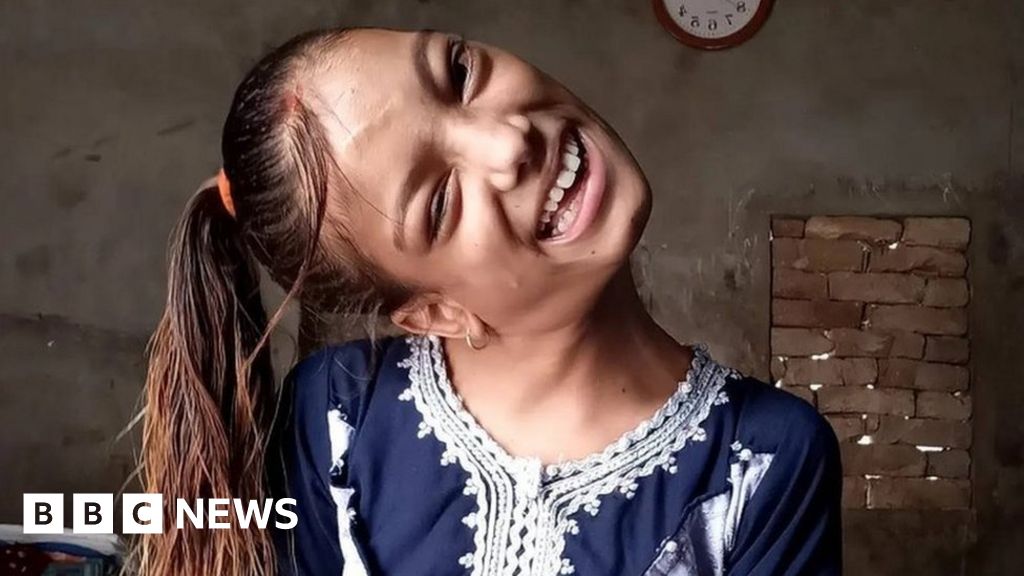
Newborn Set To Lose Hand After Greater Noida Hospital Gives Her Wrong Injection

Look everyone knows what you are trying to do, and honestly there was more of an outcry from Indians on social media on this news, you are just making stupid points and that’s fine but posting old news to make a point about a small child is absolutely shambolic even for your standards..

Except me no one is even reading your posts either..
 
Look everyone knows what you are trying to do, and honestly there was more of an outcry from Indians on social media on this news, you are just making stupid points and that’s fine but posting old news to make a point about a small child is absolutely shambolic even for your standards..

Except me no one is even reading your posts either..
Why are you torturing yourself :ROFLMAO: :ROFLMAO:
 
Worms found in Governemnt supplied Azithromycin syrup:


I'm guessing no one got sacked
That is disgusting. Who was doing the final sign-off before handing out to the patient ?

When I'm checking medication, including antibiotic liquids, I always give the bottle a shake and check the contents.
 
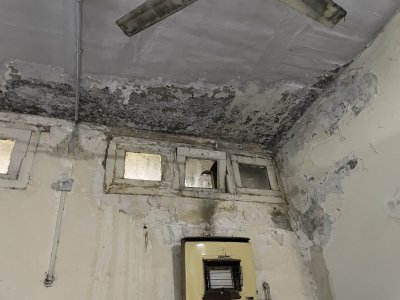
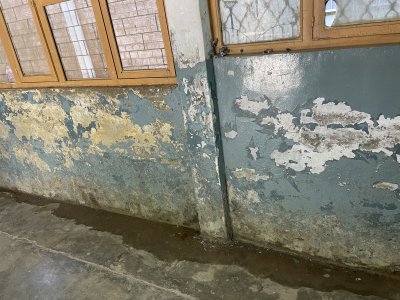
I once had to go and check out some Pakistani hospitals, some interesting pics:

IMG_0376.jpeg

IMG_1620.jpeg

IMG_1425.jpeg

Can’t say I was much impressed by cleanliness.
 
That is disgusting. Who was doing the final sign-off before handing out to the patient ?

When I'm checking medication, including antibiotic liquids, I always give the bottle a shake and check the contents.
Yeah that’s not how government hospitals work in India at all..the biggest issue is the number of patients , I’m certain you are mandated on that as well.. a government doctor in India might end up seeing a lot more patients, now imagine the situation at pharmacist level at government level..
 
Look everyone knows what you are trying to do, and honestly there was more of an outcry from Indians on social media on this news, you are just making stupid points and that’s fine but posting old news to make a point about a small child is absolutely shambolic even for your standards..

Except me no one is even reading your posts either..
what point do you think im making - im just posting news - i havent even @ you for this and your still demanding me to stop posting relevant articles...

So you think everyone isnt reading my posts - are you the real life Oracle (in the matrix) so why are other people commentating, i only @ you, rajdeep, devadel, cricketjoshilla, vikram1999, champ_pal - and i dont even @ all of you.....

stop crying and grow up, im not here to score points like you've claimed , ive noticed certain indian posters make the same points ive have and your now crying...... im going to keep posting these articles / videos

ive been on pp for ages and have nearly always been a reader only person, i stopped posting around covid virus - came back and the same indian poster behave the same (YOU are one of them)

Your a poor indian keyboard warrior, the reason why your complaining is because i keep listing indian point of views articles and videos

Stop derailing every thread, keep your posts on point regarding the articles listed inside the threads
 

Chemotherapy drugs made by Indian firms fail quality tests, shows study​


A landmark study published on June 26 has reported that about a fifth of cancer drugs tested failed quality tests; 16 of the 17 implicated manufacturers are India-based​


I dont trust indian drugs @Rajdeep - do you ?
 
Sresan Pharma, maker of Coldrif, broke multiple rules: Officials


Like ive always said - dont trust indian pharmaceutical companies
 

India-Based Chemical Company and Top Employees Indicted for Unlawful Import of Fentanyl Precursor Chemicals​


Defendants also Allegedly Conspired to Send Four Metric Tons of a Precursor Chemical to the United States and Mexico for the Manufacture of Fentanyl​

An India-based chemical manufacturing company and three high-level employees were charged in federal court in Washington, D.C., today related to illegally importing precursor chemicals used to make illicit fentanyl.

According to the indictment, Vasudha Pharma Chem Limited (VPC), VPC Chief Global Business Officer Tanweer Ahmed Mohamed Hussain Parkar, 63, of India and the United Kingdom; VPC Marketing Director Venkata Naga Madhusudhan Raju Manthena, 48, of India; and VPC Marketing Representative Krishna Vericharla, 40, of India, were charged with multiple counts of manufacturing and distributing a List I fentanyl precursor chemical for unlawful importation into the United States, and attempting and conspiring to do the same.

It is alleged VPC advertised fentanyl precursor chemicals for sale worldwide on its website, in marketing materials, and at international trade shows. From March through November 2024, the defendants conspired to distribute a fentanyl precursor chemical knowing it would be unlawfully imported into the United States and used to make fentanyl that would be unlawfully imported into the United States, according to the indictment. On two occasions, in March 2024 and August 2024, the defendants sold an undercover agent 25 kilograms of the fentanyl precursor chemical 1-(tert-Butoxycarbonyl)-4-piperidone, also called N-BOC-4-piperidone, (N-BOC-4P), a List I chemical.

It is further alleged that between August and September 2024, defendants and the undercover agent negotiated a four-metric-ton (4,000 kilogram) purchase of N-BOC-4P – two metric tons of N-BOC-4P to be shipped to Sinaloa, Mexico, and another two metric tons of N-BOC-4P to be shipped to the United States – for a total price of approximately $380,000, knowing that the N-BOC-4P would be unlawfully imported into the United States and used to manufacture fentanyl that would be unlawfully imported into the United States.

The four-count indictment charges all defendants with conspiracy to manufacture and distribute a listed chemical for unlawful importation into the United States and for the manufacture and distribution of a controlled substance for unlawful importation into the United States; manufacture and distribution of a listed chemical for unlawful importation into the United States; and attempted manufacture and distribution of a listed chemical for unlawful importation into the United States and for the manufacture and distribution of a controlled substance for unlawful importation into the United States. Additionally, defendants VPC, Vericharla, and Manthena are charged with a second count of manufacture and distribution of a listed chemical for unlawful importation into the United States. If convicted, the individual defendants face a maximum penalty of 10 years in prison. VPC faces a fine of $500,000 on each count.

Federal agents arrested Parkar and Manthena in New York City this morning.

Matthew R. Galeotti, Head of the Justice Department’s Criminal Division and Special Agent in Charge Deanne L. Reuter of the DEA Miami Field Division made the announcement.

The Drug Enforcement Administration (DEA) Miami Field Division’s Counternarcotic Cyber Investigations Task Force, a DEA-led multi-agency task force with members from Homeland Security Investigations, the Internal Revenue Service-Criminal Investigations, and state and local agencies from south Florida, are investigating the case. The Special Operations Unit of the Narcotic and Dangerous Drug Section provided support.


@straighttalk - your thoughts, Fentynol - seriously, you cant blame the chinese
 
Not sure about anyone else but during Covid I tried Modi ji's blessed wisdom of banging my utensil loudly and chanting go corona go. It worked. Hopefully it worked for others also.
 

WHO flags regulation gaps after India child deaths from cough syrups​


The World Health Organization (WHO) has voiced "deep concern" over gaps in India's drug safety regulations, following the deaths of at least 20 children from contaminated cough syrups.

It has also warned that such medicines could reach other countries through unregulated distribution channels.

The deaths, reported from Madhya Pradesh and Rajasthan states over the past month, have been linked to three cough syrups, samples of which have been found to contain diethylene glycol (DEG) - a toxic substance found in industrial solvents.

India has arrested the owner of the pharma company behind the contaminated syrup, ordered a halt to production, external, and launched an investigation.
A state health official sticks a notice outside the Sresan Pharmaceutical factory whose Coldrif cough syrup has been linked to the deaths of 17 children in Madhya Pradesh, in Chennai, India, October 7, 2025
Image source,Reuters
Image caption,
A health official in Tamil Nadu sticks a notice outside the Sresan Pharmaceutical factory
India's drug regulator has identified three contaminated cough syrups - Coldrif (Sresan Pharmaceuticals), Respifresh (Rednex Pharmaceuticals), and ReLife (Shape Pharma) - and shared the information with WHO.

Many states have banned these cough syrups while some have prohibited the use of all cough and cold syrups for children under the age of two.

On Thursday, police arrested G Ranganathan, owner of Sresan Pharmaceuticals. Mr Ranganathan, 73, is well-known in pharmaceutical circles and has been manufacturing medicines for decades.

Tamil Nadu Health Minister Ma Subramaniam said, external that the firm's manufacturning licence was going to be "permanently cancelled".

The deaths have made national headlines and become a subject of concern for many parents as it's a common practice in India to administer oral syrups to children.

Most deaths have occurred in Madhya Pradesh among children under five, linked to Coldrif syrup, which reportedly caused fever, vomiting, urinary problems, and rapid death.

Praveen Soni, the doctor who prescribed the syrup, has been arrested for negligence, though Indian medical groups blame regulators for inadequate testing and oversight.
Reenu Suryavanshi mourns in front of her three-and-a-half-year-old child's body at their home in a village in Parasia, India, October 9, 2025. The child died after being admitted to a hospital following the consumption of Coldrif cough syrup, which has been linked to the deaths of several children.
Image source,Reuters
Image caption,
A mother mourns the death of her child linked to Coldrif cough syrup
A Tamil Nadu Drug Control department inspection has found that Sresan Pharmaceuticals violated 364 manufacturing rules - 39 "very serious" and 325 "major."

The report also cited poorly qualified staff, substandard water and equipment, lack of pest control, missing production monitoring procedures, and no quality assurance or data collection department.

"Manufactured products are stored in a very unhygienic manner...Sewage was discharged without purification. Water for drug production was stored in an unhygienic manner," the report states.

Indian-made cough syrups have come under global scrutiny in recent years.

In 2023, Indian syrups tainted with diethylene glycol were linked to the deaths of 70 children in The Gambia and 18 in Uzbekistan.

Between December 2019 and January 2020, at least 12 children under five died in Jammu in Indian-administered Kashmir allegedly from cough syrup, with activists suggesting the number of casualties might have been higher.


Surprised why WHO havent forced a closure
 
Worms found in Governemnt supplied Azithromycin syrup:


I'm guessing no one got sacked
Anything Indian government touches turn to ****. Poor have no choice.

If someone can afford good care, there are many super specialty hospitals in India. Only thing is, the cost is 10X to50X that of what it would cost in a government run hospital.
 
Anything Indian government touches turn to ****. Poor have no choice.

If someone can afford good care, there are many super specialty hospitals in India. Only thing is, the cost is 10X to50X that of what it would cost in a government run hospital.
woulndt you want to aim to improve this - so it equates to better equality = this allowing the poor having better access to healthcare,

also do you prefer private healthcare and education to government = free, as the more people pay into a private sector less for the governemnt sector = thus poorer people will suffer more
 
woulndt you want to aim to improve this - so it equates to better equality = this allowing the poor having better access to healthcare,

also do you prefer private healthcare and education to government = free, as the more people pay into a private sector less for the governemnt sector = thus poorer people will suffer more
Life is cheap in India. Governments don’t care. The concept of health insurance is still alien to 99% of the population. It is unfixable in the next decade or so.
A lot of medicines that alleviate symptoms of the disease are relatively cheap. Poor just take them and hope for the best.
 

ICU fire at Indian hospital kills nine, including six patients​

Eleven patients were in the ICU when the fire broke out at the prominent hospital in Jaipur


At least nine critically ill patients were killed in the western Indian city of Jaipur after a fire broke out in the intensive care unit (ICU) at a prominent hospital on Sunday.

The fire started late on Sunday night and is suspected to have been caused by a short circuit in the storage area of the Sawai Man Singh hospital. At the time of the fire, eleven patients were admitted in the ICU for medical treatment.

Authorities at the hospital said several documents, ICU equipment and medical supplies were also destroyed in the fire which spread rapidly in the unit.

The patients were being treated in the Neuro ICU section when the fire erupted in the storage area, said trauma centre in-charge Dr Anurag Dhakad, according to The Indian Express.

“So far, at least seven patients have been killed in the incident. The fire broke out due to a short-circuit at 11.20pm at an attached store room of the ICU which is located on the second floor of the trauma centre,” said Dr Jagdish Modi, the deputy superintendent of the hospital’s trauma centre.

While six patients who could not be rescued in the blaze died on the spot due to suffocation, three more patients succumbed to their injuries on Monday morning, reported Hindustan Times.


Five patients were reported to be critical on Sunday night after the fire broke out.

“There were two ICUs – one comprising 11 patients and another with 13. Our nursing staff and ward boys immediately started evacuating the patients but failed to rescue all due to toxic gas,” Dr Modi said.

The fire was brought under control after two hours, the deputy superintendent said.

Family members of the deceased patients have accused the prominent hospital of negligence. The Sawai Man Singh is one of the largest hospitals in Rajasthan state and visited by thousands of patients every day.

"We noticed smoke and immediately informed the staff, but they did not pay any heed. When the fire broke out, they were the first to run," one of the families told news agency Press Trust of India.

Family members who lost their loved ones said there were no fire extinguishers, cylinders or even water to douse the blaze.

Mr Modi has rejected the allegations of negligence, calling them “untrue”. “Several hospital staff members risked their own lives to protect the patients and evacuated ICUs and wards,” he said, reported the BBC.


Bhajanlal Sharma, the state’s chief minister, has announced an investigation into the incident and said efforts are being made to offer relief to the affected families.

“Every possible step is being taken to ensure patient safety, treatment, and care for those affected, and the situation is being continuously monitored,” he said on Sunday.


You cannot appeal to their conscience because it was always rottenYou have to drag them out in front of their children, castrate them chemically and tie them upside down while they cry for help, as a warning to their equally rotten comradesWhat will take to fix this country will make Stalin and Mao look like Saints


:cry:
 

Criminal case against pharma firm for manufacturing Coldrif​


On October 7, a showcase notice was issued to Sresan’s proprietor and manufacturing chemist, G Ranganathan and analytical chemist K Maheswari to answer 16 questions within 5 days. Since the manufacturing unit remains shut and abandoned, it was pasted on their building number 787 door on the Bengaluru highway in Sunguvarchathiram in Kancheepuram


Chennai: Criminal proceedings will be initiated against Kancheepuram-based Sresan pharmaceuticals, said a senior drug official in Tamil Nadu against the firm for manufacturing the cough syrup, Coldrif, that was found to be contaminated with a toxic substance and is believed to have led to the deaths of 19 children in Madhya Pradesh and Rajasthan. Upon conviction for the contravention of section 17A of the Drugs and Cosmetics Act 1940, the manufacturer will be penalized under section 27(a) of the Act with a minimum of 10 years of imprisonment which may extend up to life imprisonment and with a fine of not less than 10 lakh rupees, the official said.

“39 critical observations and 325 major observations were noticed by the team,” said S Gurubharathi, deputy director of TN drugs control department of the investigation they had conducted on October 1 and 2 at the manufacturing unit in which several non-compliances under Schedule M and L1 of the Drugs Rules, 1945 were found.

The government has issued various notices to Sresan, since the issue came to light, with various deadlines to respond. “Whatever their response is, we will take legal steps to shut down the company,” said health minister M Subramanian. However, the factory was sealed on Tuesday evening, a government official told PTI on Wednesday.

The Tamil Nadu government has not procured the Coldrif syrup since all government clinics and hospitals procure them from the Tamil Nadu Medical Services Corporation (TNMSC). “We have not used this medicine (Coldrif) so far,” a senior official of the state health department said.


Disgusting, so very typical within india
 
In Ahmedabad, a woman doctor slapped a father who brought his sick daughter for treatment and then refused to treat the childImagine the outrage if the genders were reversedBut when a woman hits a man it’s just Anger When a man does it’s a crimeEquality shouldn’t be onesided


Guessing she didn't lose her job - #DisgustingIndia
 
'Will Suspend Facilities!': Why Hospitals Sent Warning Letters To Insurance Firms


The Association of Healthcare Providers has been in the news for sending warning letters to insurers like Bajaj General Insurance, Care Health Insurance and Star Health insurance, saying that they would suspend cashless facilities. Why? Because they say that hospitals' concerns are not being addressed - this includes that the insurers were not revising tariffs despite rising healthcare costs, making what they call unjustified deductions from hospital bills, and rejecting claims despite final approvals. While there seems to have been a truce agreed at for now, Mint spoke with Dr. Girdhar J. Gyani, director general of AHPI earlier, about the strains in hospital-insurer relations and what exactly happened.
 

Woman student dies at hospital, Patnaik demands strict action against culprits​


This was the fifth such incident in the State in a span of six months when women died in a similar manner in Balasore, Puri, Kendrapara, Bargarh and now Rajgangpur

A woman student of Odisha's Sudergarh district, who suffered 90% burn injuries after she allegedly immolated herself, died while undergoing treatment at Ispat General Hospital (IGH) Rourkela, police said on Monday (December 8, 2025).
The undergraduate student was allegedly blackmailed by a 25-year-old man. She was admitted to the IGH Rourkela with burn injuries.

Odisha's Health and Family Welfare minister Mukesh Mahaling had visited IGH on Sunday and directed the hospital authorities to airlift her to AIIMS Bhubaneswar for better treatment. However, the victim succumbed to the burn injuries on Sunday (December 7) night, the hospital authorities said.

e. | Photo Credit: PTI
A woman student of Odisha's Sudergarh district, who suffered 90% burn injuries after she allegedly immolated herself, died while undergoing treatment at Ispat General Hospital (IGH) Rourkela, police said on Monday (December 8, 2025).

The undergraduate student was allegedly blackmailed by a 25-year-old man. She was admitted to the IGH Rourkela with burn injuries.

Odisha's Health and Family Welfare minister Mukesh Mahaling had visited IGH on Sunday and directed the hospital authorities to airlift her to AIIMS Bhubaneswar for better treatment. However, the victim succumbed to the burn injuries on Sunday (December 7) night, the hospital authorities said.

This was the fifth such incident in the State in a span of six months when women died in a similar manner in Balasore, Puri, Kendrapara, Bargarh and now Rajgangpur.

Meanwhile, BJD president Naveen Patnaik expressed deep concern over the death of the student.

"The tragic incident of a college student losing her life in a fire in Rajgangpur Lanjiberna is heart-wrenching. In this sorrowful time, I convey my deepest condolences to the bereaved family and pray for the eternal peace of the departed soul," Mr. Patnaik said in a post on X

le. | Photo Credit: PTI
A woman student of Odisha's Sudergarh district, who suffered 90% burn injuries after she allegedly immolated herself, died while undergoing treatment at Ispat General Hospital (IGH) Rourkela, police said on Monday (December 8, 2025).

The undergraduate student was allegedly blackmailed by a 25-year-old man. She was admitted to the IGH Rourkela with burn injuries.

Odisha's Health and Family Welfare minister Mukesh Mahaling had visited IGH on Sunday and directed the hospital authorities to airlift her to AIIMS Bhubaneswar for better treatment. However, the victim succumbed to the burn injuries on Sunday (December 7) night, the hospital authorities said.

This was the fifth such incident in the State in a span of six months when women died in a similar manner in Balasore, Puri, Kendrapara, Bargarh and now Rajgangpur.

Meanwhile, BJD president Naveen Patnaik expressed deep concern over the death of the student.

"The tragic incident of a college student losing her life in a fire in Rajgangpur Lanjiberna is heart-wrenching. In this sorrowful time, I convey my deepest condolences to the bereaved family and pray for the eternal peace of the departed soul," Mr. Patnaik said in a post on X.

Mr. Patnaik noted that even after the family members stated that they had received prior threats of being killed, the government's inaction astonishes everyone.

"How many more innocent lives will the government allow to be lost in such a manner? The government's indifference towards preventing such rising incidents in Odisha is emboldening the criminals," Patnaik, who is also the Leader of Opposition in the Odisha Assembly, said.

Stating that people of Odisha are feeling unsafe, Mr. Patnaik alleged that the criminals are roaming freely and for whose security is the government providing? "The government must take strict measures to establish law and order in the state. Let people get justice, and immediate firm action be taken against the criminals," Mr. Patnaik said.

@Hitman - thr many bad things happening in indian hospitals
 
Look at the below video. The man proudly says that he will make more kids after having 6 already. Government is giving food free, ration free, medicine free. Then when the government run hospitals and care facilities stink, they will criticize the government and Modi for not doing more.

Forced vasectomy is the only way to go for these shameless people.

 
Look at the below video. The man proudly says that he will make more kids after having 6 already. Government is giving food free, ration free, medicine free. Then when the government run hospitals and care facilities stink, they will criticize the government and Modi for not doing more.

Forced vasectomy is the only way to go for these shameless people.

as this is dubbed, i cant say its real, if i could hear the guy - i would understand him,
 

Ayushman Bharat reality check – India needs a healing touch​


Centre’s ambitious Ayushman Bharat healthcare scheme is facing a gap between rules and reality. What are the challenges, and how can they be overcome for the model to set a precedent globally

In August, over 650 private hospitals in Haryana announced their exit from Ayushman Bharat, the Centre’s ambitious public healthcare scheme, reportedly over unpaid dues amounting to about Rs 490 crore. Not just Haryana, hospitals across India participating in the scheme have reported mounting financial strain due to delayed reimbursements from the government arising out of treating Ayushman Bharat patients. As per an estimate by the Indian Medical Association (IMA), unpaid claims amounting to over Rs 1 lakh crore are pending across public and private medical facilities.

Moreover, several hospitals across the country are awaiting empanelment from the Union health ministry to become part of the Ayushman Bharat network, a waiting even running into months. Healthcare institutions rue that the programme’s official package rates are unrealistically low, leading to a gap between the government’s claims of widespread reach and ground reality. Where private participation has declined over financial pressures, the burden has shifted to public hospitals—many already stretched thin.

All this at a time when there is uneven public awareness. Even though the scheme is meant to benefit those in the low-income groups, awareness and the nearest empanelled facility are far out of reach

Touted as the world’s largest publicly funded health assurance programme, the Ayushman Bharat—Pradhan Mantri Jan Arogya Yojana (PM-JAY) sought to bridge a long-standing gap between India’s rich and poor in access to quality medical care. When unveiled in 2018, it was heralded as a transformative leap towards universal healthcare. Seven years later, the initiative seems to be facing a few hiccups.

So, what’s ailing the Centre’s flagship mega health insurance scheme, also colloquially referred to as Modicare?

Scheme of things

Launched on September 23, 2018, the Ayushman Bharat PM-JAY has emerged as the world’s largest public healthcare scheme providing affordable medical care to millions of vulnerable households. As per the latest annual report of the National Health Authority (NHA), over 91.9 million hospital admissions have been facilitated under the scheme since its inception.

As of October 28 this year, over 420 million Ayushman cards have been issued, while more than 8.6 million senior citizens have been enrolled. According to reports, the scheme has saved beneficiaries more than `1.52 lakh crore in out-of-pocket healthcare costs since its launch.

Over 30,000 hospitals—55% public and 45% private—are empanelled under Ayushman Bharat PM-JAY. The scheme covers over 146.9 million families across India, providing them access to free treatment and quality healthcare.

As per reports, the scheme has had several positive impacts. According to a report published by The Lancet last year, there was a 36% increase in early detection and treatment of cancer over six years, attributed to Ayushman Bharat. Timely treatment, defined as starting within 30 days of diagnosis, improved significantly for the beneficiaries, who experienced a 90% increase in access compared to a 30% improvement for non-enrollees.

State of affairs

As per the NHA’s latest annual report released in October, the Ayushman Bharat scheme has 30,000 empanelled hospitals. “However, each state operates with a different rulebook,” IMA President Dilip Bhanushali explains.

In the national capital, where the scheme was launched in April this year, while nearly half a million Ayushman Bharat cards were issued, till September only about a few thousand surgical procedures have been recorded. According to the PM-JAY beneficiaries portal, Delhi has 178 empanelled hospitals so far, of which 46 are government hospitals and 128 private, with a reported health coverage of Rs 10 lakh for those aged over 70 years.

However, a further search shows a list of only 46 hospitals with the district-wise lists entirely lacking. And even so, of the informal lists that have been aggregated by medical organisations, several of the private hospitals named in the list are awaiting empanelment.

Those participating are reporting mounting financial strain due to delayed reimbursements across India. While the government’s guidelines promise settlement within 15 days of submission, “it is sadly true that Ayushman Bharat reimbursements sometimes take 6-8 months to get cleared”, as per Dr Bhanushali.

“As per the scheme, hospitals are meant to initiate the claim within 24 hours of the beneficiary patient’s treatment completion and discharge. But many hospitals will delay it or wait till the end of the week or month to submit all claims together, and not on a daily basis,” says Dr Vineeta Mittal of the IMA (UP chapter). Even when hospitals do often initiate the reimbursement claims on time, processing and approval from the state and the Centre cause delay.


Private hospitals, expected to be central to the scheme’s success, are among the hardest hit. In the recent and most popular case of Haryana, more than 650 hospitals threatened to withdraw services earlier this year, citing unpaid dues worth around Rs 490 crore. Other states, including Rajasthan, Manipur, Jammu and Kashmir, are also facing similar problems but at smaller scales, as per Dr Bhanushali of IMA, although he says they have not officially received any complaints.

Dr RV Asokan, former general secretary of the IMA, says such issues reflect a deeper policy neglect, highlighting how administrative lapses and underfunding or the lack of claim settlements threaten the scheme’s existence.

With Delhi and Odisha being the latest to join the scheme, the only state that remains is West Bengal, as per the NHA.
There also exists a difference in how Ayushman Bharat operates across the country. States such as Tamil Nadu, Uttar Pradesh, and Assam have fully embraced the scheme, integrating it with their own insurance models. Others like West Bengal have resisted, citing duplication of efforts of the existing state government. Prime Minister Narendra Modi has also openly criticised such states of neglecting public welfare in the name of politics.

And even among the included states, coverage of different treatments and procedures is not uniform since the state government decides which treatments to include. In Delhi, for instance, less than 150 diseases and procedures are covered, as per the NHA records. To add to this burden, new hospitals that have applied to be a part of the scheme are still awaiting empanelment. Delhi’s Sanjeevan Medical Centre, for example, is listed but is still waiting for official approval from the state, a spokesperson for the hospital shares. Similar is the case with Sri Balaji Action Medical Institute in the national capital.

Cost of healthcare

In addition to payment delays, hospitals argue that the programme’s official package rates are unrealistically low. Each medical procedure under Ayushman Bharat is assigned a fixed reimbursement amount, intended to standardise costs. However, these rates have not been revised meaningfully since 2018, even as inflation and medical expenses have risen, say experts.

Dr KK Singh, spokesperson for King George’s Medical University in Lucknow, says: “Given that we are a government hospital, nearly all of our facilities are already subsidised. However, it is true that medical expenses have risen while the package prices under Ayushman Bharat have not been revised accordingly.”

This becomes an issue for hospitals that depend mainly on private funding, and, therefore, have to be reimbursed for their spendings done on behalf of the government. “This becomes a real problem,” adds Dr Singh. For instance, a coronary bypass surgery that typically costs Rs 1.8 lakh in a mid-range private facility is reimbursed for less than Rs 1 lakh. Orthopaedic, oncology, and intensive care treatments show similar gaps. In the case of a hip replacement surgery, the Ayushman Bharat scheme covers the cost of only the surgery, but not the implant, which happens to be double the cost.

As per Dr Bhanushali, the IMA has repeatedly urged the National Health Authority (NHA) to revise rates periodically to reflect real costs. “We have approached and spoken to the NHA regarding revision of package rates, but no revisions have been made as of yet. The rates do not make sense as they currently stand—it is impractical.”

At the NHA review meeting held in Bhopal in October this year, announcements regarding the scheme’s success, hospital admission and claim investigations were made. “To accelerate progress, leadership of state and UT health authorities in digital integration and innovation will be key to making it the world’s largest transformative health scheme,” says Dr Sunil Kumar Barnwal, CEO of the NHA, suggesting that the state machineries for the scheme will need to be improved and enhanced for it to yield even better results. No mention was made or explanation offered on the failings of the scheme such as retreating private hospitals, delayed reimbursements, or even the stalled empanelments of hospitals.

Overflowing hospitals

As per the IMA, private healthcare facilities deliver almost 60% of inpatient care in India. This makes them an important tool for the programme’s reach. Yet, as financial pressures mount, several have scaled back involvement or pulled out entirely.
Where private participation has declined, the burden has shifted to public hospitals—many already stretched thin. Patients at government facilities frequently face long queues, overcrowded wards, and limited access to specialist care. In UP for example, despite being one of the states with the widest reach of the scheme, public hospitals find themselves overrun with patients and nearly always with a shortage of beds, forcing patients to seek private healthcare.

Dr Sanjay Kumar Verma, spokesperson for Lari Cardiology Centre in Lucknow, shares, “We have to refer at least seven to ten patients to other public or private hospitals each day.” The hospital, which now has a capacity of 100 beds, often refers patients not requiring emergency trauma care to other hospitals. At the government trauma centre in the same city, nearly 50 have to be turned away daily after administering emergency care, so as to manage a daily intake of approximately 130 patients with their 460-bed capacity.

Dr Verma says, “Both the patients as well as doctors referring to them hope that they can continue treatment at another public hospital, since the patients coming to us aren’t very financially stable,” he says. “But the rush at almost every government hospital in the capital of UP is so high, particularly at night, that we are left with no option.” A fleet of ambulances are always at the ready, not just to bring patients to the hospital, but to attempt to transfer them to other hospitals when the need arises.
Dr KK Singh of KGMU adds: “Our patient load is enormous. When we run out of beds, we are forced to provide emergent care and refer the patient ahead to a different government hospital or private hospital (which most serious patients can already hardly afford), for them to be admitted and treated further.”

Last-mile connectivity

Since Ayushman Bharat relies on digital infrastructure to manage claims, empanelment, and beneficiary identification, many doctors, especially in government hospitals, attest the system is cumbersome for those without access to technology and the digital know-how. In rural areas, unreliable internet connectivity and a shortage of trained administrative staff make compliance with things like diagnostic reports, discharge summaries, and patient documents difficult, they say.

Nationwide standardisation of the scheme remains elusive. The PM-JAY national dashboard itself is faulty, and has remained stuck on the same numbers for weeks, even as empanelments and withdrawals continue. The other prong of this issue is that of uneven public awareness. Many eligible families either do not have their health cards or are unaware of how to use them or acquire them.

Sanjeev Paswan, 47, a native of Bihar working at a Delhi Metro construction site, recently visited AIIMS in the national capital after he fainted due to low blood pressure and dehydration. An Ayushman Bharat card-holder in his native state, Paswan was unaware that Delhi had become a part of the network now.

“If I knew, I would have used it. Thankfully I was only admitted for a few hours at night for observation,” he shares, saying that if his condition was more serious, without the Ayushman Bharat card or the government subsidies offered by AIIMS, he might have found himself in a rather difficult situation.

Policy analysts and hospital associations have been proposing suggestions for bettering the scheme’s functioning and inspiring renewed confidence. “These measures include ensuring of time-bound reimbursements for hospitals, revision of package rates based on current costs, better fraud detection tools, better centre-state coordination, simplified empanelment as well as grievance redressal systems, and further investment in public healthcare,” lists Dr Bhanushali of the IMA. “More than 1.9% of the GDP has to be spent on healthcare for these issues to be resolved,” he adds, referring to the government health expenditure of 2023-24.

In an interview, Abhimanyu Saxena, head of health system strengthening at the United Nations Development Programme (India), had said that India’s model can still set a precedent globally if managed well. “Not just Asia, but the world can also adopt Ayushman Bharat because it demonstrates how public insurance can reach large populations if systems are transparent and accountable,” he was quoted as saying in reports.

In Numbers

  • 450 million Ayushman Bharat beneficiaries across India
  • 30,000 hospitals empanelled under the scheme
  • 91.9 million hospital admissions facilitated under the initiative
  • 96% grievance resolution rate achieved by the mission
  • 15.7 million ABHA App downloaded so far
  • 404.5 million Ayushman Bharat cards issued
Glaring Gaps

  • Slow adoption across states; West Bengal still not part of scheme
  • Non-uniform coverage provisions; Delhi provides Rs 10 lakh, while other states Rs 5 lakh
  • Lack of awareness among rural populations, low-income groups
  • PM-JAY portal prone to crashes, poor updation of hospital details on dashboard
  • Beneficiaries unaware of empanelments, corresponding eligibility; delays, discouragement in seeking treatment
  • Settlements can take weeks to months due to tedious clearance, reimbursement process
  • Package rates not uniformly revised with current costs and inflation, resulting in out-of-pocket expenditure and labour for private hospitals
 
Look at the below video. The man proudly says that he will make more kids after having 6 already. Government is giving food free, ration free, medicine free. Then when the government run hospitals and care facilities stink, they will criticize the government and Modi for not doing more.

Forced vasectomy is the only way to go for these shameless people.

And more people will be born into absolute poverty because of him. The rich poor divide will stay similar to the US in the coming generations and radicals like these are those responsible. Fertility rate particularly in Muslims has to come down below 2 in India as they are the only ones having a high fertility rates. Educated ones are fine but those brainwashed by the religious mullahs are the issue. Else, Muslims as a community will stay the poorest in India. And as the way things are moving, vote bank politics also will not work as effectively as now in next 10 years which will reduce these freebies.
 
Doesn't matter if thread is a troll, health care is a basic need and we need to have more hospital beds percapita as we are still lagging behind. Particularly in rural regions, we need to expand health care infrastructure.

India can be proud of heath tourism from other nations but we need to sort the issues first. The cost of an open heart surgery in India is 1/10th compared to the US with a similar success rate. But, there are still a lot many in need of it / not affordable yo do it among poorer classes. Particularly the cancer related diseases where, a single case in the family can destroy entire life-savings.

Hospitals have become complacent IMO in research and pharmaceutical companies are moving into Real-estate for money. They are the cash rich ones and need to start thinking big and invest into research. It is sad that despite a high cash rich pharma sector where even most developed countries lag behind, we still doesn't invest in advanced research. This needs to change rapidly and government initiatives are needed in this ASAP
 
And more people will be born into absolute poverty because of him. The rich poor divide will stay similar to the US in the coming generations and radicals like these are those responsible. Fertility rate particularly in Muslims has to come down below 2 in India as they are the only ones having a high fertility rates. Educated ones are fine but those brainwashed by the religious mullahs are the issue. Else, Muslims as a community will stay the poorest in India. And as the way things are moving, vote bank politics also will not work as effectively as now in next 10 years which will reduce these freebies.
Exactly. More than 2 kids in India is a burden on the system.
These people have little to nothing to begin with. But continue to have over 5 kids. No hope and all they care about is numbers.
 
In Ahmedabad, a woman doctor slapped a father who brought his sick daughter for treatment and then refused to treat the childImagine the outrage if the genders were reversedBut when a woman hits a man it’s just Anger When a man does it’s a crimeEquality shouldn’t be onesided


Guessing she didn't lose her job - #DisgustingIndia

What an evil lady!

She clearly belongs in the kitchen. Actually, she belongs in the jail because she assaulted the man. :inti
 
Exactly. More than 2 kids in India is a burden on the system.
These people have little to nothing to begin with. But continue to have over 5 kids. No hope and all they care about is numbers.
This is the attitude of many brainwashed muslims even in the UK. Zero accountability of the Children. They care about the numbers and expanding their population. The root cause has to be addressed with Mullahs brainwashing the gullible poor people.

India should bring in some laws such that welfare is restricted per household. That may bring some accountability gradually and the system itself will become robust.
 

India's state of Kerala fighting rise in cases of rare 'brain-eating' disease​


The "brain-eating" amoeba is a rare but lethal central nervous system infection caused by free-living amoebae found in freshwater, lakes and rivers, a document by the Kerala government showed.

Kerala is facing a serious public health challenge as it's seen a surge in cases of a "brain-eating" disease which has caused 19 deaths.

India's southern state of Kerala has reported around 69 cases of primary amoebic meningoencephalitis (PAM) since the beginning of this year, including 19 deaths, the state health minister told the state assembly on Wednesday.


Three of the deaths occurred in the last month, including that of a three-month-old child.

The rare but fatal form of encephalitis is caused by Naegleria fowleri, commonly known as the "brain-eating" amoeba.

It is a rare but lethal central nervous system infection caused by free-living amoebae found in freshwater, lakes and rivers, the government document showed.

"Unlike last year, we are not seeing clusters linked to a single water source. These are single, isolated cases, which has
complicated our epidemiological investigations," minister Veena George was quoted as saying by NDTV news.

Last year, the state reported 36 cases of PAM and nine deaths, NDTV said.

The government has begun chlorinating wells, water tanks and public bathing areas, and areas where people are likely to bathe and come in contact with the amoeba, NDTV reported.


Globally, the survival rate of PAM is around 3% but because of advanced testing and diagnosis, Kerala has achieved 24%, Ms George has been quoted as saying in local media.

"Climate change raising the water temperature and the heat driving more people to recreational water use is likely to
increase the encounters with this pathogen," the government said in the document, which was published last year.
 

The Broken Indian Healthcare System​


Affordable healthcare for middle class India is a myth. I recently met one of my mentors after 6 years, who had suffered from Covid-19 during the 2nd wave in 2021 and had to be admitted to a hospital for about 80 days due to his lungs and heart collapsing within a week of getting Covid. Result? While his courage helped him survive (and now even thrive), it came at a financial cost of ₹3 crores as he didn’t have insurance, wiping out all the savings (financial assets) his family had accumulated so far and leaving them vulnerable to any future financial uncertainty.

Not many in the Indian middle class are lucky enough like him - not just to fully recover but also to maintain their hard assets. With partial or no insurance protection, the impact is often full-blown.

Over 60% of healthcare expenses in India are paid out-of-pocket - one of the highest rates in the world. Even for India’s largest hospital chain Apollo Hospitals, 40% of revenue comes from patients who have no option but to pay out-of-pocket. Private hospitals have now become the default option due to the poor state of public healthcare. Soaring consultation fees, expensive diagnostics, and skyrocketing insurance premiums have made many medical care services a significant financial burden.

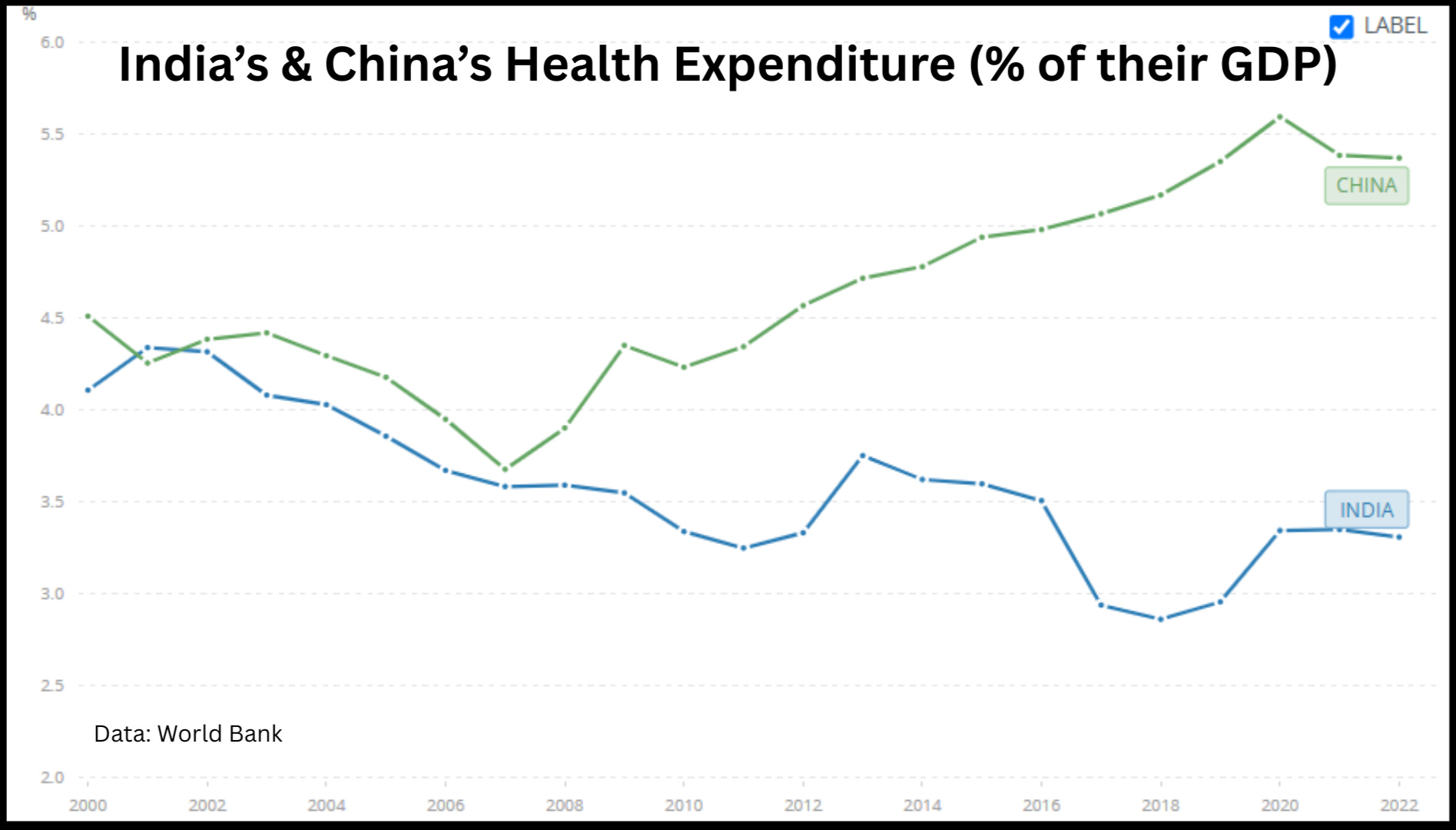
While government’s ambitious schemes like Ayushman Bharat aim to cover the bottom 40% of the population, but the middle 30–40% - roughly 400 million people - are left to fend for themselves. They earn just enough to be ineligible for subsidies but not nearly enough to afford private healthcare without stress. All these elements contribute to the fact that the total health spend as a % of GDP has been falling in last 2 decades and is just 3% of GDP incase of India which is one of the lowest among major economies - making our healthcare system chronically under-resourced.


While in many countries government does the heavy lifting of ensuring that healthcare is adequately funded but this hasn’t been a focus area for Indian government. Developing countries with relatively young population like Brazil & South Africa have this ratio at 9% of their GDP, with China about to reach 6%. Countries like Japan with an old population stand at ~12%. (Source)


Recently, I got to attend a 2-day conference in Mumbai where one of the panel discussions was on ‘India's Medical Devices Journey’. This market for advanced devices is still very small in India, and a small market forces us to import most of our requirements, as no manufacturer is willing to produce such sophisticated devices at a small scale just to cater to domestic demand. India imports most of its high-end and advanced diagnostic machines (like digital X-ray, CT scan, MRI) from companies like Siemens, GE Healthcare, Philips, etc.

During the Q&A session, I got a chance to discuss why this market remains so small despite India being the most populous country in the world - and we concluded that one of the key reasons for the poor demand for technologically advanced equipment is the low penetration of insurance in India. People simply can't opt for better treatment due to their limited ability to pay or restricted insurance coverage.

India has one of the lowest penetration of ‘health insurance’ in world. Our penetration level of just 0.4% of our GDP against 5.6% for USA in 2023.
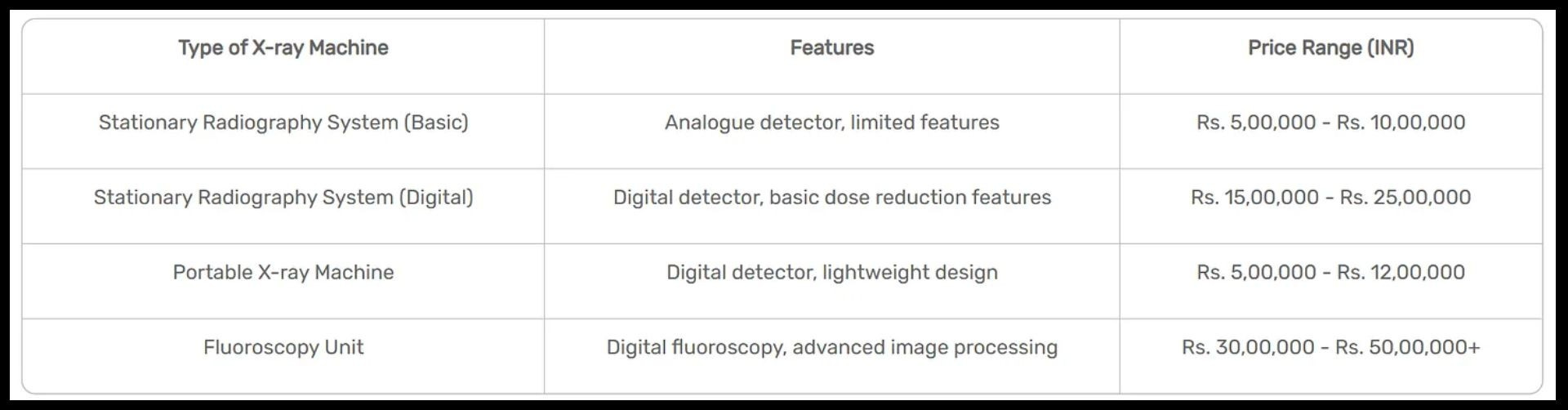
Let’s take the example of a ‘Basic’ X-ray, which might cost you ₹500 per test. On the other hand, using an advanced, accurate, and instant digital X-ray machine might cost you ₹1,500 - ₹2,000 per test. But since your affordability is low and you don’t have insurance coverage, you might end up opting for the former option, especially since you’ll need to do the test a couple of times during your treatment. This is where you indirectly promote the adoption of basic or obsolete machinery, and as a result, the market for high-end and advanced diagnostic machines continues to remain small. Here’s a price list of the best-selling X-ray machines in India, showing how drastically the prices and features vary:


When affordability is low, people often delay or avoid seeking medical help until absolutely necessary, leading to worse health outcomes. Instead of preventive care or early diagnosis, treatments happen at advanced stages, when complications are harder - and more expensive - to manage. Many middle-class families also opt for cheaper, lower-quality hospitals, unqualified practitioners, or cut corners on medicines and follow-up care, all of which directly compromise the quality of healthcare they receive. This creates a vicious cycle where poor affordability leads to poorer care, which then leads to even higher costs and deteriorating health.


Can better insurance penetration help?​

Immediately after the panel discussion ended, I struck up a conversation with a fellow attendee who shared her frustrating experience with insurance claims when her dad was recently hospitalized for a week. Despite her dad having insurance, she not only had to pay the full amount upfront in cash to the hospital, but also had to wait several months to receive the claim amount, which was only partially approved. To make matters worse, the insurance broker from whom her dad had purchased the policy was based in Goa at the time and provided very little assistance.

“An insurance company and a hospital have exactly opposite interests which causes the system to have a lack of trust. ”

- Yashish Dahiya, Co-Founder, PB Fintech
In India, around 4 crore people pay insurance premiums with the hope that they won’t face difficulties when they fall ill and visit hospitals. But the reality is far from smooth – customers often face significant challenges – sometimes even more than expected, as the fellow attendee mentioned earlier. High delays in claim settlement, an extensive pre- and post-hospitalization process, lack of communication and transparency, hidden costs, and poor grievance redressal all contribute to bad customer experiences. Hospitals benefit from inflating bills – while such claims result in losses for insurance companies.


When Families Shrink, Vulnerability Grows​


Back in 2008, only 37% of Indian households were nuclear, which has now risen to 50% in 2022, implying ~160 million households out of ~320 million households are now nuclear. Infact, as per Kantar’s Consumer Connections 2023 research, 3 out of 4 incremental households in India over the past 14 years are nuclear. Where our average family size used to be above 5 members as per 2001 Census, this has fallen to ~4.4 members in 2021.


Once, extended families stood like a fortress against life’s uncertainties. There was always a senior member in a large family who would step forward to support, or everyone would contribute towards the cause – just like an insurance policy. Today, as families shrink to just two or three earning members, that shield is gone. In a nuclear household, a single illness, a hospital bill, or a sudden job loss can shatter years of careful savings and stability. There are fewer shoulders to lean on, fewer hands to share the burden, and when crisis strikes, it hits harder and deeper. Vulnerability isn’t just a possibility – it’s the new reality for millions of middle-class families.


India is destined for the ‘Private’ path​


It took 80+ years for France & Sweden in doubling of its older population with over 60 years age from 7% to 14%, whereas it’s expected to happen in just 28 years in India. By 2061, every fourth Indian might be 60 or older. We are ageing must faster than the trajectory followed by the rest of the developed world. And unlike the West, India will be aging at a time when its per capita income will still be relatively low, making it harder for the healthcare system to support an older population.

While healthcare continues to be a low priority for the government, as reflected by the small percentage of GDP spent on it, even by the time India ages, government finances won’t be sufficient to support the elevated needs of its population.

Impact? India’s healthcare system will, in all likelihood, eventually become a privately-run, profit-driven system similar to that of the United States.

Always For Profit - U.S. Healthcare​

In the U.S., healthcare isn’t just about treating people - it’s big business. Unlike Europe which has state-funded universal healthcare, U.S. has a largely privatized healthcare system. Insurance companies make billions every year by collecting premiums and finding ways to pay out less in claims. Hospitals, especially the big private ones, charge eye-watering amounts for even basic procedures, and the prices are rarely clear upfront. Then there are the pharmaceutical companies, pricing life-saving drugs so high that even insured patients sometimes struggle to afford them. From diagnostics to surgeries, almost every part of the system is designed to maximize profits. At the end of the day, it’s not just about healthcare anymore - it’s about who can afford it.

Think of what that leads to?


The country ranks as the worst performer among 10 developed nations in critical areas of health care, including preventing deaths, access (mainly because of high cost) and guaranteeing quality treatment for everyone, regardless of gender, income or geographic location, as per the report by the Commonwealth Fund.


Second Order effect?​

In the European market, where governments run hospitals and often negotiate drug/device prices centrally, you’ll not often find big listed insurance or hospital chains. The listed healthcare space is primarily led by pharmaceutical giants such as Novo Nordisk, Roche, AstraZeneca, and companies like Siemens Healthineers and Essilor Luxottica in medical technology and devices – with a key focus on exports.

On the other hand, the USA has a privately owned, for-profit healthcare system, with multiple private players involved in each part of the value chain. Non-pharma companies like UnitedHealth Group, Elevance Health, Cigna Corporation, and HCA Healthcare are some of the biggest listed companies in the country. In fact, it was initially the hefty profits from their insurance business that helped Berkshire Hathaway build its "investment fund" over the years.

A Deep Dive on US Healthcare - by Richard Chu

What PB Health aims to solve in India?​

Till now, in this blog, we’ve discussed several instances that highlight how broken the Indian healthcare system is, which are:

  1. Low insurance penetration & financial implications: One hospital bill can wipe out all you career savings if you don’t have adequate insurance.
  2. Limited use of technology: India’s small market for advanced medical equipment disincentivizes innovation for better healthcare in the country, making us heavily import-dependent for most of our needs.
  3. Poor customer experience: Lack of trust between stakeholders (hospitals, insurance, and customers) creates friction, promotes scrutiny, and deteriorates customer satisfaction.
With family sizes shrinking and minimal focus on healthcare by the government, India is destined to follow the U.S. path — a for-profit system that ranks poorly on global parameters due to the existing gaps.

Now, the reason we were excited to write this blog is due to a first-of-its-kind experiment happening in our country. India’s largest insurance aggregator, PolicyBazaar’s parent company, recently incorporated PB Healthcare Services on January 1, 2025, and raised ₹2,000 crore from its parent and external investors to carry out healthcare and allied services in India.


“I can keep standing outside a large hospital for the next 10 years and never get access to build their tech and experience, I might as well do it rather than waiting outside the gate of the hospital.”


- Yashish Dahiya, Co-Founder, PB Fintech
An internet platform company entering the hospital/healthcare business is reason enough to send alarm bells ringing for its investor community. But those alarms don’t deter the ambitious Yashish, who knows exactly what he wants. While they start by owning a few hospitals to get the model in place, the goal isn’t to own hospitals but to have better control over all the touchpoints that a customer encounters once they’ve taken private health insurance.


India’s first​

This concept originated in the United States in the 1920s and later gained federal support with the signing of the HMO Act by President Richard Nixon in 1973, which encouraged the creation and expansion of HMOs by private players. It became popular in the 1990s as a way to control rising healthcare costs, and today, organizations like Kaiser Permanente operate on this model.

Think of an HMO as being part of a carefully managed club for your healthcare. You have a team of doctors and hospitals you can visit, but you need to stick to the club’s list - the "network." You also choose one main doctor, called a primary care physician, who becomes your go-to person for everything - regular checkups, advice, and even when you need to see a specialist. However, you can’t just walk into a specialist's office; your primary doctor needs to give you a referral first.

“A narrow network of hospitals would help create a full-stack model where the customer experience can be better controlled through vertical integration.”

- Yashish Dahiya, Co-Founder, PB Fintech
With this aim in mind, they plan to start their operations and open their first hospital by December 2025 in Delhi NCR. The first 4 to 8 hospitals will be self-owned, with future hospitals controlled through partnerships. While they will offer customers much less freedom of choice, here are three things they aim to solve:

  • Bring down the cost of insurance premiums paid by the customer and increase the penetration of health insurance in the country
  • Better and wider utilization of advanced technology at their controlled hospitals for treatment, leading to better and faster cures
  • Bridge the trust between insurance providers and hospitals, enhancing the customer experience
To accelerate implementation, they are onboarding global partners as co-owners of this project [Update - General Catalyst investment in PB health as biggest investor] who are equally bullish on Indian healthcare, though the quantum of benefit their flagship platform company, Policybazaar, will gain is still unknown.


To END: More than 2 years ago, we wrote how Policybazaar revolutionized how Indians buy insurance. Today we wrote on how they are aiming to revolutionize how healthcare is delivered in India. Excitement is much higher this time & we shall continue to track it closely in our future blogs.


@Rajdeep @cricketjoshila @Champ_Pal @JaDed @Devadwal @uppercut @Theanonymousone @straighttalk @Vikram1989 @RexRex @Varun @Romali_rotti @Bhaijaan


Do you agree that India health care system is broken
 

Health groups split on amending act to curb private hospital overcharging​


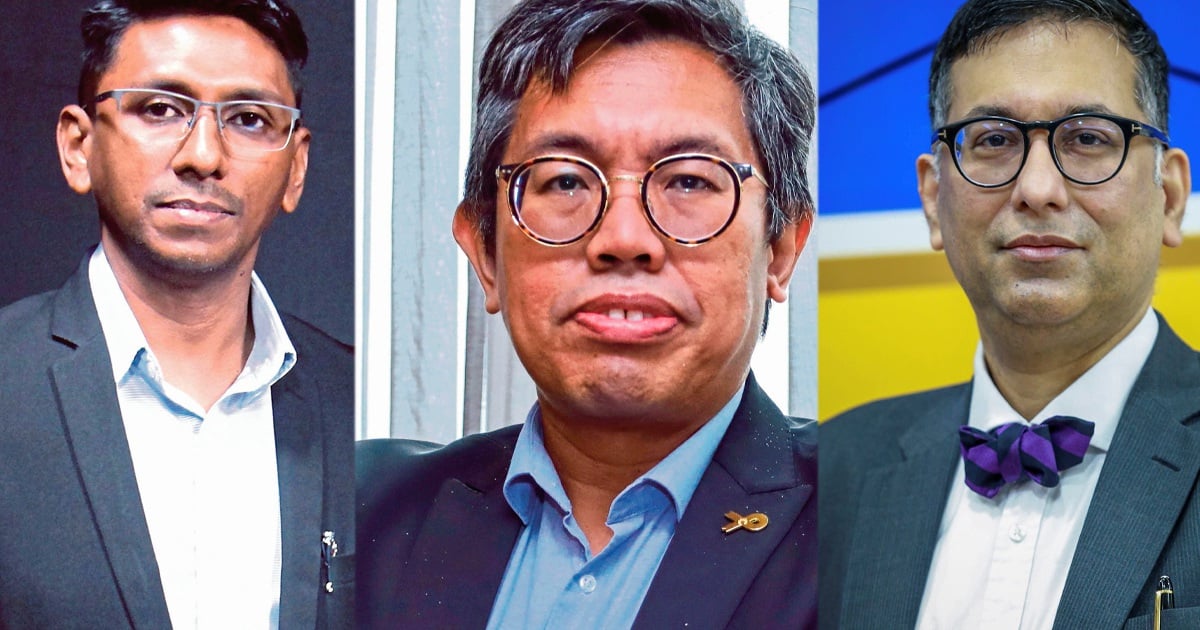
KUALA LUMPUR: Health groups are divided over the Health Ministry's proposal to amend the Private Healthcare Facilities and Services Act 1998 (PHFSA) to curb overcharging at private hospitals.

The Federation of Malaysian Consumers Associations (Fomca) strongly supports the move, saying the current law is no longer adequate to safeguard consumers.


Its chief executive, Dr T. Saravanan, said only doctors' professional fees were regulated, leaving room rates, consumables, diagnostics, equipment use and other ancillary costs to escalate sharply and inconsistently.

"For decades, the sector has grown with insufficient oversight," he said.

Saravanan said the ministry must introduce a framework that prioritised transparency and cost discipline.


"Mandatory itemised billing, prior cost disclosure, standardised fee schedules and a strengthened enforcement mechanism should be central to the revised act," he said.

Galen Centre for Health and Social Policy chief executive officer Azrul Mohd Khalib said regulating private medical charges was not unusual internationally, but many countries with such systems also operated national health insurance schemes to help spread costs and establish pricing frameworks.

He cautioned that regulating non-medical fees, which accounted for about 70 per cent of private hospital charges, could affect their sustainability.

Azrul said that the proposed review of the PHFSA appeared to diverge from the government's plan to introduce the Diagnosis-Related Group (DRG) payment model in the private sector.

The DRG model bundles charges based on case complexity, unlike the itemised billing required under the PHFSA.

"The need for itemised billing is why hospital bills can run into 30 pages. It also restricts hospitals from being flexible with their charges because every single item must be listed."

Azrul said the DRG model — as used in the United States, United Kingdom, Singapore and South Korea — provided hospitals with greater flexibility.

He added that it was vital for the Health Ministry to consult industry stakeholders before revising the act.

Association of Private Hospitals Malaysia (APHM) president Datuk Dr Kuljit Singh said the group supported evidence-based policies to address medical cost inflation.

"APHM, as part of the consultative committee of the Joint Ministerial Committee for Private Healthcare Costs, will continue contributing to the RESET initiative aimed at addressing private healthcare costs."

The RESET initiative focuses on overhauling medical and health insurance and takaful, improving price transparency, upgrading digital health systems and reforming healthcare provider payment systems.

Kuljit said APHM had requested to be included in discussions on the PHFSA amendments to ensure any changes were practical, effective and reflective of industry realities.


India has typicall a problem with overcharging in private hospitals
 

Harsh Mander: Why India’s doctors leave for foreign shores while Cuba’s serve their poorest​


India’s medical education system prepares a workforce that learns early to value personal profit over their patient’s well-being.

The medical profession in India – as in much of the world – today has lost its way.

From a vocation of care and service, it has widely transformed into a soulless vehicle for super- profits. The growing separation of the medical profession from ethical practice and the overwhelming sway instead of profiteering is indeed the greatest, most intractable crisis of medical education today.

Medical colleges teach medical knowledge, skills and sophisticated clinical technology and practice. But can they equally teach an ethical approach to medical practice, a commitment to equity and a resolve to serve those most in need of one’s services without considerations of money? Can medical colleges restore a profession inebriated with private gain and profit to its core mission of care especially of people who are most disadvantaged?

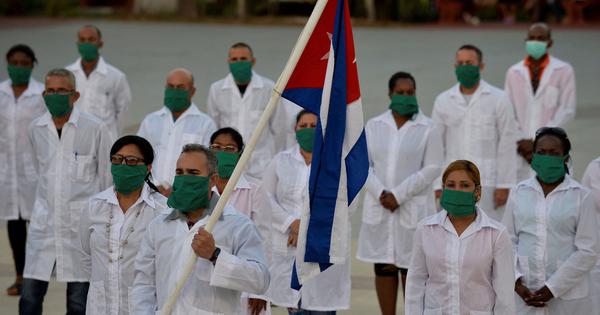
Searching for answers, I look at two widely contrasting pathways chosen by India and Cuba, both middle-income countries that have adopted vastly different models for medical education.

The case of India​

India has the largest numbers of medical colleges in the world. India also has one of the most privatised health care systems in the world.

The case of India illustrates best why training more health workers does not automatically bring the country closer to the goal of universal health care. It establishes emphatically that more trained health workers do not result necessarily in more doctors and nurses who serve in rural and forested regions and shanty towns.

As many as eight out of 10 trained physicians in India work for the private health sector, many in large corporate hospitals. This leaves just two out of ten trained physicians in India who choose to work in the public health sector. These too are mostly bunched in tertiary and super-tertiary hospitals in urban areas.

Even the small numbers in public hospitals do not guarantee greater health equity. Even doctors employed in public hospitals in India are notorious for running private practices on the side. Patients learn that they are more likely to be prescribed hospital beds and surgery in the public hospital if they first visit the same doctor’s private clinic and pay a few.

The ratio of just two out of 10 doctors in India who choose to work for the public health system is still a considerable over-statement if we consider the numbers of doctors who graduate in India. Among all low- and middle-income countries, India is the biggest source of trained physicians exported to the high-income countries.

Research shows that 4.9% of American physicians and 10.9% of British physicians are physicians trained in India. Studies indicate that many of these train in the leading public institutions of the country. Therefore, of all the doctors who graduate from Indian medical schools, even far less than two in 10 work in public health within India.

India’s most prestigious and top-ranked medical college is the super-tertiary All India Institute of Medical Sciences in Delhi, the national capital. From around 30,000 applicants, only 45 students (0.15%) are selected each year.

A dear friend teaches in this institute. He resigned from his comfortable position in the National Health Service in London to return to serve in the country of his birth. He loves his work and is greatly sought out by patients who travel from far corners of the country, drawn by his reputation. But when I asked him once how he likes his teaching responsibilities in the hospital, he replied dryly. “It’s okay,” he began laconically. “Except that even in their first year in the institute, only the bodies of my students are in the classroom. Their souls have already migrated to the US and the UK!”

That he was not exaggerating was confirmed by the findings of a significant study which revealed that 54% of AIIMS graduates during 1989-2000 now reside outside India. Students who qualified under the “general category” (meaning they were not in the affirmative-action category) were twice as likely to migrate abroad. Other studies also confirm similarly that elite medical schools contribute disproportionately to the ranks of emigrant physicians. Moreover, even within the elite schools, students with the highest academic achievement have the greatest likelihood of migrating.

This raises fundamental doubts not just about the quantum of medical education facilities available in low- and middle-income countries but also their quality. If high achievement is closely tied to a high likelihood of migrating to high-income countries, we need to ask what is considered high achievement in medical education? More so, when, for the overwhelming majority of those who do not migrate, the preferred career course is the private corporatised health sector.

The India story is a sombre reminder that the central challenge is therefore not of creating significantly larger numbers of health professionals trained in curative skills that are valued in the health sectors of high-income industrialised countries. If low- and middle-income countries expend limited public revenues to train health workers whose skills are valued in high-income countries, and these countries or the private health sector are the preferred sites of their vocation, these public revenues are contributing little to advancing the right to health care in their countries.

In the early decades of India’s freedom, the state vested significant public funds on establishing public medical colleges. These were attached to large tertiary care public hospitals. The clinical skills that students gathered must have been of sufficiently high-quality for the acceptance of Indian medical graduates in high-income countries in larger numbers than from any other country of the Global South. The students, through their internships and residencies, treated large numbers of lower-income patients who crowded the corridors of these public hospitals. Still, large numbers chose to leave the country, or cluster in urban centres, reluctant to serve the vast hinterland of the countryside and towns where more than half the population lived.

But neo-liberalism from the 1990s brought with it first the rapid decline of public health systems and growing reliance of rich and middle-class Indians on private corporate hospitals. We also have noted that after a large migration of graduates from the best-ranking medical schools, eight out of 10 doctors opted to work with the private health sector.

These winds of change transformed also the medical education sector. That India has more medical colleges than any other country in the world is not surprising because it is now the world’s most populous country. But India ranks very low in the number of doctors as a ratio of its population.

The difficulties of finding sufficient budgetary resources for financing health worker education led many governments, such as India, to turn to the private sector to open private medical and nursing schools. The advocates for this argue that privatisation not only provides necessary resources, but also flexibility and quality that can be complementary to public-sector training. International organisations advocate cautious integration of private resources within strong regulatory frameworks, prioritising public health needs. Health activists on the other hand typically oppose extensive privatisation due to equity concerns, advocating instead for strong public investment.

In a bid to fulfil the massive gaps in the health workforce, since the 1990s, the Indian government changed policy that resulted in transmuting medical education into a lucrative business. Businesspersons and politicians with no experience in running medical schools swarmed the country with money and connections to establish medical colleges. The result is that since the 1980s, the number of government colleges have doubled, while those run by the private sector rose 20 times. The number of medical schools rose steeply from 256 in 2006 to 479 in 2017. Of these, 259 are privately owned and managed. Around 48% of MBBS seats in India today are offered in private medical colleges.

Avinash Supe and Soumendra Sahoo in a significant essay titled “Malpractice in Medical Education” lament, “Medical education is now seen as a lucrative business linked to large profits. It has drifted away from its social mission.” These private medical colleges are founded and run by trusts established by powerful political and business interests. They “charge huge fees from aspiring students”.

In addition, many take large bribes to admit students. Regulation is wantonly weak. Regulatory bodies “have turned a blind eye to the deficiencies and subversions of the minimum standards laid down in several such institutions”. They do this because they are “passively caving in or actively succumbing to pecuniary temptations”.

The result of the high fees and bribes is that “for a middle-class student, it means the family having to mortgage their homes in order to fulfil their child’s ambition”. Supe and Sahoo observe that “earning money has become the major priority of a student graduating from medical college”. When such students start private practice, “they are tempted to over-investigate and over-treat their patients in order to earn back the money they spent in getting their medical degrees”.

Typically, hospitals run by private medical colleges offer a much smaller range of patients than those in public medical colleges. Further, examinations rely on rote-learning, diverting students even further away from patients and wards, which is where they should truly learn their vocation. The integrity of the exam system has also been disgracefully compromised.

In all of these ways, our assessment is harsh, but I believe it is not unfair that the medical education imparted by profit-seeking medical schools in India prepares a health workforce that learns early to value personal profit over their patient’s well-being. India’s is a morality tale of how to add large numbers to a country’s trained health care workforce while doing little to take health care to the doors of those who need it most.

The case of Cuba​

Cuba’s accomplishments in medical education would place Cuba at the other end of the spectrum from India. Perhaps more than any other country in the world, Cuba has accomplished significantly equity-driven medical education. It has paved innovative pathways to building a massive health workforce equipped with not just the skills, but also the dedication and values of public service. This skilled and devoted workforce has enabled Cuba to secure, despite being a middle-income country, health outcomes that are comparable or better than those of rich countries. Cuba’s health workers are reported to be the soul of Cuba’s accomplishment of extending free quality health care to the entire population.

Accounts of Cuba’s remarkable accomplishments in medical education reveal that its first feat is in numbers. Before the revolution in 1959, Cuba had a single medical school and 6,300 doctors. Half these doctors left the country. Today, Cuba has the highest doctor to population ratio in the world.

But its achievements are much more than its incredible accretion of numbers. Cuba’s greater triumph is that Cuban doctors are widely acknowledged to stand out among their peers around the world for their willingness, even eagerness, to live among and serve disadvantaged populations, within Cuba and the rest of the world. Although it was not compulsory, almost all graduates have volunteered to serve in rural areas.

What in Cuba’s medical education policies made these singular, accomplishments possible? One significant difference from medical education around the world was that the basis for selection of medical students for entry into medical school was altered to prioritise the mettle of character over of the mind. Academic qualifications were not the sole or paramount criteria for admission to medical schools. Selectors gave weight to their sense of vocation, responsibility and commitment to solidarity.

Next, the students, unlike in most medical schools, spend a much smaller time in tertiary hospitals. A lot of their training is decentralised to health institutions located in communities. This is linked to three major innovations in the Cuban health system. The first of these was to extend health services to rural areas and develop a nationwide primary health care network. Then in 1965, Cuba created a network of 498 “comprehensive” polyclinics that initially covered 45,000 persons each, and then in the 1970s, 25,000-30,000 persons. These combined primary care, specialist services, diagnostics and health education. The third institutional innovation from the 1980s was the Family Doctor Programme. Family Medicine Clinics with a doctor and a nurse each covered neighbourhoods of 120-150 families, with curative services but also health education, epidemiologic surveys, linkages with social institutions like homes for the elderly and teaching.

This called for a new medical curriculum to train doctors who would “understand, integrate, coordinate and administer the treatment of each patient’s health needs, as well as the community at large”. Students learned to understand patient needs “holistically rather than as fragmented ‘organ/systems’ diagnosed and treated by different hospital specialists”. In 2003, this coalesced into a new medical training model that shifted further from medical schools and teaching hospitals to community polyclinic and clinics as the central sites for teaching general medicine.

Students studied in diverse settings, ranging from traditional classrooms, doctors’ surgeries, primary health care centres, polyclinics and hospitals. Approximately 75%-80% of the teaching occurred in community primary care facilities with an accredited polyclinic as the central teaching unit. The curriculum was designed to integrate clinical practice with public health principles, equipping students with the skills to address diverse health care challenges. Interdisciplinary approaches, such as combining biomedical sciences with psychology and sociology, ensured that graduates were prepared for the complexities of modern health care delivery. The emphasis on active learning and community engagement also fostered a sense of responsibility among future doctors.


Cuba’s focus on primary care and health promotion, designed to prevent 90% of health problems, was central to its medical education. A student spoke to The Lancet about how inspired he was by the focus on preventive medicine and public health. “The doctors actually take time to educate the community,” he said, such as going to a patient’s home to show them how to cook with less salt, or demonstrating proper hand-washing to mitigate infectious diseases such as cholera.

Evaluations revealed that the clinical skills of these doctors were no way less than those more conventionally trained. But they had a much higher average level of public spiritedness and willingness to serve in difficult areas, not just in Cuba but around the world.

The remarkable success of the Cuban health system deeply rooted in neighbourhood communities is widely acknowledged even by outside observers. A visiting American team of pharmacy college staff, for instance, applauded Cuba’s universal health care delivery system. This, they said, “exemplified home health” in which “doctors and nurses live within the communities and open their doors to all-hour care for their neighbours”. The Cuban health staff “devote considerable human resources to providing care and doctors are basically embedded in the neighbourhoods. When something is wrong, they can react quickly. They have achieved a high quality of life for their patients for the most part, which wasn’t a surprise”. “They have much better access to physicians for primary care than we have” in the United States, a team member opined. This gives a sound foundation to the focus of Cuban medical education on equity and service.

The Cuban government maintains that the spirit of service and solidarity that Cuban medical education has fostered has benefited not only less advantaged populations within Cuba. From the 1960s onward, Cuba dispatched medical brigades to provide disaster relief and long-term health care support in underserved regions worldwide. Cuban doctors have reached underserved and disaster-hit populations in the poorest regions of the world and also offered medical training to students from other Latin American and African countries. Stirred by this singular spirit of humanitarianism, Cuba has sent 325,000 of its health workers to 158 countries in over five decades since the revolution. A total of 49,000 Cuban health care workers are working in 65 countries around the world.

This is often presented as glowing demonstrations of Cuba’s unparalleled international medical solidarity through its medical internationalism programmes. Time magazine, however, underlines that this is not all about altruism. “When you have a very well-educated population but also shortages of cash and goods, you want to find a way to monetize it,” a Cuba expert told them. Cuba’s “army of white coats” leased to foreign governments brings in remittances of around 11 billion dollars a year, making this a higher revenue earner for the country even than the tourism industry.

In 1998, Cuba started an international medical school offering free medical education to people from low-income communities from around the world. It has trained, with full scholarships, free room and board and some spending money, more than 26,000 students drawn from more than 123 countries. Several students are Latin American and from sub-Saharan Africa. Many return to work with disadvantaged communities in their countries.


A very interesting read
 

Cough syrup trafficking racket in UP had 700 fake firms generating billions of rupees, ED says​


A massive cough syrup racket involving over 700 fake firms busted by the Enforcement Directorate in a multi-state operation was found to be generating billions

The Enforcement Directorate raided more than 25 locations in UP, Gujarat, and Jharkhand over 40 hours, over a large illicit money laundering cough syrup racket.

Officials found that over 700 fake firms were set up in the name of 220 operators. The firms were found to be generating billions of rupees. In the Enforcement Case Information Report (ECIR), 67 people were named as accused in the case.

It was found to be the state’s largest codeine-based cough syrup diversion and trafficking racket.

Factories, warehouses, and residences linked to the accused were raided.

The firms existed only on paper, and many of their authorised individuals were also only found on documents.

ED sources said that more of the key links in the firms were being exposed, which will lead to more evidence.

The body is also moving to seize assets from the masterminds behind the racket, Subham Jaiswal, Alok singh, another man who is a close associate of a former MP, and Amit Tata managed to get away last year eve after the STF conducted an investigation.

ED sources said that large cash transactions were found in the bank accounts of Subham Jaiswal and the other two names. Subham’s father, Bhola Prasad Jaiswal, is also a person of interest in the case.

Some of the firms involved in the transactions were in Ranchi and Ahmedabad. In Uttar Pradesh, locations in Lucknow, Saharanpur, Varanasi, and Ghaziabad.

The ED’s ECIR enables the agency to summon suspects, freeze bank accounts, seize evidence, and attack properties acquired through illicit proceeds. The report was based on 24 FIRs registered over the past year by UP police, STF and FSDA across districts.

Subham Jaiswal, who is the alleged mastermind behind the racket, was issued a notice to appear before the ED on December 8. More summons are expected as the financial probe
 
Khyati hospital deaths, Gujrati high courtsgrants bail to cardiologist Prashant Vazirani:


Ahmedabad: Gujarat high court on Monday granted regular bail to cardiologist Prashant Vazirani who was arrested
after two patients died following angioplasty procedures at
Khyati Multispecialty Hospital last Nov. The doctor
and hospital management are accused of carrying out unnecessary procedures on patients to mint money from the Prime Minister Jan Aarogya Yojana (PM-JAY) scheme.

Vazirani was denied bail by the HC in May, and he approached the Supreme Court, which allowed him to file a successive bail application. Arguing for the cardiologist senior counsel J M Panchal and advocate Ajj Murjani submitted
that Vazirani was only a visiting cardiologist at Khyati Hospital and he did not even go to the camp
at Borisana village from where the patients were brought for treatment. They also submitted that there is a requirement to upload various test reports on the PM-JAY portal for approval of a procedure. Vazirani
being a visiting cardiologist, did not have any role in uploading the documents.


The bail application also contended that the prosecution alleged there was manipulation in forms filled during the camp. However, those accused of such manipulations have been granted bail. They asserted that there was a significant delay in the commencement of the trial in this case.

Moreover, considering the large number of witnesses in the chargesheet, the trial might not conclude in the near future.
The public prosecutor opposed Vazirani's bail plea by arguing that since his last bail plea was rejected, there was no change in circumstances. Meanwhile, several discharge applications filed by co-accused in this case are pending before the trial court, which is likely to give its verdict on them later this week.


Your thoughts fellow indians:

@Rajdeep @cricketjoshila @Champ_Pal @JaDed @Devadwal @uppercut @Theanonymousone @straighttalk @Vikram1989 @RexRex @Varun @Romali_rotti @Bhaijaan @Cover Drive Six
 

How reliant is the Indian pharma industry on China?​


finshots.in

How reliant is the Indian pharma industry on China?

A story about why the world’s pharmacy still needs China’s chemistry and what India can do to catch up.
finshots.in
finshots.in

In today’s Finshots, we tell you why the world’s pharmacy still needs China’s chemistry and what India can do to catch up.

India loves to call itself the pharmacy of the world. And that’s not without reason. We make and export generic drugs to over 200 countries. But beneath this success story lies an uncomfortable truth. That the pharmacy depends on another supplier for its raw materials. Yup, because India does make the pills, but it doesn’t make enough of the ingredients that make those pills work.

Those ingredients are called APIs, or Active Pharmaceutical Ingredients, which are the core chemicals that give a drug its therapeutic effect. And to make those APIs, you need something called Key Starting Materials (KSMs) which are the high-quality raw inputs used in the earliest stages of production. So think of APIs as the cake and KSMs as the flour and butter that go into baking it.

For many critical APIs or KSMs, our import dependence is 60–70% on China, and in some cases, that number is close to100%.

data-src-image-e6e4fe5d-5c64-4d6f-bfe5-1b27579cc9c4.png

Source: RIS | Discussion Paper 268
Now, this dependency wasn’t built overnight. It’s the result of decades of economic drift. Back in the 1980s, India produced most of its APIs domestically. But over time, environmental regulations, high energy costs, and the rise of cheaper Chinese imports made many plants simply unviable. So by the early 2000s, it was logically more profitable to focus on formulations or the so called ‘finished drugs’ than making the chemistry behind them. And that’s how Indian manufacturers quietly outsourced that part of the chain to China.

And honestly, for a while, no one noticed until the pandemic hit. When Chinese factories shut down, prices of common APIs like paracetamol and azithromycin spiked overnight. The supply chain froze, production slowed, and the world’s pharmacy discovered it didn’t control its own shelves.

Which brings up the question: what did we do, or are doing, to address this bottleneck?

Well, the government’s response has been to roll out a ₹7,000 crore Production Linked Incentive (PLI) scheme to rebuild domestic API capacity. And as a part of this, it approved building three Bulk Drug Parks in Gujarat, Andhra Pradesh, and Himachal Pradesh – and pushed companies to restart manufacturing of certain compounds or fermentation-based antibiotics. Take, for instance, Aurobindo Pharma. They recently commissioned a ₹2,400 crore plant to produce Penicillin G – an antibiotic used to treat a wide range of bacterial infections.

Similarly, several companies, such as Alkem Labs and Sun Pharma, have started producing clavulanic acid, the primary ingredient in Augmentin, another antibiotic.

In just the last 2 years, since the start of the PLI scheme, we’ve had close to ₹3,000 crore worth of investments from various companies to start producing APIs and KSMs.

But was this enough to cease the dependence on China?

Well, not really. And let me explain why.

China has been a leader in this segment for the last few decades. Which means that it has achieved economies of scale i.e. having the know-how to produce these items economically and at a large scale.

But how did China get to this scale, you ask?

By treating pharmaceuticals as a strategic industry as far back as the 1990s and into the 2000s. It offered cheap land, reliable utilities, low-interest loans, and export-linked tax incentives to drug manufacturers. And gradually, thousands of small and mid-sized API producers sprouted across provinces like Jiangsu, Zhejiang, and Shandong.

However, the real turning point came when China integrated environmental compliance into its supply chains. This was when many Western countries scaled back bulk drug production due to concerns about pollution, and China filled that gap by building dedicated chemical parks with centralized waste treatment. It also built an ecosystem where KSM producers, intermediate processors, and API manufacturers operated in close proximity, so logistics costs can be slashed drastically.

But China’s rise wasn’t just about policy. It was also about resources.

You see, many of the ingredients used in pharmaceutical chemistry rely on certain minerals and specialty chemicals. These elements are used in everything from catalysts in fermentation to the purification of compounds. They are essential for producing high-purity APIs on a large scale. And China holds a near-monopoly on that front. It controls roughly 60–70% of global rare earth mining and has a near-monopoly on its processing. This means that apart from having cheaper access to these materials, Chinese manufacturers also have an almost guaranteed access to processed specialty chemicals and minerals.

This kind of policy makes it very unstable to open a pharmaceutical manufacturing facility outside of China and to maintain continuous access to the raw ingredients needed to produce APIs at a competitive price.

Apart from policy and raw material, China has another advantage: labour. As per a World Bank study, if a typical Western API company has an average wage index of 100, this index is as low as 8 for a Chinese company and 10 for an Indian company. This means that if a Western company pays its workers ₹100 for a certain amount of work, a Chinese company would only pay about ₹8, and an Indian company would pay about ₹10 for the same job.

And lastly, there’s just one more advantage where China really takes the home run. And that is infrastructure. Since industrial clusters in China integrate chemicals, solvents, utilities, and waste treatment… the API plants can buy cheap steam, power, and intermediates next door. All while India’s units face higher input costs and patchy utilities despite progress in the new parks.

So, there you have it:

  1. Public policy,
  2. Rare earth minerals,
  3. Labour, and
  4. Infrastructure.
In a nutshell, these four factors are why China has built a thriving API manufacturing industry. You could say that they mastered the chemistry, the scale, and the economics that make the drug industry stick. India, meanwhile, mastered the branding and distribution that took it to the world.

We excel at finished medicine, but at the most energy and capital-intensive stages like fermentation and key intermediates, we ceded ground decades ago. And rebuilding that lost chain takes time. It needs reliability and scale, the kind that can’t be faked with pilot runs or short-term subsidies. And it needs trust. Because global buyers, especially in the US and EU, now demand stricter traceability, cleaner production, and consistent quality – all the things that can raise costs just as Chinese suppliers discount to defend their share.

Still, India has a shot worth fighting.

It doesn’t need to replace China entirely. But just reduce its vulnerability by delivering on low-cost utility drugs from the bulk-drug parks we spoke of above. Plus, if big formulations sign multi-year purchase deals, and if we double down on high-import-risk APIs like antibiotics and vitamins, we could build an ecosystem where chemistry becomes as much our strength as formulations once did.

Moreover, we can also prioritise fermentation and high-import-risk molecules under PLI, while encouraging domestic intermediates to cut Chinese feedstock dependence. And lastly, enforce quality and build traceability to win premium buyers.

Done well, these can help de-risk the chokepoints that we face today and anchor a resilient base that lets ‘the world’s pharmacy’ stand on more of its own raw materials. And maybe that’s the real test for India’s chemical and pharma future. What do you think?


fellow indians, do you lot think you will catch up to China, regarding Api's?

@Rajdeep @cricketjoshila @Champ_Pal @JaDed @Devadwal @uppercut @Theanonymousone @straighttalk @Vikram1989 @RexRex @Varun @Romali_rotti @Bhaijaan @Cover Drive Six
 

How reliant is the Indian pharma industry on China?​


finshots.in

How reliant is the Indian pharma industry on China?

A story about why the world’s pharmacy still needs China’s chemistry and what India can do to catch up.
finshots.in
finshots.in

In today’s Finshots, we tell you why the world’s pharmacy still needs China’s chemistry and what India can do to catch up.

India loves to call itself the pharmacy of the world. And that’s not without reason. We make and export generic drugs to over 200 countries. But beneath this success story lies an uncomfortable truth. That the pharmacy depends on another supplier for its raw materials. Yup, because India does make the pills, but it doesn’t make enough of the ingredients that make those pills work.

Those ingredients are called APIs, or Active Pharmaceutical Ingredients, which are the core chemicals that give a drug its therapeutic effect. And to make those APIs, you need something called Key Starting Materials (KSMs) which are the high-quality raw inputs used in the earliest stages of production. So think of APIs as the cake and KSMs as the flour and butter that go into baking it.

For many critical APIs or KSMs, our import dependence is 60–70% on China, and in some cases, that number is close to100%.

data-src-image-e6e4fe5d-5c64-4d6f-bfe5-1b27579cc9c4.png

Source: RIS | Discussion Paper 268
Now, this dependency wasn’t built overnight. It’s the result of decades of economic drift. Back in the 1980s, India produced most of its APIs domestically. But over time, environmental regulations, high energy costs, and the rise of cheaper Chinese imports made many plants simply unviable. So by the early 2000s, it was logically more profitable to focus on formulations or the so called ‘finished drugs’ than making the chemistry behind them. And that’s how Indian manufacturers quietly outsourced that part of the chain to China.

And honestly, for a while, no one noticed until the pandemic hit. When Chinese factories shut down, prices of common APIs like paracetamol and azithromycin spiked overnight. The supply chain froze, production slowed, and the world’s pharmacy discovered it didn’t control its own shelves.

Which brings up the question: what did we do, or are doing, to address this bottleneck?

Well, the government’s response has been to roll out a ₹7,000 crore Production Linked Incentive (PLI) scheme to rebuild domestic API capacity. And as a part of this, it approved building three Bulk Drug Parks in Gujarat, Andhra Pradesh, and Himachal Pradesh – and pushed companies to restart manufacturing of certain compounds or fermentation-based antibiotics. Take, for instance, Aurobindo Pharma. They recently commissioned a ₹2,400 crore plant to produce Penicillin G – an antibiotic used to treat a wide range of bacterial infections.

Similarly, several companies, such as Alkem Labs and Sun Pharma, have started producing clavulanic acid, the primary ingredient in Augmentin, another antibiotic.

In just the last 2 years, since the start of the PLI scheme, we’ve had close to ₹3,000 crore worth of investments from various companies to start producing APIs and KSMs.

But was this enough to cease the dependence on China?

Well, not really. And let me explain why.

China has been a leader in this segment for the last few decades. Which means that it has achieved economies of scale i.e. having the know-how to produce these items economically and at a large scale.

But how did China get to this scale, you ask?

By treating pharmaceuticals as a strategic industry as far back as the 1990s and into the 2000s. It offered cheap land, reliable utilities, low-interest loans, and export-linked tax incentives to drug manufacturers. And gradually, thousands of small and mid-sized API producers sprouted across provinces like Jiangsu, Zhejiang, and Shandong.

However, the real turning point came when China integrated environmental compliance into its supply chains. This was when many Western countries scaled back bulk drug production due to concerns about pollution, and China filled that gap by building dedicated chemical parks with centralized waste treatment. It also built an ecosystem where KSM producers, intermediate processors, and API manufacturers operated in close proximity, so logistics costs can be slashed drastically.

But China’s rise wasn’t just about policy. It was also about resources.

You see, many of the ingredients used in pharmaceutical chemistry rely on certain minerals and specialty chemicals. These elements are used in everything from catalysts in fermentation to the purification of compounds. They are essential for producing high-purity APIs on a large scale. And China holds a near-monopoly on that front. It controls roughly 60–70% of global rare earth mining and has a near-monopoly on its processing. This means that apart from having cheaper access to these materials, Chinese manufacturers also have an almost guaranteed access to processed specialty chemicals and minerals.

This kind of policy makes it very unstable to open a pharmaceutical manufacturing facility outside of China and to maintain continuous access to the raw ingredients needed to produce APIs at a competitive price.

Apart from policy and raw material, China has another advantage: labour. As per a World Bank study, if a typical Western API company has an average wage index of 100, this index is as low as 8 for a Chinese company and 10 for an Indian company. This means that if a Western company pays its workers ₹100 for a certain amount of work, a Chinese company would only pay about ₹8, and an Indian company would pay about ₹10 for the same job.

And lastly, there’s just one more advantage where China really takes the home run. And that is infrastructure. Since industrial clusters in China integrate chemicals, solvents, utilities, and waste treatment… the API plants can buy cheap steam, power, and intermediates next door. All while India’s units face higher input costs and patchy utilities despite progress in the new parks.

So, there you have it:

  1. Public policy,
  2. Rare earth minerals,
  3. Labour, and
  4. Infrastructure.
In a nutshell, these four factors are why China has built a thriving API manufacturing industry. You could say that they mastered the chemistry, the scale, and the economics that make the drug industry stick. India, meanwhile, mastered the branding and distribution that took it to the world.

We excel at finished medicine, but at the most energy and capital-intensive stages like fermentation and key intermediates, we ceded ground decades ago. And rebuilding that lost chain takes time. It needs reliability and scale, the kind that can’t be faked with pilot runs or short-term subsidies. And it needs trust. Because global buyers, especially in the US and EU, now demand stricter traceability, cleaner production, and consistent quality – all the things that can raise costs just as Chinese suppliers discount to defend their share.

Still, India has a shot worth fighting.

It doesn’t need to replace China entirely. But just reduce its vulnerability by delivering on low-cost utility drugs from the bulk-drug parks we spoke of above. Plus, if big formulations sign multi-year purchase deals, and if we double down on high-import-risk APIs like antibiotics and vitamins, we could build an ecosystem where chemistry becomes as much our strength as formulations once did.

Moreover, we can also prioritise fermentation and high-import-risk molecules under PLI, while encouraging domestic intermediates to cut Chinese feedstock dependence. And lastly, enforce quality and build traceability to win premium buyers.

Done well, these can help de-risk the chokepoints that we face today and anchor a resilient base that lets ‘the world’s pharmacy’ stand on more of its own raw materials. And maybe that’s the real test for India’s chemical and pharma future. What do you think?


fellow indians, do you lot think you will catch up to China, regarding Api's?

@Rajdeep @cricketjoshila @Champ_Pal @JaDed @Devadwal @uppercut @Theanonymousone @straighttalk @Vikram1989 @RexRex @Varun @Romali_rotti @Bhaijaan @Cover Drive Six

I checked this yesterday.

Indian imports from China are 8-9 times higher than Chinese imports from India. India is heavily reliant on China.

India should gift Arunachal Pradesh to China as a gift for all the favors China do for India. :inti
 

Remove All Your Clothes': Hospital Worker Accused of Assaulting Woman During Check-Up in UP​


A staff member at a government women’s hospital in Uttar Pradesh's Gorakhpur has been accused of sexually assaulting a woman during an ultrasound procedure.


A staff member at a government-run women’s hospital in Gorakhpur has been booked for allegedly sexually assaulting a woman under the pretext of conducting an ultrasound test, reports PTI.
The woman, a resident of the Gulriha area, had visited the district women’s hospital on Thursday morning for an ultrasound. According to her complaint, she was sent to a room where ultrasounds were being conducted by staffer Abhimanyu Gupta.

When her turn came, the accused allegedly looked at her inappropriately and told her to remove all her clothes, claiming it was required for the test and that “a massage would also be necessary.” The woman told police that once she complied, Gupta made obscene advances and attempted to force himself on her

She alleged that when she screamed, Gupta gagged her, verbally abused her and threatened to kill her before pushing her out of the room.

The woman said her attempts to lodge a complaint within the hospital were ignored, prompting her to approach the police directly.
Following the complaint, the hospital administration formed a three-member committee to investigate the allegations, officials said.
Senior consultant (paediatrics) Dr. Jay Kumar said that the matter was being probed.
“The woman has levelled serious allegations against a staff member. Senior officials have been informed, and a departmental inquiry is underway. Strict action will be taken if the charges are proved,” he said.
Kotwali Station House Officer Chatrapal Singh said a case has been registered and efforts are underway to arrest the accused.


Indian hospitals terrifies me - anything can happen to you

@Rajdeep @cricketjoshila @Champ_Pal @JaDed @Devadwal @uppercut @Theanonymousone @straighttalk @Vikram1989 @RexRex @Varun @Romali_rotti @Bhaijaan @Cover Drive Six
 

Delhi Police Crime Branch Busts Fake Medicine Racket in Delhi-NCR, Drugs Worth Rs 2.3 Crore Seized​


The Delhi Police Cyber Cell busted an illegal fake medicine manufacturing unit, recovering counterfeit drugs worth ₹2.3 crore. Two suspects were arrested, with further investigations ongoing. Raids in Delhi and Ghaziabad uncovered dangerous fake medicines, leading to an FIR under the Drugs Act.

New Delhi: The Cyber Cell of the Delhi Police Crime Branch has busted an illegal fake medicine manufacturing unit, exposing a major racket involved in producing and selling counterfeit drugs through online platforms and social media.
According to police, fake medicines, raw materials and machinery valued at around ₹2.3 crore were recovered during the operation. Officials said the racket posed a serious risk to public health as the counterfeit medicines were being sold as genuine products.
Two accused - identified as Gaurav Bhagat and Shriram alias Vishal Gupta - have been arrested in the case. Both are currently being interrogated to trace the wider network involved in the operation.

DCP Crime Branch Aditya Gautam said the action was taken based on specific inputs and technical surveillance. Police first conducted a raid in Sadar Bazaar, Delhi, followed by another operation in the Loni area of Ghaziabad.

During the raids, a large quantity of fake Schedule-H medicines, including Betnovate-C and Clop-G, were recovered. These medicines are commonly used for treating skin conditions and allergies, making their counterfeiting particularly dangerous, police said.
Further investigation led to the detection of an illegal factory operating in Loni, Ghaziabad. From the site, police seized thousands of tubes of counterfeit ointments, packaging material, empty tubes, raw chemicals, and various machines used for manufacturing and packing medicines. Officials said the accused were operating the unit without any valid licence.

Drug inspectors and representatives from the concerned pharmaceutical companies later examined the seized items and confirmed that all the recovered medicines were completely counterfeit and had no link to the original manufacturers.
An FIR has been registered under relevant sections of the Drugs and Cosmetics Act and the Bharatiya Nyaya Sanhita (BNS). Police said further raids will be conducted to dismantle the entire supply chain linked to the fake medicine network.


And another case in INDIA, fellow indians what protocols can you think off to stop this happening again:

@Rajdeep @cricketjoshila @Champ_Pal @JaDed @Devadwal @uppercut @Theanonymousone @straighttalk @Vikram1989 @RexRex @Varun @Romali_rotti @Bhaijaan @Cover Drive Six
 

Delhi Police Crime Branch Busts Fake Medicine Racket in Delhi-NCR, Drugs Worth Rs 2.3 Crore Seized​


The Delhi Police Cyber Cell busted an illegal fake medicine manufacturing unit, recovering counterfeit drugs worth ₹2.3 crore. Two suspects were arrested, with further investigations ongoing. Raids in Delhi and Ghaziabad uncovered dangerous fake medicines, leading to an FIR under the Drugs Act.

New Delhi: The Cyber Cell of the Delhi Police Crime Branch has busted an illegal fake medicine manufacturing unit, exposing a major racket involved in producing and selling counterfeit drugs through online platforms and social media.
According to police, fake medicines, raw materials and machinery valued at around ₹2.3 crore were recovered during the operation. Officials said the racket posed a serious risk to public health as the counterfeit medicines were being sold as genuine products.
Two accused - identified as Gaurav Bhagat and Shriram alias Vishal Gupta - have been arrested in the case. Both are currently being interrogated to trace the wider network involved in the operation.

DCP Crime Branch Aditya Gautam said the action was taken based on specific inputs and technical surveillance. Police first conducted a raid in Sadar Bazaar, Delhi, followed by another operation in the Loni area of Ghaziabad.

During the raids, a large quantity of fake Schedule-H medicines, including Betnovate-C and Clop-G, were recovered. These medicines are commonly used for treating skin conditions and allergies, making their counterfeiting particularly dangerous, police said.
Further investigation led to the detection of an illegal factory operating in Loni, Ghaziabad. From the site, police seized thousands of tubes of counterfeit ointments, packaging material, empty tubes, raw chemicals, and various machines used for manufacturing and packing medicines. Officials said the accused were operating the unit without any valid licence.

Drug inspectors and representatives from the concerned pharmaceutical companies later examined the seized items and confirmed that all the recovered medicines were completely counterfeit and had no link to the original manufacturers.
An FIR has been registered under relevant sections of the Drugs and Cosmetics Act and the Bharatiya Nyaya Sanhita (BNS). Police said further raids will be conducted to dismantle the entire supply chain linked to the fake medicine network.


And another case in INDIA, fellow indians what protocols can you think off to stop this happening again:

@Rajdeep @cricketjoshila @Champ_Pal @JaDed @Devadwal @uppercut @Theanonymousone @straighttalk @Vikram1989 @RexRex @Varun @Romali_rotti @Bhaijaan @Cover Drive Six

Is there anything in India that is not fake? :inti

Quite astonishing.
 

Bengaluru Woman, Ailing Husband Denied Medical Aid, Met with Accident; CCTV Shows Wife Begging for Help​


A Bengaluru woman desperately sought medical help for her ailing husband after hospitals allegedly denied treatment; hours later, he died in a road accident, with CCTV showing her begging passers-by.​


Bengaluru: In a heart-wrenching case that has raised questions about access to emergency medical care, a woman in Bengaluru was seen running across the city with her ailing husband in search of basic treatment. The 34-year-old mechanic from south Bengaluru complained of chest pain but died after multiple hospitals allegedly denied him treatment. Despite the tragedy, the family later decided to donate the deceased’s eyes. The incident came to light after CCTV footage showing the woman begging for help with folded hands went viral on social media.
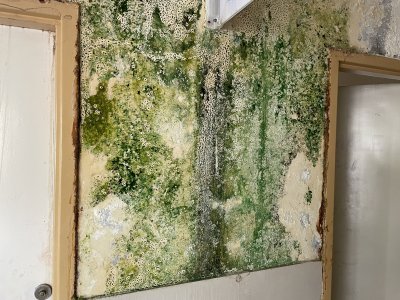
Venkataramanan, a resident of Balaji Nagar, developed severe chest pain. With no immediate assistance available, his wife took him on a motorcycle in search of medical care, media reports said. They first approached a private hospital but were turned away. At another hospital, doctors conducted an ECG and confirmed a mild heart attack. However, emergency treatment was not initiated, nor was an ambulance arranged, according to The Times of India.

Panicked and distressed, the woman again placed her husband on the motorcycle to seek further treatment. On the way, the couple met with an accident. CCTV footage captured the woman pleading with passersby for help as her injured husband lay on the road.

The video was shared on X (formerly Twitter) by a social media account named Karnataka Portfolio, which has around 17,000 followers.


(No Ambulance, No Help, No Humanity: A Death That Questions BengaluruIn a deeply disturbing incident, Bengaluru witnessed a tragic collapse of both emergency care and basic human compassion. Venkataramanan, a 34-year-old mechanic from South Bengaluru, suffered severe chest pain around 3.30 am. With no immediate help available, his wife took him on a motorcycle in search of treatment.They were allegedly turned away by one private hospital due to the absence of a doctor. Another hospital confirmed a mild heart attack through an ECG but neither initiated emergency treatment nor arranged an ambulance, instead directing them to Jayadeva Hospital. Forced to travel again on the bike, the couple met with an accident on the way.What followed was heartbreaking. CCTV footage shows the wife begging passing vehicles with folded hands as her husband lay on the road in pain. Cars and two-wheelers passed by without stopping. Several minutes later, a cab driver finally helped rush him to a hospital, but he was declared dead on arrival.Venkataramanan leaves behind a five-year-old son, an 18-month-old daughter, and a mother who has now lost her last surviving child. Even in tragedy, the family showed humanity by donating his eyes.This incident raises painful questions about indifference, accountability, and the loss of empathy. A city that moves on while a man dies on the road must pause and ask itself when did we stop being human?)

Several vehicles passed without stopping before a cab driver finally intervened and rushed them to a hospital. Doctors, however, declared Venkataramanan dead on arrival.
He is survived by his five-year-old son, his 18-month-old daughter, and his mother, who had already lost five other children. In an act of generosity amid grief, the family donated his eyes, reports said.


Really feel sorry for the wife, how can you deny the husband medical aid???, this is why i dont trust your doctors, not like thr all rubbush, but you have a massive problem, due to how poor they are and corrupt your whole health care system is,


@Rajdeep @cricketjoshila @Champ_Pal @JaDed @Devadwal @uppercut @Theanonymousone @straighttalk @Vikram1989 @RexRex @Varun @Romali_rotti @Bhaijaan @Cover Drive Six @rickroll
 
Back
Top