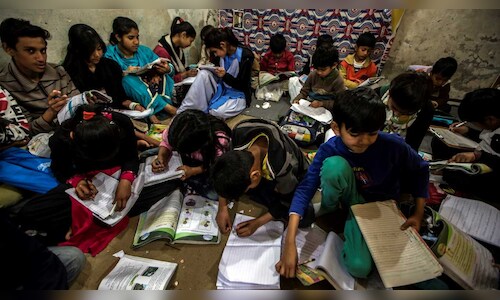
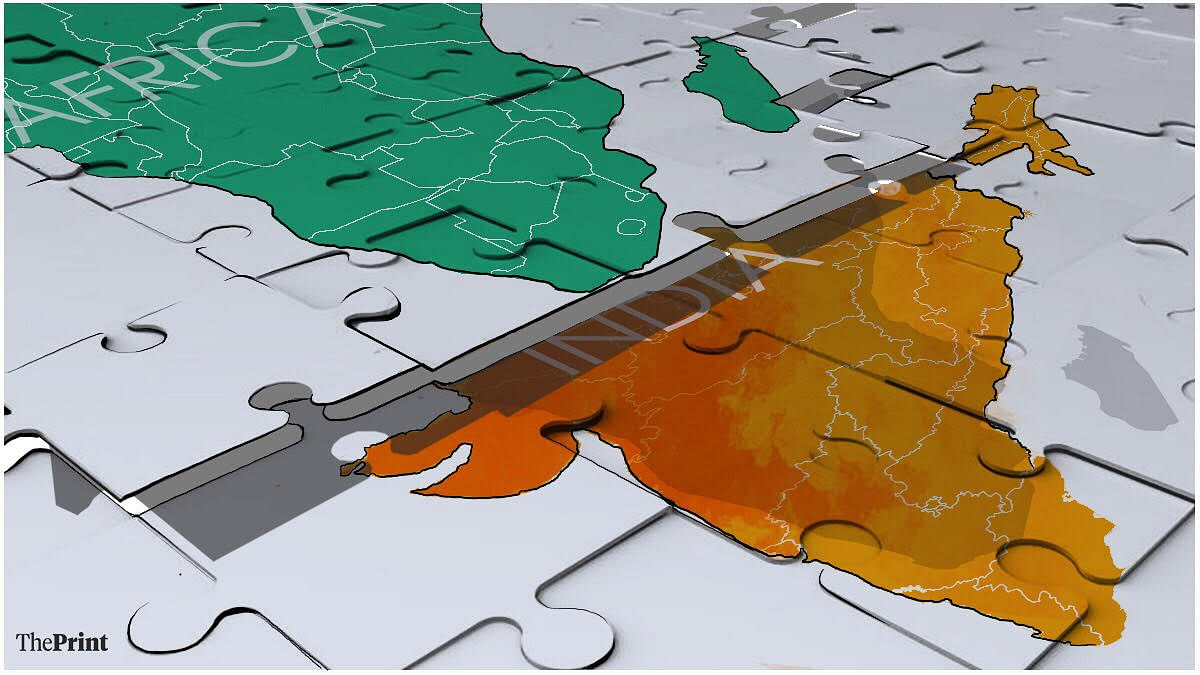
Eight Indian states account for more poor people than in the 26 poorest African countries combined, a new measure of global poverty finds.

www.bbc.com
A news paper report from 2010, that was 14 years ago btw, looks like Maths isnt your strongest suit.
The World Bank has revealed that poverty in Pakistan surged to 39.4 percent during the last fiscal year, with an additional 12.5 million people slipping into poverty due to poor economic conditions. The international financial institution has urged Pakistan, facing financial challenges, to take urgent steps to achieve fiscal stability.
The Washington-based lender released draft policy documents on Friday, in collaboration with stakeholders, intended for Pakistan's next government in anticipation of the upcoming election cycle, as reported by The Express Tribune newspaper.
According to the World Bank, poverty in Pakistan escalated from 34.2 percent to 39.4 percent within a single year, causing 12.5 million more individuals to fall below the poverty line, which is set at a daily income of $3.65. The report indicates that approximately 95 million Pakistanis now live in poverty.
Tobias Haque, the World Bank’s lead country economist for Pakistan, commented, "Pakistan’s economic model is no longer reducing poverty, and living standards have fallen behind peer countries."
The World Bank has urged Pakistan to promptly address its fiscal issues by imposing taxes on key sectors such as agriculture and real estate while trimming unnecessary expenditures. This effort aims to achieve economic stability through a substantial fiscal adjustment of over 7 percent of the economy.
Citing the consistent rise in poverty levels, the World Bank identified areas in need of reform for the incoming government, including low human development, an unsustainable fiscal situation, excessive regulation of the private sector, and challenges in the agriculture and energy sectors.
The proposed measures include an immediate 5 percent increase in the tax-to-GDP ratio and a reduction in expenditures by approximately 2.7 percent of GDP, with the goal of restoring the unsustainable economy to a more prudent fiscal path.
The World Bank's recommendations for bolstering government revenues include a range of measures, such as withdrawing tax exemptions and increasing the tax burden on the real estate and agriculture sectors. The World Bank expressed deep concern about Pakistan's current economic situation and called for significant policy changes.
The World Bank noted that Pakistan has the potential to collect taxes equivalent to 22 percent of GDP, but the current ratio stands at only 10.2 percent, indicating a significant shortfall. To address this, the lender proposed reducing distortive exemptions to generate taxes equal to 2 percent of GDP, increasing taxes on land and property to collect an additional 2 percent of GDP, and generating another 1 percent of GDP from the agriculture sector.
Furthermore, the World Bank suggested the mandatory use of Computerised National Identity Cards (CNICs) for transactions, especially those involving assets. It also recommended reducing energy and commodity subsidies, implementing a single treasury account, and temporarily implementing austerity measures to save approximately 1 percent of GDP in expenditures.
In 2022, the government had deposits exceeding Rs 2 trillion in commercial banks, and due to sovereign borrowings rather than utilising these idle funds, it incurred an interest payment of Rs 424 billion, according to the World Bank.
For the medium term, the World Bank advised reducing federal development and current expenditures on provincial projects, cutting spending on loss-making entities, and enhancing the quality of development spending to save about Rs 1.4 trillion. The cumulative impact of these short- to medium-term savings would amount to 2.7 percent of GDP.
The World Bank highlighted Pakistan's heavy subsidisation of the agriculture sector, resulting in low productivity. It suggested potential savings of Rs 328 billion by discontinuing ministries within the provincial domain. Additionally, it proposed saving Rs 70 billion by devolving the Higher Education Commission to the provinces and another Rs 217 billion through cost-sharing of the Benazir Income Support Programme (BISP) with the provinces.
This situation arises as inflation surged to 27.4 percent in August following Pakistan's receipt of $1.2 billion from the Washington-based International Monetary Fund in July, part of a $3 billion bailout program spanning nine months aimed at stabilising the country's struggling economy.
The World Bank has reported that poverty in Pakistan has risen to 39.4 percent during the last fiscal year, with 12.5 million more people falling below the poverty line due to economic challenges.

www.cnbctv18.com