



What's new

India's drug problem

finalfantasy7

T20I Debutant
Joined
Jan 19, 2011
Runs
7,767
I've read many reports on india drug problem, i was kind of shocked to see how open drug use is, even with children, i do undertsand these issues occur in poverty and then the higher class.

But i'm staggered to understand why the indian government again, doesn't crack down harder on these criminals and also doesn't it go against hinduism, as they medidate and i thought high stimulantes are a no for this reason.


Children Picking Up Drugs, Smoking In 10 Indian Cities Around 13 Years: Study​


School-going children are picking up drug and smoking habits and engaging in consumption of alcohol, with the average age of introduction to such harmful substances found to be around 13 years, a multi-city survey by AIIMS-Delhi said.

New Delhi:
School-going children are picking up drug and smoking habits and engaging in consumption of alcohol, with the average age of introduction to such harmful substances found to be around 13 years, suggesting a need for earlier interventions as early as primary school, a multi-city survey by AIIMS-Delhi said.

The findings also showed substance use increased in higher grades, with grade XI/XII students two times more likely to report use of substances when compared with grade VIII students. This emphasised the importance of continued prevention and intervention through middle and high school.

The study led by Dr Anju Dhawan of AIIMS's National Drug Dependence Treatment Centre, published in the National Medical Journal of India this month, looks at adolescent substance use across diverse regions.

The survey included 5,920 students from classes 8, 9, 11 and 12 in urban government, private and rural schools across 10 cities -- Bengaluru, Chandigarh, Delhi, Dibrugarh, Hyderabad, Imphal, Jammu, Lucknow, Mumbai, and Ranchi. The data were collected between May 2018 and June 2019.

The average age of initiation for any substance was 12.9 (2.8) years. It was lowest for inhalants (11.3 years) followed by heroin (12.3 years) and opioid pharmaceuticals (without prescription; 12.5 years).

Overall, 15.1 per cent of participants reported lifetime use, 10.3 per cent reported past year use, and 7.2 per cent reported use in the past month of any substance, the study found.

The most common substances used in the past year, after tobacco (4 per cent) and alcohol (3.8 per cent), were opioids (2.8 per cent), followed by cannabis (2 per cent) and inhalants (1.9 per cent). Use of non-prescribed pharmaceutical opioids was most common among opioid users (90.2 per cent).

On being asked, 'Do you think this substance is easily available for a person of your age' separately for each substance category, nearly half the students (46.3 per cent) endorsed that tobacco products and more than one-third of the students (36.5 per cent) agreed that a person of their age can easily procure alcohol products.

Similarly, for Bhang (21.9 per cent), ganja/charas (16.1 per cent), inhalants (15.2 per cent), sedatives (13.7 per cent), opium and heroin (10 per cent each), the students endorsed that these can be easily procured.

About 95 per cent of the children, irrespective of their grade, agreed with the statement that 'drug use is harmful'.

The rates of substance use (any) among boys were significantly higher than those of girls for substance use (ever), use in the past year and use in the past 30 days. Compared to grade VIII students, grade IX students were more likely, and grade XI/XII students were twice as likely to have used any substance (ever).

The likelihood of past-year use of any substance was also higher for grade IX students and for grade XI/XII students as compared to grade VIII students.

About 40 per cent of students mentioned that they had a family member who used tobacco or alcohol each. The use of cannabis (any product) and opioid (any product) by a family member was reported by 8.2 per cent and 3.9 per cent of students, respectively, while the use of other substances, such as inhalants/sedatives by family was 2-3 per cent, the study found.

A relatively smaller percentage of students reported use of tobacco or alcohol among peers as compared to among family members, while a higher percentage reported inhalants, sedatives, cannabis or opioid use among peers.

Children using substances (past year) compared to non-users reported significantly higher any substance use by their family members and peers.

There were 25.7 per cent students who replied 'yes' to the question 'conflicts/fights often occur in your family'. Most students also replied affirmatively to 'family members are aware of how their time is being spent' and 'damily members are aware of with whom they spend their time'.


Indian pp's how frequest do you see drug use among any age groups in India, is it decreasing or increasing (to me, from what i've read, seems like its increasing, due to the younger generation copying american culture)


@Rajdeep @cricketjoshila @Champ_Pal @JaDed @Devadwal @uppercut @Theanonymousone @straighttalk @Vikram1989 @Varun @Romali_rotti @Bhaijaan @Cover Drive Six @rickroll @rpant_gabba, @Romali_rotti @kron @globetrotter @Hitman @jnaveen1980


#FreeMinoritiesOfIndiaFromHindus

#SaveAllIndianMinorities

#FreeIndiaFromHinduExtremism

#SanctionIndia
 

Family Man, Farzi co-actor arrested in drugs trafficking case by UP cops​


The Uttar Pradesh Anti-Narcotics Task Force has arrested supporting actor Man Singh, who appeared in web series such as Farzi and The Family Man, in an MDMA trafficking case.


The Uttar Pradesh Anti-Narcotics Task Force (UP ANTF) has arrested a supporting actor who worked in web series such as Farzi and The Family Man in connection with an MDMA trafficking case.

The UP ANTF Agra unit arrested the accused, identified as Man Singh, from Mumbai. Officials said he had acted as a supporting artiste in several films and web series and allegedly used his association with the film industry as a cover to traffic narcotics.

According to the ANTF, Man Singh, a resident of Rajouri Garden in Delhi, was absconding in a case related to the trafficking of the banned narcotic substance MDMA. The agency said its teams had been searching for him for a long time before tracing him to Mumbai.

Officials said the accused was living at Marina Enclave Building in Malvani, Mumbai, at the time of his arrest. The ANTF alleged that Man Singh was involved in the trafficking and supply of MDMA under the guise of working in films and web series

The arrest was made as part of the ANTF’s ongoing crackdown on narcotics trafficking networks.


@Rajdeep @cricketjoshila @Champ_Pal @JaDed @Devadwal @uppercut @Theanonymousone @straighttalk @Vikram1989 @Varun @Romali_rotti @Bhaijaan @Cover DriveSix @rickroll @RexRex @rpant_gabba, @Romali_rotti @kron @globetrotter @Hitman @jnaveen1980


#FreeMinoritiesOfIndiaFromHindus

#SaveAllIndianMinorities

#FreeIndiaFromHinduExtremism

#SanctionIndiaIndians
 

Two arrested, over 1.2 kg ganja seized during excise raids in Hyderabad​


Two individuals were arrested and a total of 1.27 kilograms of ganja was seized in separate operations carried out by the State Task Force (STF) teams of the Telangana Excise and Prohibition Department in different parts of Hyderabad.


Great by the police, i have no sympothy with anyone associate with drugs
 
3 Drug Peddlers Held In Hyderabad Telangana


Based on the statements of the consumers, police arrested peddlers M. Satish Kumar and Panda Stevehans at a coffee shop in Sainikpuri and recovered synthetic drugs and four mobile phones.

Hyderabad: In a joint operation, the EAGLE force along with Kushaiguda and Saroornagar police arrested three drug peddlers and two consumers and seized 15 grams of MDMA and 12 LSD blots. Based on the statements of the consumers, police arrested peddlers M. Satish Kumar and Panda Stevehans at a coffee shop in Sainikpuri and recovered synthetic drugs and four mobile phones. During interrogation, the accused revealed they procured drugs from Rahul alias Tika of Sainikpuri, who is at large. Another accused, Varshith, confessed to sourcing drugs from Mary alias Taniya, a supplier based in Bengaluru, by transferring money via QR code. The arrested persons and seized property were handed over to the local police. They were later remanded in judicial custody, said EAGLE force director Sandeep Shandilya


More drug problems in india:

@Rajdeep @cricketjoshila @Champ_Pal @JaDed @Devadwal @uppercut @Theanonymousone @straighttalk @Vikram1989 @Varun @Romali_rotti @Bhaijaan @Cover DriveSix @rickroll @RexRex @rpant_gabba, @Romali_rotti @kron @globetrotter @Hitman @jnaveen1980


#FreeMinoritiesOfIndiaFromHindus

#SaveAllIndianMinorities

#FreeIndiaFromHinduExtremism

#SanctionIndiaIndians
 

Rats ate 200 kg ganja, claimed police; Ranchi court acquits accused in 2022 drugs case​


Court finds contradictions in testimonies on key aspects, raises doubts over seizure, handling of narcotics


Three years ago, the Jharkhand Police had intercepted a vehicle and made a sizeable seizure of narcotics. But when it came to producing the material during trial in 2024, the police claimed that the contraband had been consumed by rats while it was stored in the malkhana.

However, the sole accused in the drugs case was acquitted by a special NDPS court in Ranchi which flagged various lapses in the investigation, including the investigation officer’s claim that 200 kg of ganga has been eaten by rats.

According to the prosecution, Ormanjhi Police in Ranchi district had intercepted a white Bolero vehicle on NH-20 on January 17, 2022, after being tipped-off that narcotics were being transported from Ranchi towards Ramgarh.

According to the police, after the vehicle was stopped by the police, three persons jumped out of it and tried to flee. Of them, Indrajeet Rai alias Anarjeet Rai was caught while Vikas Chaurasia and Kundan Rai managed to escape.

The police searched the vehicle and claimed to have recovered 200 kg of ganja, packed in around 170 packets, concealed in specially-created compartments.

An FIR was then registered under Sections 20(b)(ii)(c) and 22(c) of the Narcotic Drugs and Psychotropic Substances (NDPS) Act. Later, Rai was arrested in January 2022, and remained in custody during the trial.

In an order dated December 19, 2025, Additional Judicial Commissioner-III-cum-Special Judge Anand Prakash acquitted Indrajeet Rai, and held that the prosecution had failed to prove the charges beyond a reasonable doubt. The court also raised doubts over the seizure and handling of the narcotics substance.

Referring to a station diary entry stating that the seized ganja was destroyed by rodents, the court observed in its judgment, “This casts a suspicion on the very seizure of the case and its handling by the police.”

According to the order, Rai told the police that the ganja packets belonged to Vikash Chourasia and Kundan Rai, who ran away, and that under their direction, he was transporting the substance to Bakhtiyarpur in Bihar.

However, while examining the seven prosecution witnesses—all police personnel—the court found multiple contradictions in their testimonies on key aspects such as the time of interception of the vehicle, the exact location of the drug seizure, who apprehended the accused, and the direction in which the other two accused had fled.

“There are several contradictions in their statements… which casts a doubt whether the alleged accused was caught at the place as stated by the prosecution or from somewhere else,” the court noted in its order.

The court also took note of the fact that no independent public witness was examined, despite the alleged seizure taking place on a busy national highway with residential areas nearby.

The prosecution has also failed to establish any link between the accused and the seized vehicle, the order said. “No other paper of the vehicle has been brought before the court which could show that the vehicle was in any way associated with the accused,” the judgment read.

The Investigating Officer (IO) of the case admitted during cross-examination that the vehicle allegedly seized did not have an engine or chassis number—a fact that was neither properly recorded in the case diary nor reported to transport authorities, further weakening the prosecution case, the court said.

A key blow to the prosecution’s case came from its own admission that the seized contraband, stored in the police malkhana, was eaten by rats. A station diary entry to this effect was produced in court in February 2024 shortly before the material was required to be produced during trial.

The court also pointed out serious gaps in sampling, sealing and preservation of evidence with several witnesses unable to clearly state when samples were drawn or how they were marked.

Holding that the prosecution had failed to establish guilt beyond reasonable doubt, the court acquitted Indrajeet Rai of all charges. “The prosecution has failed to correlate the accused with the vehicle seized and to prove beyond doubt that the accused was apprehended in the manner and at the place as alleged,” the court held, adding that the accused be released from custody if not wanted in any other case.


Amazing police in india, did they add this to your gdp figures???


@sweep_shot

@Rajdeep @cricketjoshila @Champ_Pal @JaDed @Devadwal @uppercut @Theanonymousone @straighttalk @Vikram1989 @Varun @Romali_rotti @Bhaijaan @Cover DriveSix @rickroll @RexRex @rpant_gabba, @Romali_rotti @kron @globetrotter @Hitman @jnaveen1980


#FreeMinoritiesOfIndiaFromHindus

#SaveAllIndianMinorities

#FreeIndiaFromHinduExtremism

#SanctionIndiaIndians
 

Bengaluru police bust cocaine smuggling: Nigerian woman arrested with drugs hidden in bread​


The accused arrived in New Delhi last year on a student visa but did not enroll in any educational institution. She later stayed in Mumbai and its suburbs, including Ghatkopar, Ambawadi, and Nalasopara, and became involved in drug trafficking.


Bengaluru:
Bengaluru’s Central Crime Branch (CCB) has arrested a 29-year-old Nigerian woman, Olajide Ester Ianuoluwa, for smuggling cocaine hidden inside loaves of bread. The arrest was made by the CCB’s Anti-Narcotics Wing based on a tip-off. Authorities seized 121 grams of cocaine from the accused, with an estimated value of around Rs 1.2 crore. The drugs were concealed in hollow sections within bread loaves to avoid detection during routine checks.

Smuggling route: Mumbai to Bengaluru

The woman allegedly traveled from Mumbai to Bengaluru on private buses, carrying the cocaine hidden in the bread. She reportedly received the narcotics from a male associate in Mumbai and was instructed to hand them over personally to another Nigerian citizen in Bengaluru to avoid interception through courier services.

The accused arrived in New Delhi last year on a student visa but did not enroll in any educational institution. She later stayed in Mumbai and its suburbs, including Ghatkopar, Ambawadi, and Nalasopara, and became involved in drug trafficking.

CCB officials were tipped that she would meet a local drug buyer near Varthur, Bengaluru. Acting on this information, the police apprehended her as soon as she arrived. Based on her information, the Nigerian buyer in the Varthur area was also arrested and later deported from India.

The CCB confirmed that the operation was part of ongoing efforts to crack down on international drug trafficking networks operating in India.


@Rajdeep @cricketjoshila @Champ_Pal @JaDed @Devadwal @uppercut @Theanonymousone @straighttalk @Vikram1989 @Varun @Romali_rotti @Bhaijaan @Cover Drive Six @rickroll @RexRex @rpant_gabba, @Romali_rotti @kron @globetrotter @Hitman @jnaveen1980 @Local.Dada @CrIc_Mystique @Van_Sri @nish_mate


#SaveIndianMinorities

#SaveIndianDalits

#StopMinorityGenocideInIndia

#FreeIndiaFromHinduExtremism

#SaveIndianMuslims

#SaveIndianChristians

#SanctionIndia

#BoycottIndia

#StopIndianApartheid
 

World Drug Day 2024 |Drug Abuse Problem in India | Government Initiative | UPSC |Drishti IAS English​


@Rajdeep @cricketjoshila @Champ_Pal @JaDed @Devadwal @uppercut @Theanonymousone @straighttalk @Vikram1989 @Varun @Romali_rotti @Bhaijaan @Cover Drive Six @rickroll @RexRex @rpant_gabba, @Romali_rotti @kron @globetrotter @Hitman @jnaveen1980 @Local.Dada @CrIc_Mystique @Van_Sri @nish_mate


#SaveIndianMinorities

#SaveIndianDalits

#StopMinorityGenocideInIndia

#FreeIndiaFromHinduExtremism

#SaveIndianMuslims

#SaveIndianChristians

#SanctionIndia

#BoycottIndia

#StopIndianApartheid
 

Crime, Cocaine & Cash I Inside Punjab's Drug Crisis I Mojo Investigation​


@Rajdeep @cricketjoshila @Champ_Pal @JaDed @Devadwal @uppercut @Theanonymousone @straighttalk @Vikram1989 @Varun @Romali_rotti @Bhaijaan @Cover Drive Six @rickroll @RexRex @rpant_gabba, @Romali_rotti @kron @globetrotter @Hitman @jnaveen1980 @Local.Dada @CrIc_Mystique @Van_Sri @nish_mate @SportsWarrior


#SaveIndianMinorities

#SaveIndianDalits

#StopMinorityGenocideInIndia

#FreeIndiaFromHinduExtremism

#SaveIndianMuslims

#SaveIndianChristians

#SanctionIndia

#BoycottIndia

#StopIndianApartheid
 

Weapons, drugs seized in massive op ahead of New Year's in Delhi, 200+ arrested​


The crackdown comes at a time when Delhi is gearing up for New Year celebrations.


In a major crackdown ahead of New Year celebrations, the Delhi Police on Friday carried out Operation Aaghat 3.0, arresting 285 people for offences under the Excise Act, NDPS Act and Gambling Act, news agency ANI reported.

As part of preventive action, more than 500 individuals were detained, while 116 people identified as having a “bad character” were also arrested, police said. The operation led to the recovery of knives, pistols, cartridges and cannabis.

Here is a full list of arrests and other recoveries made during Operation Aaghat 3.0:

  • 504 persons apprehended under preventive measures
  • 116 individuals of ‘bad character’ arrested
  • 21 country-made pistols
  • 20 live cartridges
  • 27 knives
  • 12,258 quarters of illicit liquor,
  • 6.01 kg ganja
  • ₹2,30,990
  • 310 mobile phones
  • 231 two-wheelers, one four-wheeler
Police said 1,306 persons were also rounded up under preventive measures as DCP South East Hemant Tiwari said the operation is a significant step in maintaining law and order. Tiwari further added that the 285 people who were arrested have bene booked under Excise Act, NDPS Act and Gambling Act.


He further said, "Ten property offenders and five auto-lifters were arrested during the operation. Recoveries include 21 CMP, 20 live cartridges and 27 knives. A total of 12,258 quarters of illicit liquor and 6.01 kg of ganja were seized. We also recovered ₹2,30,990 from gamblers, along with 310 mobile phones. As many as 231 two-wheelers and one four-wheeler were seized or recovered."

In the first edition of Delhi Police's Operation Aaghat in September, cops arrested 70 people in southeast Delhi and seized firearms, narcotics, illicit liquor and stolen property in September. Fourteen country-made pistols, one sophisticated pistol, 24 cartridges and 16 knives were recovered, leading to the arrest of 28 people, police had said then as Tiwari had termed the operation a comprehensive initiative aimed at enhancing public safety, deterring criminal activities, strengthening community policing and improving response to emergencies, news agency PTI reported.

Similarly, Operation Aaghat 2.0 was conducted in October in which around 500 people were apprehended, under the crackdown on organised crime, habitual offenders, bootleggers and drug peddlers.


@Rajdeep @cricketjoshila @Champ_Pal @JaDed @Devadwal @uppercut @Theanonymousone @straighttalk @Vikram1989 @Varun @Romali_rotti @Bhaijaan @Cover Drive Six @rickroll @RexRex @rpant_gabba, @Romali_rotti @kron @globetrotter @Hitman @jnaveen1980 @Local.Dada @CrIc_Mystique @Van_Sri @nish_mate @SportsWarrior @kaayal
 

Weapons, drugs seized in massive op ahead of New Year's in Delhi, 200+ arrested​


The crackdown comes at a time when Delhi is gearing up for New Year celebrations.


In a major crackdown ahead of New Year celebrations, the Delhi Police on Friday carried out Operation Aaghat 3.0, arresting 285 people for offences under the Excise Act, NDPS Act and Gambling Act, news agency ANI reported.

As part of preventive action, more than 500 individuals were detained, while 116 people identified as having a “bad character” were also arrested, police said. The operation led to the recovery of knives, pistols, cartridges and cannabis.

Here is a full list of arrests and other recoveries made during Operation Aaghat 3.0:

  • 504 persons apprehended under preventive measures
  • 116 individuals of ‘bad character’ arrested
  • 21 country-made pistols
  • 20 live cartridges
  • 27 knives
  • 12,258 quarters of illicit liquor,
  • 6.01 kg ganja
  • ₹2,30,990
  • 310 mobile phones
  • 231 two-wheelers, one four-wheeler
Police said 1,306 persons were also rounded up under preventive measures as DCP South East Hemant Tiwari said the operation is a significant step in maintaining law and order. Tiwari further added that the 285 people who were arrested have bene booked under Excise Act, NDPS Act and Gambling Act.


He further said, "Ten property offenders and five auto-lifters were arrested during the operation. Recoveries include 21 CMP, 20 live cartridges and 27 knives. A total of 12,258 quarters of illicit liquor and 6.01 kg of ganja were seized. We also recovered ₹2,30,990 from gamblers, along with 310 mobile phones. As many as 231 two-wheelers and one four-wheeler were seized or recovered."

In the first edition of Delhi Police's Operation Aaghat in September, cops arrested 70 people in southeast Delhi and seized firearms, narcotics, illicit liquor and stolen property in September. Fourteen country-made pistols, one sophisticated pistol, 24 cartridges and 16 knives were recovered, leading to the arrest of 28 people, police had said then as Tiwari had termed the operation a comprehensive initiative aimed at enhancing public safety, deterring criminal activities, strengthening community policing and improving response to emergencies, news agency PTI reported.

Similarly, Operation Aaghat 2.0 was conducted in October in which around 500 people were apprehended, under the crackdown on organised crime, habitual offenders, bootleggers and drug peddlers.


@Rajdeep @cricketjoshila @Champ_Pal @JaDed @Devadwal @uppercut @Theanonymousone @straighttalk @Vikram1989 @Varun @Romali_rotti @Bhaijaan @Cover Drive Six @rickroll @RexRex @rpant_gabba, @Romali_rotti @kron @globetrotter @Hitman @jnaveen1980 @Local.Dada @CrIc_Mystique @Van_Sri @nish_mate @SportsWarrior @kaayal

Will sanghis condemn these? India is on a destructive path.

India seem far worse than 19th century American wild west. A lawless place. :inti
 

India has widespread drug problem, report says​


Millions of Indians are dependent on alcohol, cannabis, and opiates, and drug misuse is a pervasive phenomenon in Indian society, says a new report, published jointly by the UN Office on Drugs and Crime and India's Ministry of Social Justice.

The report was completed more than 18 months ago but was only recently published because its findings were not acceptable to the government of the Bharatiya Janata Party (BJP), which was in power until May this year.

“They [the previous government] did not want to admit the magnitude of the problem indicated by the national household survey and that this too was happening within India—something they considered antithetical to Indian culture and embarrassing,” said a senior government official.

In the national household survey more than 40 000 men and boys (aged 12 to 60 years) were interviewed, while subsidiary studies looked at drug misuse among women and prison inmates and in rural populations and border areas.

Alcohol, cannabis, opium, and heroin are the major drugs misused in India, says the report. Buprenorphine, propoxyphene, and heroin are the most commonly injected drugs.

Applying estimates of prevalence to population figures, the survey estimated that in India, whose population is just over a billion, 62.5 million people use alcohol, 8.75 million use cannabis, two million use opiates, and 0.6 million use sedatives or hypnotics. Seventeen per cent to 26% of these people can be classified as dependent users who need urgent treatment, says the report. About 25% of users of opiates and cannabis are likely to seek treatment, while about one in six people who drink alcohol are likely to do so.

“That drug abuse is an exclusively urban phenomenon is a myth,” said Gary Lewis, the South Asia regional representative of the UN Office on Drugs and Crime. Injecting drugs and high risk behaviours are seen in urban and rural areas, he added.

Injecting drugs is fairly widespread throughout the country and not restricted to the northeastern states—the common perception. “It is interesting to note that the abuse of heroin and IDUs [injecting drug users] were also reported from rural India,” says the report. Sharing of needles was common (needles were shared by three injecting drug users, on average), as was unsafe sex.

The potential number of people seeking treatment—about 0.5 million opiate users, 2.3 million cannabis users, and 10.5 million alcohol users—is a serious challenge for India at present, said Mr Lewis. Low enrolment in treatment programmes and long duration of drug use before people seek treatment remain key areas of concern, he added.

Currently India does not have a system of national or local monitoring for drug misuse, said Dr Rajat Ray, head of the Centre for Behavioural Sciences at the All India Institute of Medical Sciences, New Delhi, and the main author of the report. “Mere building of treatment centres will not be enough, and millions of drug users in the community will have to be motivated, informed, and encouraged to come forward to seek treatment,” he said.


@Rajdeep @cricketjoshila @Champ_Pal @JaDed @Devadwal @uppercut @Theanonymousone @straighttalk @Vikram1989 @Varun @Romali_rotti @Bhaijaan @Cover Drive Six @rickroll @RexRex @rpant_gabba, @Romali_rotti @kron @globetrotter @Hitman @jnaveen1980 @Local.Dada @CrIc_Mystique @Van_Sri @nish_mate @SportsWarrior @kaayal
 

Is India on the brink of a drug and alcohol abuse crisis?​


A national survey has found that a concerning number of India's youth are suffering from alcohol, cannabis or opioid addictions. It also revealed that three out of four people addicted to drugs don't receive treatment.


Around 15.8 million children aged between 10 and 17 years are addicted to substances in India, the Indian government informed the Supreme Court on December 14.

In the first comprehensive survey on the extent and patterns of substance abuse in India, the National Drug Dependence Treatment Center found a sizable population affected by substance abuse disorders.

The survey was carried out between 2017 and 2018, released to the public in 2019, and presented to the Supreme Court only this month.

The survey was conducted in all 36 states and union territories of the country in collaboration with the Ministry of Social Justice and Empowerment,10 medical institutes and 15 NGOs. Over 1,500 personnel were involved in data collection.

What did the study find?​

Alcohol is the most commonly used psychoactive substance by people in India, followed by cannabis and opioids, according to the national survey. States with the highest prevalence of cannabis use include Uttar Pradesh, Punjab, Sikkim and Chhattisgarh.

"Over 30 million individuals use cannabis products and about 2.5 million suffer from cannabis dependence," the report said, adding that "22.6 million people use opioids and approximately 7.7 million individuals require help for opioid use problems."

It also found opioid users comprise 2.06% of the country's population, and that 1.7% of children and adolescents and 0.58% of adults are users of inhalants. The report noted that among people suffering from dependence on illicit drugs, three in four don't receive treatment.

Health experts warn that the figures for substance abuse in India are actually much higher.

"Reach of the national programs for treatment of substance use disorders is grossly inadequate," the report noted.

Other categories of drugs — namely cocaine, amphetamine type stimulants and hallucinogens — are used by a small proportion of the country's population.

Weak policies behind drug abuse rise​

The findings indicate that despite the existence of strict drug control laws and a multitude of agencies working toward drug supply control throughout India, a wide variety of controlled drugs are still being used.

"Results also indicate a shift in demand for psychoactive substances from traditional, low-potency, plant-based products like opium to more potent and processed products like heroin," a Health Ministry official, who requested anonymity, told DW.

Many states lack policies to prevent substance abuse. Government-run schools typically don't organize sensitization and awareness programs about drug abuse.

H. S. Phoolka is a lawyer for Bachpan Bachao Andolan, an India-based children's rights movement which has filed a public interest litigation in the Supreme Court over concerns of drug abuse among children. He said the issue is far more serious than what the findings of the national survey revealed.

"There are huge numbers of children who are affected and not counted in this survey…they are addicts. Drug availability in schools and its vicinity is a problem and finally they become peddlers," Phoolka told DW.

Opioid misuse poses major public health challenge​

The northern state of Punjab is seeing particularly alarming levels of drug abuse. In the past six months, the number of patients in Punjab's Outpatient Opioid Assisted Treatment clinics increased from around 400,000 to about 800,000.

"It is an alarming situation. Addiction is increasing and that is also because of the easy availability of drugs and the consequence of this falls directly on society, neighborhoods and families," Harpreet Singh, a counselor from Chandigarh, told DW.

Singh warns that opioid misuse could become a major public health challenge in many states.

According to a separate study carried out in Punjab, over 75% of the state's youth are struggling with drug abuse. It also estimated that at least 30% of jail inmates have been arrested for illegal possession of drugs under the Narcotics Drugs and Psychotropic Substances Act.

Given the latest findings, the Social Justice and Empowerment Ministry, along with several other government departments, has prepared a national action plan for drug demand reduction.

"Planning for a national level treatment program will take into account both the high prevalence as well as the magnitude of the problem for prioritization among the states," a senior official in the ministry who requested anonymity told DW.


@Rajdeep @cricketjoshila @Champ_Pal @Devadwal @uppercut @straighttalk @Vikram1989 @Varun @Romali_rotti @Bhaijaan @Cover Drive Six @rickroll @RexRex @rpant_gabba, @Romali_rotti @kron @globetrotter @Hitman @jnaveen1980 @Local.Dada @CrIc_Mystique @Van_Sri @nish_mate @SportsWarrior @kaayal
 

Massive pre-New Year crackdown in Delhi: Over 600 arrested; weapons, drugs seized​


Delhi Police launched a massive overnight crackdown under Operation Aaghat, arresting over 600 people and seizing weapons, drugs, and cash to curb organised crime ahead of New Year celebrations.


As Delhi gears up for New Year celebrations, police launched an expanded overnight crackdown across the national capital, arresting hundreds of accused, seizing illegal weapons and recovering stolen property in a bid to pre-empt crime during the festive rush.

The intensified drive, Operation Aaghat 3.0, was carried out by South East Delhi Police with coordinated raids and checks across vulnerable pockets of the district, targeting organised crime, street offenders and repeat lawbreakers.

HUNDREDS ARRESTED UNDER MULTIPLE LAWS​

In a crackdown on gambling, cases were filed against 30 individuals, all of whom were arrested, and raids were conducted on gambling hotspots.

Police said over 600 accused were arrested under various provisions of the Arms Act, Excise Act, NDPS Act and Gambling Act during the operation.

In addition, over 2,800 people were rounded up in the last 24 hours under preventive action to avert potential offences during New Year gatherings.

WEAPONS, CARTRIDGES AND KNIVES RECOVERED​

As part of focused action against habitual offenders, the police intensified enforcement drives, registering 66 cases under the Arms Act and arresting 66 people, with 24 pistols and 44 knives recovered. Ten people were held in drug-related cases.

Police teams also seized consignments of drugs and illegal liquor, indicating attempts to push contraband into the market ahead of celebrations.

Action was also taken against more than 150 people involved in illegal chit fund activities.

Additionally, 350 people were detained for drinking in public places, while raids led to the recovery of 350 stolen mobile phones.

VEHICLES SEIZED, SUSPECTS ROUNDED UP​

In a major blow to vehicle theft networks, police seized or recovered 231 two-wheelers and one four-wheeler during searches and road checks across the district.

Overall, 2,800 people were rounded up under preventive measures as police fanned out through the night, conducting checks, verifications and targeted raids based on local intelligence inputs.

Senior police officers said Operation Aaghat 3.0 was designed as a preventive and deterrent exercise to ensure public safety as the city approaches New Year celebrations, a period that traditionally sees a spike in crime and movement.


@Rajdeep @cricketjoshila @Champ_Pal @Devadwal @uppercut @straighttalk @Vikram1989 @Varun @Romali_rotti @Bhaijaan @Cover Drive Six @rickroll @RexRex @rpant_gabba, @Romali_rotti @kron @globetrotter @Hitman @jnaveen1980 @Local.Dada @CrIc_Mystique @Van_Sri @nish_mate @SportsWarrior @kaayal
 

Five arrested with drugs, ganja and 70 non-duty paid liquor bottles in multiple raids across Hyderabad​


Excise officials with the seized 64 non-duty paid liquor bottles on Sunday | Photo Credit: By Arrangement
Five persons were arrested and drugs, ganja and non-duty paid liquor bottles were seized in a series of enforcement operations conducted by excise officials across parts of Hyderabad and Rangareddy districts.


In the first case, following a tip off that drugs were being transported from Bengaluru to Hyderabad, the State Task Force (STF)-B team carried out vehicle checks near Shamshabad. A cab arriving from Shamshabad airport was stopped and searched, leading to seizure of 5.39 grams of MDMA, six non-duty paid liquor bottles and three mobile phones.
 

State Task Force nabs two with 1.3 kg ganja in Sangareddy​


Two individuals were arrested and 1.3 kilograms of ganja was seized during checks conducted by the State Task Force (STF) on the Sangareddy bypass road on Friday, January 16, 2026. | Photo Credit: By Arrangement
Two persons were arrested and 1.3 kilograms of ganja was seized during checks conducted by the State Task Force (STF) on the Sangareddy bypass road on Friday, January 16, 2026.


Acting on a tip-off, the STF personnel carried out targeted inspections in the area and intercepted the suspects. The arrested men were identified as Raza and Hussain Vikas. A third accused, identified as Sheikh, managed to flee and is currently absconding.
 

Four arrested, 29 kg of ganja seized in separate enforcement operations in Telangana​


Four drug peddlers were arrested and 29 kgs of ganja worth about ₹14.5 lakh were seized in two coordinated operations carried out by the Telangana Elite Action Group for Drug Law Enforcement (EAGLE) Force along with local police in Kukatpally and Mahabubabad.


Interstate drug peddler arrested at Kachiguda station, over 6 kg ganja seized​


Telangana Elite Action Group for Drug Law Enforcement (EAGLE) Force in coordination with the Railway Police, arrested an interstate drug peddler at Kachiguda Railway Station and seized 6.284 kilograms of ganja worth about ₹3.14 lakh from his possession | Photo Credit: By Arrangement
The Telangana Elite Action Group for Drug Law Enforcement (EAGLE) Force in coordination with the Railway Police, arrested an interstate drug peddler at Kachiguda Railway Station and seized 6.284 kilograms of ganja worth about ₹3.14 lakh from his possession on Tuesday.


The accused was identified as Ananta Swain, 32, a native of Ganjam district in Odisha, who works as a security guard in Chandrapur. Following a tip-off, the joint team intercepted him while he was waiting on a platform at Kachiguda Railway Station, leading to the seizure of the contraband.


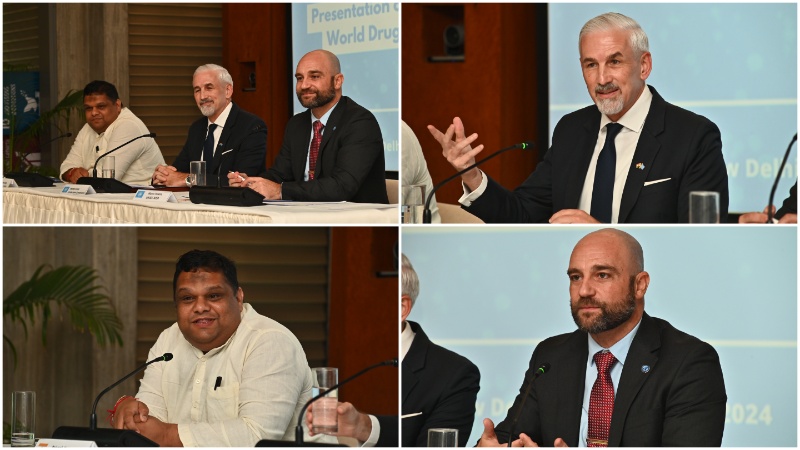
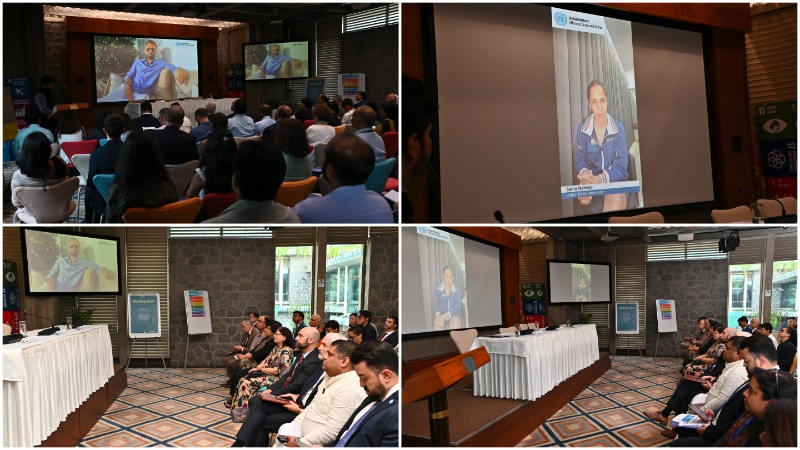
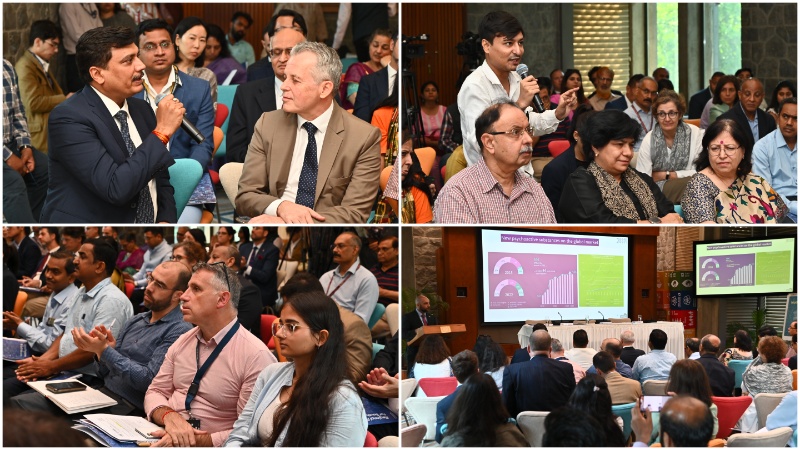
India: Presentation of key findings from UNODC’s World Drug Report 2024 to mark the International Day Against Drug Abuse and Illicit Trafficking​


Drugs_Main2.jpg


New Delhi, India/27 June 2024: The latest UNODC World Drug Report 2024 highlights a concerning rise in global drug use and the emergence of potent new synthetic opioids, exacerbating the world drug problem and its associated health, social, and environmental impacts.

According to the report, the number of people using drugs reached 292 million in 2022, a 20 percent increase over the past decade.

Cannabis remains the most widely used drug globally, with 228 million users, followed by opioids (60 million users), amphetamines (30 million users), cocaine (23 million users), and ecstasy (20 million users). The report also underscores the environmental impact of drug production and trafficking, including the harmful effects of spraying illicit substances on crops.

Drugs_Main3.jpg


Presenting the findings of the report at the UN House in New Delhi, Marco Teixeira, UNODC Regional Representative for South Asia, said, “The situation is serious. Our responses cannot wait. Our responses cannot be disjointed.” “Evidence-based prevention programs give people, especially young people, the knowledge and skills they need to avoid drug use,” he added. Special messages from Indian Actor-Entrepreneur Suniel Shetty and Badminton Icon Saina Nehwal were also screened at the event, raising awareness against drug use.

Despite an estimated 64 million people worldwide suffering from drug use disorders, only one in 11 receives treatment. Women, in particular, face significant barriers, with only one in 18 women with drug use disorders receiving treatment compared to one in seven men.

Priyank Kanoongo, Chairperson of the National Commission on Protection of Child Rights, emphasized the need to address these disparities, saying, "We must protect vulnerable populations, especially children, from the harmful effects of drug trafficking and ensure their right to a healthy and safe environment."

The report also reveals that drug trafficking fuels organized crime groups, which are diversifying into other illegal economies, such as wildlife trafficking, financial fraud, and illegal resource extraction.

Addressing drug use and its consequences requires a comprehensive strategy that includes prevention, treatment, and the strengthening of law enforcement to disrupt the criminal networks profiting from these illicit activities.

“Our efforts must be balanced, uphold rights to health, uphold human rights and help people struggling with addiction,” said Shombi Sharp, UN Resident Coordinator in India.

Drugs_Main1.jpg


Following a drastic 95 percent decrease in Afghanistan’s opium production in 2023 and a 36 percent increase in Myanmar, global opium production fell by 74 percent in 2023. Long-term implications, including changes in heroin purity and a potential rise in demand for opiate treatment services, may soon be felt in countries affected by Afghan opiates.

The report emphasizes that the right to health is an internationally recognized human right that applies to all individuals. It calls for increased efforts to ensure that everyone, regardless of their drug use status, has access to the necessary health services and support.


Source:


Whats happening in India how big is your drug trafficking, look at that report @cricketjoshila @Rajdeep @Vikram1989
 
In order to find the prevalence of drug abuse in India, a study was conducted by the Ministry of Social Justice and Empowerment (MoSJE). As per the 2019 report, 14.6% of the population uses alcohol. It is higher among men than women. It was found that 2.8% of the population uses Cannabis. This article covers the causes and harmful effects of drug abuse.


States with Highest Prevalence of Cannabis are
  1. Uttar Pradesh
  2. Punjab
  3. Sikkim
  4. Chhattisgarh
  5. Delhi.
India is sandwiched between the two largest Opium producing regions of the world that is the Golden triangle on one side and the Golden crescent on the other.
  • The golden crescent area includes Pakistan, Afghanistan and Iran. Further details on the Golden Cresent are available on the linked page.
  • The golden triangle area comprises Thailand, Myanmar, Vietnam and Laos, Read in detail about the Golden Triangle on the given link.

What are the Causes of Drug Abuse?

Some of the causes behind drug abuse are listed below.
  1. Family history of addiction
  2. Mental health disorder
  3. Peer pressure
  4. Lack of family involvement
  5. Early use
  6. Taking highly addictive drugs.

What are the Different Types of Substance Abuse?

The 8 different types of substance abuse are listed below.
  1. Alcohol
  2. Cannabis
  3. Opioids
  4. Sedatives
  5. Inhalants
  6. Cocaine
  7. Amphetamine Stimulants
  8. Hallucinogens

What are the Harmful Effects of Drug Abuse?

The harmful effects of drug abuse could be short-term or long-term. It could have a direct or indirect impact. The effects also depend on the type of drugs used. Short-term effects are listed below.
  1. Change in heart rate
  2. Change in blood pressure
  3. Heart attack
  4. Stroke
  5. Psychosis
  6. Change in appetite
The long-term effects are listed below.
  1. Heart disease
  2. Lung disease
  3. Cancer
  4. AIDS
  5. Hepatitis

The magnitude of Substance Abuse in India – 2019 Report

As per Magnitude of Substance Abuse in India 2019 report
  1. 72 lakhs people need treatment for using Cannabis
  2. 11 lakhs people need treatment for using sedatives
  3. 60 lakhs people need treatment for using Opioids.
  4. It was estimated there are around 16 crore alcohol consumers in the 10-75 years age group in India.
  5. 5.7 crore people needed treatment for using alcohol.

Reasons for Drug Abuse

  1. To be accepted by the peers
  2. Increasing economic stress
  3. Changing cultural values
  4. Experimentation
  5. Neurotic pleasure
  6. Ineffective Policing

Drug Abuse – Negative Impacts

Some of the negative impacts of drug abuse are given below
  1. Increase in diseases like HIV, Hepatitis B and C, Tuberculosis
  2. Increase in violence
  3. Economic potential gets wasted
  4. Affects relationships with family, friends creating emotional and social problems
  5. Increases financial burden
  6. Women face domestic violence

India – Signatory of Various International Treaties and Conventions to Combat Drug Menace

United Nations General Assembly (UNGA) on 7th December 1987, decided that 26th June of every year will be recognized as the International Drug Day (another name for International Day against Drug Abuse & Illicit Trafficking). Further details on International Drug Day are available on the given link.
India is a signatory of the following international treaties and conventions to combat the menace of Drug Abuse
  1. United Nations (UN) Convention on Narcotic Drugs (1961)
  2. United Nations (UN) Convention on Psychotropic Substances (1971).
  3. United Nations (UN) Convention against Illicit Traffic in Narcotic Drugs and Psychotropic Substances (1988)
  4. Transnational Convention Crime (2000)
Drug Abuse and WHO
WHO has played an important role within the UN system in addressing the world drug problem. WHO activities to counter the world drug problem can be presented under the following main dimensions:

  • prevention of drug use and reduction of vulnerability and risks;
  • treatment and care of people with drug use disorders;
  • prevention and management of the harms associated with drug use;
  • access to controlled medicines; and
  • monitoring and evaluation.
Daily News

Target 3.5 of UN Sustainable Development Goal 3 sets out a commitment by governments to strengthen the prevention and treatment of substance abuse. You can go through the details on Sustainable Development Goals SDGs on the linked page.

Battle Against Drug Abuse in India – Recent Developments

  1. Government will roll out its Action Plan for 2020-21 known as Nasha Mukt Bharat.
  2. The Focus of the plan will be to build treatment and drug de-addiction facilities in 272 districts identified as vulnerable based on access to drugs and prevalence of substance abuse.
  3. The Action plan will be steered by the Ministry of Social Justice and Empowerment. (MSJE).
  4. Among the 272 Vulnerable districts identified Uttar Pradesh has 33 vulnerable districts, Punjab (18 districts), Delhi (11 districts), Gujarat (8 districts) and Maharashtra (Pune, Mumbai, Nashik, Nagpur).

Nasha Mukt Bharat Action Plan 2020-21 – Ministry of Social Justice and Empowerment

The main components and 3 pronged strategies of Nasha Mukt Bharat are given below.
Nasha Mukt Bharat will focus on 3 pronged strategies, which are listed below.

  1. Treatment through the Health Departments.
  2. Outreach/Awareness by Social Justice
  3. Narcotics Bureau
Nasha Mukt Bharat – Main Components of the Action Plan 2020-21
  1. Awareness generation programs in University Campuses Higher Education institutions, and schools.
  2. Building capacity for service providers
  3. Focus on Treatment facilities in Hospital Settings.
  4. Identification of dependent population and community outreach.
The above details would help candidates prepare for UPSC 2023.

Frequently Asked Questions about Drug Abuse in India

Q1

Which state consumes highest drugs in India?

The states contributing the largest numbers of cannabis users to the sample were Uttar Pradesh (20.8%), followed by Bihar (18.6%), Kerala (15.8%), West Bengal (7.4%) and Maharashtra (7.0%)..

Q2

What are ethical issues in drug abuse?

There are many social and ethical issues surrounding the use and abuse of drugs. These issues are made complex particularly because of conflicting values concerning drug use within modern societies. Values may be influenced by multiple factors including social, religious, and personal views.


Souce:


@Rajdeep @cricketjoshila @Champ_Pal @Devadwal @uppercut @straighttalk @Vikram1989 @Varun @Romali_rotti @Bhaijaan @Cover Drive Six @rickroll @RexRex @rpant_gabba, @Romali_rotti @kron @globetrotter @Hitman @jnaveen1980 @Local.Dada @CrIc_Mystique @Van_Sri @nish_mate @SportsWarrior @kaayal
 

Explore Drug Abuse Facts and Statistics​


This article provides insights into global and national drug abuse trends, highlighting signs and symptoms to recognize substance misuse. It offers guidance on seeking help, emphasizing the importance of early intervention and support systems. By examining both the broader landscape and individual experiences, readers gain a comprehensive understanding of drug abuse and avenues for assistance.

Understanding drug abuse can be a slow and complicated process as it involves layers of social, economic and cultural aspects. It empowers individuals to recognize signs of drug abuse in themselves or others, facilitating early intervention and drug addiction treatment. Secondly, knowledge of the prevalence and impact of drug abuse on society informs policymakers, healthcare professionals, and communities about the resources needed for prevention and treatment rehab programs.

Moreover, it reduces the stigma surrounding addiction by fostering empathy and understanding. By comprehensively understanding drug abuse, individuals and society can work towards effective prevention strategies, provide support for those struggling with addiction, and ultimately mitigate the devastating effects of substance abuse on both individuals and communities.

What is Drug Abuse?​

Drug abuse refers to the habitual, excessive, or harmful use of drugs for non-medical purposes. It encompasses the misuse of both legal substances, such as prescription medications and alcohol, and illegal drugs, like cocaine, heroin, and methamphetamine. Drug abuse often leads to physical, psychological, and social harm, impacting individuals' health, relationships, and overall well-being.

What Happens to the Brain When a Person Takes Drugs?​

When a person takes drugs, various substances alter the brain's chemistry and functioning. They typically mimic or disrupt neurotransmitters, causing artificial stimulation or suppression of neural activity. This often leads to feelings of euphoria, altered perception, impaired judgment, and heightened risk of addiction. Over time, drug use can rewire the brain's reward system, making it increasingly difficult to resist cravings and control impulses.

Key Drug Abuse Facts and Statistics on Drug Abuse​

Globally, drug abuse remains a pressing issue, with millions affected each year. In 2019, approximately 269 million people used drugs worldwide, with opioids, cannabis, and cocaine being the most commonly abused substances. Injection drug use poses additional risks, contributing to the spread of diseases such as HIV/AIDS. Effective prevention and treatment strategies are crucial to addressing this widespread public health concern.

Global and National Statistics​

In India, drug abuse presents a significant concern, with 250 individuals per 100,000 reported as drug abusers, according to the Ministry of Social Justice and Empowerment. Cannabis, heroin, opium, and, increasingly methamphetamine are commonly used substances. The country faces a rise in injecting drug use. Estimates suggest unofficially that India may have up to five million heroin users, contrasting with official figures. A 2019 survey revealed 2.26 crore individuals using opioids and 3.1 crore using cannabis. Shockingly, suicides linked to substance abuse and alcohol addiction doubled from 2010 to 2019, reaching 7,860 cases.

In the past year, approximately 46.8 million Americans aged 12 and older, constituting 16.7% of the population, faced a substance use disorder. Among them, 10.5% struggled with an alcohol use disorder, while 9.7% battled a drug use disorder. Additionally, 2.9% grappled with both alcohol and drug use disorders concurrently. Furthermore, 8.4% of American adults, totaling 21.5 million individuals, dealt with co-occurring mental health and substance use disorders, highlighting the interconnectedness of these issues in society.

Trends in Drug Abuse Among Different Demographics​

In 2015, Punjab's government found 230,000 drug users, equaling 836 per 100,000 residents, surpassing India's average of 250. Common drugs include cannabis, heroin, and opium, with rising methamphetamine use and injection drug use. Estimates suggest 5 million heroin users, contrasting with official figures. In 2019, 2.1% used opioids and 2.8% used cannabis. Alarmingly, drug and alcohol-related suicides doubled in India from 2010 to 2019.

Understanding Addiction: Facts and Statistics​

Understanding addiction through drug abuse facts and statistics illuminates its prevalence and impact, fostering empathy and awareness.

The Science of Addiction​

Addiction is a multifaceted brain disorder marked by an individual's uncontrollable urge to seek and use substances, even when aware of the adverse effects. This behavior stems from alterations in brain circuitry, disrupting neurotransmitter levels and hijacking reward pathways. Genetic predispositions, environmental influences, and developmental factors contribute to vulnerability. Understanding these aspects helps in comprehensive interventions that address the underlying neurobiology.

Addiction vs. Abuse: What's the Difference?​

Addiction and abuse both involve substance misuse but differ in severity and behavioral patterns. Abuse refers to occasional or recreational drug use that may lead to negative consequences but does not necessarily result in dependency.

In contrast, addiction entails compulsive drug seeking and use despite adverse outcomes, accompanied by physical and psychological dependence. Addiction involves changes in brain chemistry, whereas abuse may not.

Symptoms of Drug Abuse​

Symptoms of drug abuse include changes in behavior, mood swings, neglect of responsibilities, and physical signs like bloodshot eyes or tremors. Recognizing these drug abuse symptoms early enables intervention and support, facilitating prompt access to treatment and preventing further escalation of substance misuse issues.

Physical Symptoms​

  • Bloodshot eyes or dilated pupils
  • Sudden weight loss or changes in appetite
  • Frequent nosebleeds or runny nose (for snorted drugs)
  • Tremors, shakes, or impaired coordination
  • Slurred speech or impaired motor skills
  • Insomnia or excessive sleepiness
  • Poor hygiene or neglect of physical appearance
  • Needle marks or track marks (for injection drug use)
  • Persistent cough or respiratory issues.

Behavioral Symptoms​

  • Sudden changes in social circles or withdrawal from family and friends.
  • Increased secrecy or dishonesty about activities and whereabouts.
  • Erratic or unpredictable behavior, such as mood swings or agitation.
  • Neglect of responsibilities at work, school, or home.
  • Engaging in risky behaviors, such as driving under the influence or unprotected sex.
  • Legal issues or conflicts with authority figures due to substance-related actions.

Addressing Drug Abuse and Addiction​

Addressing drug abuse symptoms and addiction requires a multifaceted approach involving prevention, intervention, and treatment. This includes raising awareness about the risks of substance abuse, providing education and resources for early intervention, offering accessible and comprehensive treatment rehab programs, and supporting individuals in their journey towards recovery. Additionally, addressing underlying factors such as mental health issues and socioeconomic disparities is crucial for long-term success in combating drug abuse and addiction.

Treatment Options and Recovery for Drug Abuse​

Treatment options for drug abuse symptoms include detoxification to manage withdrawal Drug Abuse

symptoms, behavioral therapies to modify attitudes and behaviors related to substance use, medications to alleviate cravings and restore normal brain function, and support groups to foster social connections and mutual encouragement.

Recovery from drug abuse is a lifelong process requiring commitment, resilience, and ongoing support. Emphasizing holistic care that addresses physical, psychological, and social aspects is essential for promoting sustained sobriety and improving overall well-being.

Can Drug Abuse and Addiction be Prevented?​

Preventing drug abuse and addiction involves comprehensive strategies targeting individuals, communities, and society as a whole. These may include early education on the risks of substance use, promoting healthy coping mechanisms and resilience-building skills, implementing policies to limit access to addictive substances, fostering supportive environments, and providing access to mental health services.

Towards a Hopeful Horizon: Overcoming Drug Abuse with Cadabams​

Discover the path to overcoming drug abuse with Cadabams. Our personalized treatment programs, compassionate care, and evidence-based therapies provide a roadmap to recovery. Take the first step towards a healthier, substance-free life today.

If you are searching for a solution to your problem, Cadabams Anunitha’s De-Addiction Centre can help you with its team of specialized experts. We have been helping thousands of people live healthier and happier lives for 30+ years. We leverage evidence-based approaches and holistic treatment methods to help individuals effectively overcome drug abuse. Get in touch with us today. You can call us at +91 96111 94949.

FAQs​

1. What is your understanding of drug abuse?​

Drug abuse refers to the misuse of substances, leading to negative consequences on physical, mental, and social well-being, often characterized by compulsive and harmful patterns of drug-seeking behavior.

2. Did you know the facts about drugs?​

Drugs can alter brain chemistry, leading to addiction. Substance abuse affects millions worldwide, contributing to health issues, crime, and socioeconomic challenges. Early intervention and education are vital for prevention.

3. What are the straight facts about drugs and drug abuse?​

Drugs alter brain function, leading to addiction. Abuse harms physical and mental health, fostering crime and social issues. Education, prevention, and treatment are essential for combating drug abuse effectively.

4. What are drug facts and comparisons?​

Drug Facts and Comparisons is a trusted drug information database offering comprehensive details on medications, including dosages, interactions, and adverse effects. It serves as a valuable resource for healthcare professionals to make informed decisions about prescribing, managing, and educating patients on various pharmaceuticals and treatment options.


Source:


WOOOOOOW, India has a huge drug problem on its hand.


@Rajdeep @cricketjoshila @Champ_Pal @Devadwal @uppercut @straighttalk @Vikram1989 @Varun @Romali_rotti @Bhaijaan @Cover Drive Six @rickroll @RexRex @rpant_gabba, @Romali_rotti @kron @globetrotter @Hitman @jnaveen1980 @Local.Dada @CrIc_Mystique @Van_Sri @nish_mate @SportsWarrior @kaayal
 

Hydro ganja worth Rs 6.23 crore seized at Bengaluru airport, three arrested​


Customs officials said the ganja was carefully packed and hidden inside the luggage to avoid detection. A detailed examination led to the recovery of the high-grade cannabis, following which the passengers were taken into custody.


New Delhi:
In a major crackdown on drug smuggling, Bengaluru Customs officials intercepted three passengers arriving from Bangkok and seized 17.80 kilograms of hydroponic ganja concealed in their checked-in baggage. The contraband, valued at Rs 6.23 crore in the illicit market, was detected during routine checks at Kempegowda International Airport on December 28, 2025. All three accused were arrested under the Narcotic Drugs and Psychotropic Substances (NDPS) Act, 1985, officials said.


Drugs hidden in check-in baggage

Customs officials said the ganja was carefully packed and hidden inside the luggage to avoid detection. A detailed examination led to the recovery of the high-grade cannabis, following which the passengers were taken into custody. Further investigation is underway to trace the larger network behind the smuggling attempt.

Smuggling cases busted earlier this month

This seizure comes just a month after Bengaluru Customs officials busted two separate smuggling cases involving passengers arriving from Bangkok.

In the first incident, two passengers were intercepted at KIA after officials found exotic wildlife hidden in their baggage. The seized animals included a white-cheeked gibbon, a monkey, and a hornbill, all of which are protected under Indian and international wildlife laws.

The passengers were arrested under the Wildlife (Protection) Act, 1972, and the rescued animals were handed over to concerned authorities for medical care and rehabilitation.

On the same day, Customs officers also stopped another passenger arriving from Bangkok and recovered 2.99 kilograms of hydroponic ganja from his luggage. The narcotics were estimated to be worth Rs 1.04 crore. The accused was arrested under the NDPS Act, 1985.

Officials said these repeated interceptions highlight the growing attempts to use international routes, particularly from Southeast Asia, for smuggling drugs and wildlife into India. Bengaluru Customs have intensified surveillance and checks at the airport to curb such illegal activities and warned that strict legal action will continue against offenders.


Source:
 

52 test positive for drug consumption in year-end raid​


Three alleged drug peddlers arrested and 250 grams seized


Sudheer Kumar Reddy | Photo Credit: Special Arrangement
Fifty-two persons, including 23 students, tested positive for narcotic drug consumption, following 1,000 screening tests conducted across hostels, Paying Guest (PG) accommodation and other places in Mangaluru on December 30 and 31, according to city police.


ADVERTISING

In a press note, Police Commissioner Sudheer Kumar Reddy said the city police undertook a proactive and preventive enforcement drive to ensure a safe and drug-free environment for citizens. As part of the operation, the police conducted drug tests on 1,000 suspected individuals based on credible intelligence and behavioural indicators.


Source:
 

52 test positive for drug consumption in year-end raid​


Three alleged drug peddlers arrested and 250 grams seized


Sudheer Kumar Reddy | Photo Credit: Special Arrangement
Fifty-two persons, including 23 students, tested positive for narcotic drug consumption, following 1,000 screening tests conducted across hostels, Paying Guest (PG) accommodation and other places in Mangaluru on December 30 and 31, according to city police.


ADVERTISING

In a press note, Police Commissioner Sudheer Kumar Reddy said the city police undertook a proactive and preventive enforcement drive to ensure a safe and drug-free environment for citizens. As part of the operation, the police conducted drug tests on 1,000 suspected individuals based on credible intelligence and behavioural indicators.


Source:
@Rajdeep @cricketjoshila @Champ_Pal @Devadwal @uppercut @straighttalk @Vikram1989 @Varun @Romali_rotti @Bhaijaan @Cover Drive Six @rickroll @RexRex @rpant_gabba, @Romali_rotti @kron @globetrotter @Hitman @jnaveen1980 @Local.Dada @CrIc_Mystique @Van_Sri @nish_mate @SportsWarrior @kaayal
 

Substance Abuse in India: Transitioning from Penalisation to Care and Rehabilitation


Introduction

Substance abuse is a persistent challenge impacting not only public health, law, and enforcement but also social stability, economic productivity, and institutional capacity. From alcohol to opioids and synthetic drugs, India, like many other countries has been battling addiction for decades now. But, in past few years, the magnitude and scale of the problem especially among youth and marginalised communities, has led to bigger issues. What was once viewed primarily as a health issue has now escalated into a multidimensional crisis that strains law enforcement, exposes policy gaps, and demands a coordinated, long-term response.The 2019 report by AIIMS on the magnitude of substance use in India revealed that over 5.7 crore Indians were affected by substance use disorders, with more than 2.6 crore using opioids and around 16 crore consuming alcohol, often in harmful or dependent patterns.

At the global level, the UNODC World Drug Report 2024 highlights a 20% increase in drug use over the past decade, with 29.2 crore people using drugs in 2022. Despite 6.4 crore people globally suffering from drug use disorders, only 1 in 11 receive treatment implying a lack of access to treatment.

A Growing Divide: Drug Arrests and Treatment Access in India

Despite the alarming figures, India’s policy response remains heavily skewed towards law enforcement over rehabilitation. Arrests under the NDPS Act rose from 73,841 in 2020 to 1,16,098 in 2024, while access to treatment services remains limited and uneven. The situation is particularly acute in Punjab with 66 lakh drug users, and Kerala has witnessed a dramatic surge in synthetic drug use, especially MDMA, resulting in a 330% rise in registered drug cases between 2021 and 2024. Combined with persistent social stigma, these conditions continue to discourage individuals from seeking help, reinforcing cycles of addiction and marginalisation.

The heat map below visualises the total number of drug-related cases reported across Indian states over the past three years. States like Punjab, Maharashtra, Uttar Pradesh, and Kerala stand out with consistently high case volumes. While this reflects enforcement activity, it also signals deeper patterns of substance use prevalence and trafficking intensity in these regions.

Narcotics-Control-Bureau-State-Wise-Cases-Data-2022-2024-1024x998.png
Note : Figure created by the author using data from the Narcotics Control Bureau State Wise Cases Data 2022-2024.
Retrieved from https://sansad.in/getFile/annex/267/AU1508_qqxsW2.pdf?source=pqars

India’s Policy Approach

Indias-Policy-Approach.png
Source: Created by the author
India’s backbone response to substance abuse is primarily supported by the Narcotic Drugs and Psychotropic Substances (NDPS) Act, 1985 which criminalises the production, possession, sale, purchase, and consumption of drugs. Although it includes provisions for rehabilitation, in practice, users are often treated as offenders rather than patients.

Recognising the gap, the government introduced the National Action Plan for Drug Demand Reduction (NAPDDR) in 2018 to shift its focus on prevention, awareness, and rehabilitation. Under this, the Ministry of Social Justice and Empowerment (MoSJE) and the Ministry of Health and Family Welfare have supported the creation of rehabilitation centres and Opioid Substitution Therapy (OST) programmes.

One of the government’s flagship initiatives, Nasha Mukht Bharat Abhiyan (NMBA) operates across all state districts via 10,000 volunteers, reaching over 14.79 crore people, including youth and women. 350 Integrated Rehabilitation Centres for Addicts (IRCAs) that provide reintegration, counselling, and detox were opened in 2022. To support at-risk children, drop-in and peer-led centres offer safe spaces for assessment and referral.

To expand institutional care, the government has also strengthened medical infrastructure for addiction treatment. Addiction Treatment Facilities (ATFs) and District De-addiction Centres (DDACs) now offer structured, multi-disciplinary treatment. Awareness is supported through Navchetna school modules and a toll-free helpline (14446) for parents, teachers, and students.

In FY 2024–25, the MoSJE allocated ₹333 crore to NAPDDR, up from ₹260 crore the previous year, signalling increased policy focus. However, despite record drug seizures worth ₹16,914 crore in 2024, many programmes still suffer from limited reach, fragmented implementation, and underfunding, particularly in rural and underserved regions.

Widening Policy Gaps

Rising Arrests, Low Convictions: Despite stringent policies adopted by the government, drug-related crimes and consumption continue to increase. According to the Narcotics Control Bureau (NCB), India recorded 1,16,098 arrests under the NDPS Act in 2023. However, conviction figures remain disproportionately low, with only 110 convictions reported in same year, especially for high-level traffickers. Corruption within enforcement agencies remains a critical challenge. Drug syndicates have reportedly known to bribe police officers, customs staff, and field agents to leak raid information or facilitate trafficking routes. In 2024, two Chennai police officers and an NCB official were arrested for allegedly tipping off traffickers about impending raids. Similarly, in 2023, the CBI initiated an inquiry against former NCB Zonal Director Sameer Wankhede for allegedly seeking a ₹25 crore bribe in connection with a high-profile drug case.

Data-from-the-Narcotics-Control-Bureau-2019%E2%80%932024-1024x563.png
Note: Figure created by the author using data from the Narcotics Control Bureau (2019–2024).
Retrieved from https://sansad.in/getFile/loksabhaquestions/annex/184/AU223_Gq8wnM.pdf?source=pqals
Inaccessible and Underfunded Rehabilitation: Rehabilitation centres remain underfunded and often inaccessible to most users with a lack of trained medical staff and insufficient beds, especially for rural and underserved urban areas. Social stigma further discourages people from seeking help and accepting the problem. In Ludhiana, Punjab, one of the worst-affected districts, the only government-run de-addiction centre saw patient numbers rise from 80 in 2021 to 196 in 2024, yet lacks a full-time psychiatrist and adequate staff. Many families with no affordable public inpatient options rely on private centres charging ₹30,000–₹80,000 per month. Nationally, the 2022 AIIMS-NIMHANS found that only 1 in 10 people with substance use disorders receive treatment, reflecting a deep mismatch between need and care availability.

Youth Exploitation: Drug peddlers exploit vulnerable youth in urban slums, initiating them into both substance abuse and crime. A 2023 cross-sectional study in Delhi found that 49% of street children aged 7–18 had used substances in the past year, with peer influence acting as a key driver. Similar results are seen in the states of Punjab, Haryana and all over India. These figures point to a systemic failure of not just of law enforcement, but of education and community support.

The result is a system that penalises rather than rehabilitates, missing the opportunity to treat substance abuse as a public health issue.

Best Practices: Home and Beyond

At the state level, promising trends are starting to appear in India. A community-based approach to addiction treatment has been adopted in Sikkim. As part of Tamil Nadu’s ‘Drug-Free Tamil Nadu’ initiative, Anti-Drug Clubs were established in government schools, organizing activities such as sports events and martial arts workshops to engage students and promote drug de-addiction through positive outlets. Kerala launched the Student Police Cadet (SPC) Project, which combined awareness-raising, athletics, and discipline in an after-school format. These programmes show that decentralised, community-led interventions can complement and support stringent policies.

Several countries offer models worth emulating. Portugal’s 2001 decriminalisation policy, which focused on treatment over incarceration, led to a 75% drop in drug-related deaths and crime by 2022. Another example is Iceland, which decreased teen drug usage from 42% in 1998 to 5% in 2016 by combining rigorous advertising bans, controlled alcohol availability, and after-school sports and art programmes.

Policy Recommendations

In its fight against rampant drug abuse, the government of India needs to shift the focus of policy from criminalisation to care by adopting the following:

Reforming NDPS Act: By learning from the Portugal model, adopt mandatory rehabilitation for first-time offenders, which will provide medical and psychological support and treat addiction as a health issue rather than a criminal offence.

Strengthen Youth Engagement & Education: India can learn from Iceland-inspired after-school programmes and adopt initiatives which combine sports, arts, counselling, and mentorship to reduce idle time and peer pressure among at-risk youth. Awareness tools such as street plays, peer mentoring, and community campaigns should be scaled up in slum areas and schools. Implement stricter control of advertising restrictions around schools and limit access to tobacco and alcohol to minimise youth exposure.

Support School Dropouts through Skill Development: Connect school dropouts with skill development programmes through mobile learning hubs and community education centres in risk-prone areas. Pilot Dropout Recovery Circles based in Iceland, matches young persons with mentors, imparting vocational skills and guidance in preventing them from getting into addiction cycle.

Revamp Rehabilitation Centres: Scale up government rehab centres with qualified staff and affordable access in underserved areas. Mandate annual surveys and public audits to ensure accountability, improve infrastructure, and monitor service quality, with options for follow-up care, job training, and social reintegration.

Conclusion In India, substance abuse is not just a legal but also a social, psychological and developmental challenge. While enforcement is crucial, the government must make more efforts to focus on rehabilitation, prevention, and reintegration. India can evolve a more holistic and comprehensive policy that views addiction as a health issue by taking inspiration from international models and scaling up effective local projects. To move towards a drug-free and resilient India by 2047, a combination of rehabilitation, technology-driven enforcement, youth involvement, and economic reintegration would be essential.


Source:


@Rajdeep @cricketjoshila @Champ_Pal @Devadwal @uppercut @straighttalk @Vikram1989 @Varun @Romali_rotti @Bhaijaan @Cover Drive Six @rickroll @RexRex @rpant_gabba, @Romali_rotti @kron @globetrotter @Hitman @jnaveen1980 @Local.Dada @CrIc_Mystique @Van_Sri @nish_mate @SportsWarrior @kaayal @saimayubera
 

Drug trafficking syndicate busted, 165 kg of ganja seized in joint Odisha-Delhi operation​


Drug trafficking syndicate busted, 165 kg of ganja seized in joint Odisha-Delhi operation


New Delhi, An interstate drug trafficking syndicate has been busted with the arrest of three people, including the kingpin who used his toy-packing business in Delhi to smuggle the contraband, an official said on Thursday.

The syndicate had trafficked more than 5,000 kg of ganja from Odisha to Delhi over the past year, the police claimed.

The police arrested Sonu, 30, a resident of east Delhi's Khichdipur, Ajeet, 41, of west Delhi's Jwala Puri, the alleged kingpin, and Rudrapratap Suar alias Pappu, a resident of Odisha, they said.

According to investigators, Ajeet used his toy-packing business in Nihal Vihar as a front for storing and moving the contraband.

The cannabis was concealed in boxes labelled as cashew nuts and transported through courier services.

The crackdown came after a tip-off on December 24, last year, when police were alerted that Sonu and Ajeet were likely to receive a consignment of cannabis in the Mangol Puri area of the city, the officer said.

A raiding team was formed, and surveillance was mounted. Around 8:40 pm, two men arrived separately on scooties and were seen shifting cartons, the police said.

They were apprehended and later identified as Sonu and Ajeet. A search led to the recovery of three cartons containing 15 packets each, which were examined by an FSL team and found to contain 47.34 kg of cannabis.

A case was registered under relevant sections of the NDPS Act, and both were arrested.

During interrogation, Ajeet disclosed that the consignment had been sent by a supplier identified as Pappu Suar from Odisha, he said.

Subsequently, during police remand, Ajeet was taken to Odisha, where officials verified that another consignment of seven boxes had been dispatched to Delhi through a courier service.

Acting on this lead, police conducted a raid at a courier office in Delhi and recovered an additional 118.4 kg of cannabis, taking the total seizure to 165.74 kg, the officials said.

Further investigation led to the arrest of Rudrapratap Suar alias Pappu, the main source of supply in Puri, Odisha, after nearly three weeks of surveillance, and brought to Delhi, they said.

Sonu, employed as a labourer, was allegedly paid ₹10,000 per consignment to receive deliveries on behalf of Ajeet.

Police said the syndicate had coordinated over 100 such deliveries in the past year. The operation led to the seizure of two mobile phones, two scooties and other incriminating items. Further investigation is underway.


Source:
 
Back
Top