






Bhaag Viru Bhaag
ODI Star
- Joined
- Aug 20, 2013
- Runs
- 33,303
Nepal on Friday announced the printing of a new Rs 100 currency note with a map that shows the contentious territories of Lipulekh, Limpiyadhura and Kalapani, already termed as “artificial enlargement” and “untenable” by India.
Four years after ties with India dived when Nepal included the areas of Kalapani, Lipulekh and Limpiyadhura in its new map, the government in Kathmandu has decided to come out with a Rs-100 currency note that depicts the country’s map with the areas under Indian control.
The decision on the new currency note, according to Nepal government spokesperson and Minister of Communication Rekha Sharma, was taken Thursday at a meeting of the cabinet chaired by Prime MinisterPushpa Kamal Dahal ‘Prachanda’.
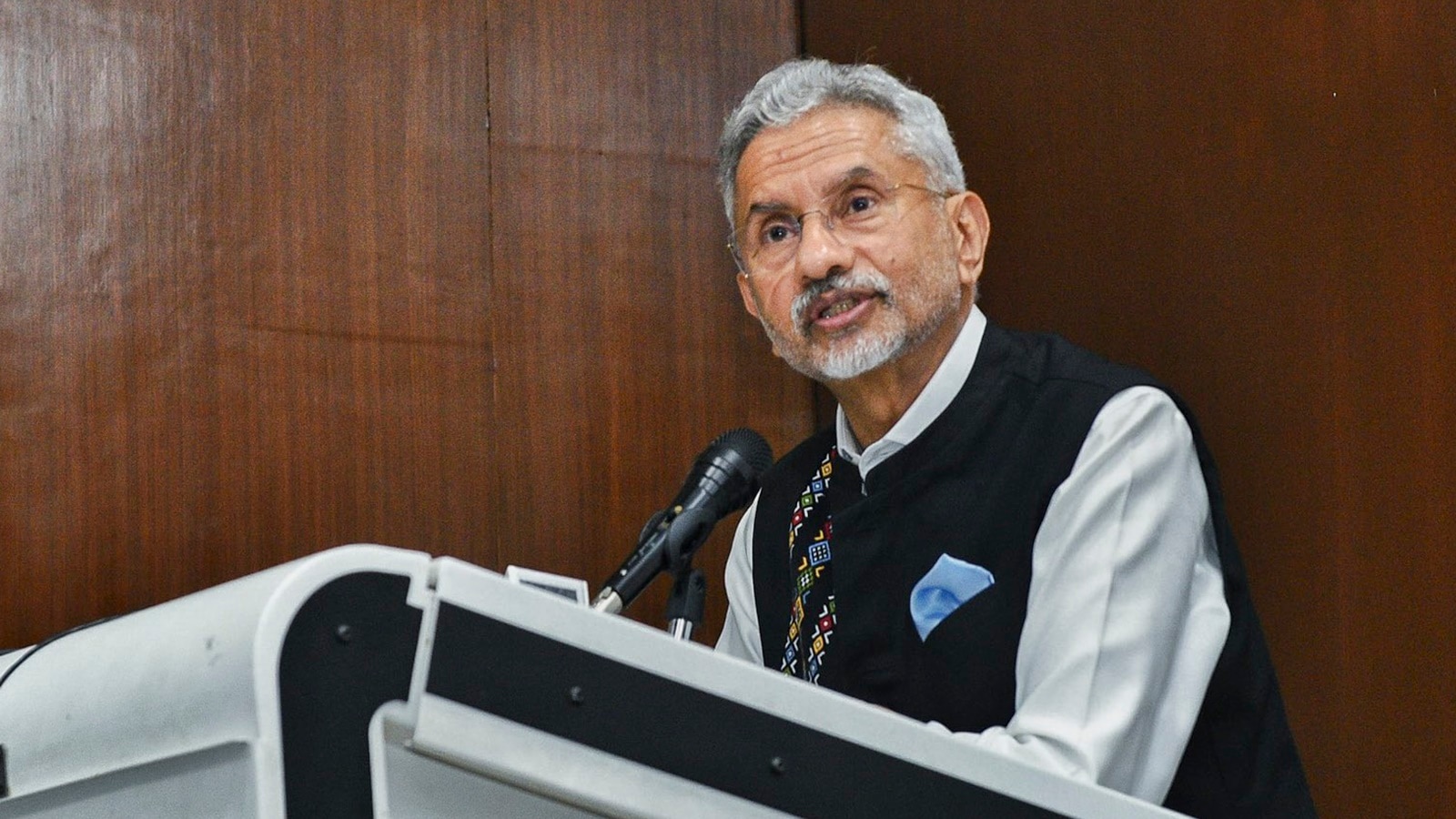
Kathmandu’s decision drew a sharp response from India Saturday with External Affairs Minister S Jaishankar saying that Nepal’s move will not change the situation or the reality on the ground.
Speaking to media persons in Bhubaneswar, Jaishankar said, “Our position is very clear. With Nepal, we are having discussions about our boundary matters through an established platform. In the middle of that, they unilaterally took some measures on their side.”
Relations between India and Nepal saw a slide after Delhi’s inauguration of a new road in May 2020 from Dharchula to Lipulekh on the Mansarovar Yatra route. This angered the then government in Kathmandu – KP Sharma Oli was Prime Minister then – which came out with a new map of Nepal, adding to it an area of 370 sq km at the tri-junction of Nepal, India and China which India maintains is its territory.
A Constitution amendment Bill was passed by Nepal’s parliament to legitimise the alteration to the country’s map with the addition of Kalapani, Lipulekh and Limpiyadhura. The passage of the Bill and the new map led to a temporary breakdown of communication between the two countries.
China tried to come to the rescue of the Oli government when it was tottering. But Oli’s government collapsed eventually and he had to resign in July 2021 following the reinstatement of Nepal’s parliament by its Supreme Court.
Unlike 2020, when the new map was brought out with the consensus of Nepal parties, the Prachanda government’s latest decision has met with scepticism and criticism at home. Some former diplomats and former Governors of the Nepal central bank have called it “unwise” and “provocative”.
The cabinet decision will be sent to the Rastra Bank, Nepal’s central bank, which may take up to a year to get the new note printed. The central bank will have to come out with tenders for printing quality notes.
Chiranjibi Nepal, former Governor of Rastra Bank and economic advisor to President Ram Chandra Poudel, said, “The decision of the government has come at the most inappropriate time and without thinking of its larger implications. Nepal being in dispute with India over certain parts of territory is one thing, but printing in the currency a map that is different from what the international bodies, including two neighbours, have recognised is unwise.”
A former Nepal diplomat said, “The decision of the government is too provocative and uncalled for.”
Nepal map on currency note to have Indian areas, EAM speaks out
Nepal on Friday announced the printing of a new Rs 100 currency note with a map that shows the contentious territories of Lipulekh, Limpiyadhura and Kalapani, already termed as “artificial enlargement” and “untenable” by India.
 indianexpress.com
Last edited by a moderator:


