Australia following the suit now against Asians
===
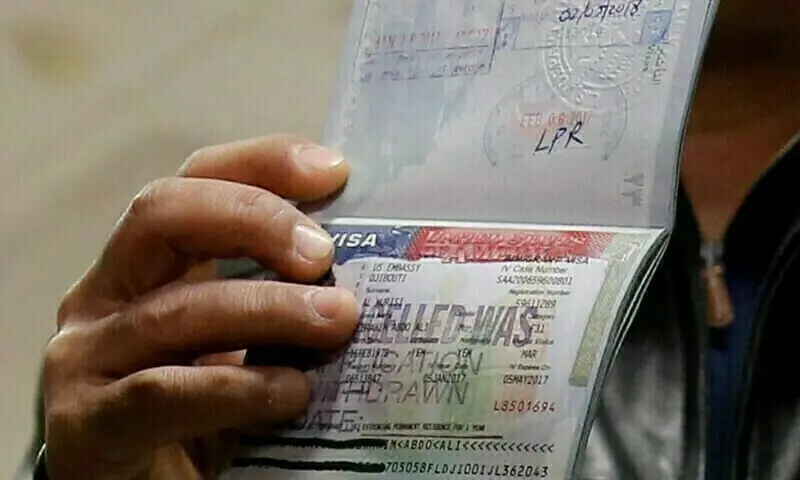
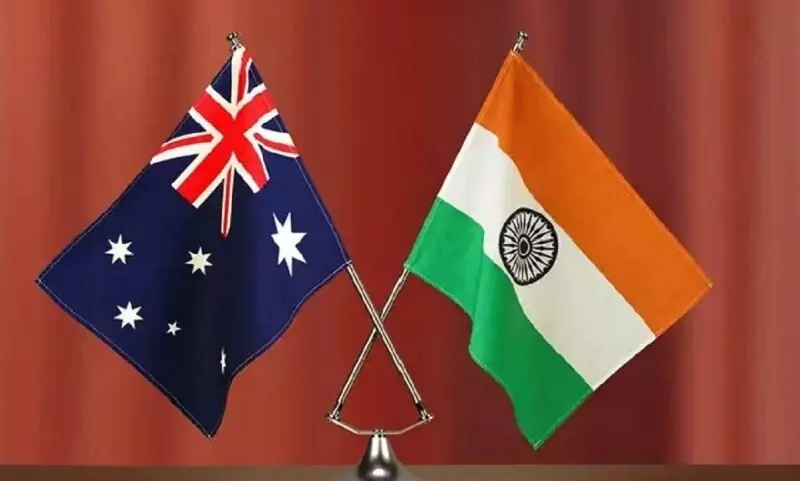
Australia has tightened checks for student visa applicants from India, moving it to the ‘highest risk’ category along with Nepal, Bangladesh, and Bhutan, according to Australian and Indian media.
The Times of India reported on Sunday that the re-rating of the countries was out of cycle, quoting Australian media, while the administration said this was triggered by “emerging integrity risks”.
According to the
TOI report, the administration did not cite any specific reason for which India had been assigned to a new category. However, it added that the move came after reports of “fake degree busts” in India which had reached international media.
“India alone accounts for almost 140,000 of Australia’s 650,000 international students, and the four nations represent nearly one-third of 2025 enrolments,” the Indian outlet said.
Impact on students
Assessment levels influence not only the documentary burden but also how easily prospective students can plan to study in Australia, according to The Australia Today.
“Higher levels typically require more extensive proof of finances, English proficiency and genuine temporary entrant intentions, among other criteria. These changes can slow processing times, increase applicant costs and discourage applicants if perceived as overly burdensome,” it said.
It added that international education stakeholder groups had stressed that clarity and predictability are essential, especially for countries that contribute significant student numbers and economic activity.
India, in particular, is one of Australia’s largest source markets for international students, it added.
According to the Australian outlet, experts say the latest changes may lead to closer scrutiny of applications from South Asia, but also stress that genuine students still have pathways to study in Australia.
The Australian Department of Education and Home Affairs is expected to publish detailed guidance for providers and agents explaining the basis for the updates and how documentation requirements will be implemented in practice, it said.
“The sector will be watching closely for official documents that could explain whether the Assessment Level changes are temporary or if they signal a longer-term shift in how Australia manages risk across major international student source markets,” it added.
Fraudulent applications
“Authorities have seen evidence of a rise in suspected fraudulent documentation — both financial and academic — from certain source countries during recent visits to South Asia,” The Australia Today said.
Australia’s Minister for International Education Julian Hill, reportedly described Australia as having become “the least worst country of choice amongst the Big Four” destinations for international students — referring to global competitors such as the United States, United Kingdom and Canada.
Hill said that this had prompted a stronger emphasis on documentary evidence and risk filtering to protect visa integrity, the Australian outlet reported.
Meanwhile, The Times of India said that according to experts, Australia now remained the only option among these destinations, as the US, UK and Canada were shutting their doors to foreign students.
“It recently became obvious that student applicants who couldn’t get into those other three countries are increasingly applying to come to Australia, and in many cases we’ve seen an increase in fraudulent financial and academic documents,” TOI quoted Phil Honeywood, chief executive officer of the International Education Association of Australia (IEAA), as saying.
“By placing a number of these countries into the highest risk rating level, it automatically enhances any filtering of the student visa applicants to ensure bona fide study motivation.”
Concerns over ambiguity
While some in the sector acknowledge the importance of maintaining rigour against fraud, the sudden jump in assessment levels — particularly the broad move of multiple large source countries such as India and Bangladesh to AL3 — has prompted questions about how risk is being measured and communicated.
The Australia Today reported that Honeywood had raised concerns about the timing and frequency of assessment level changes.
He said that ambiguity around shifting risk categories was affecting education providers at a critical point in the academic calendar during the first intake of 2026.
According to the outlet, he said that he had had a “long discussion” with Minister Hill about the sector’s concerns, “primarily with two aspects of the assessment level changes”.
“First and foremost, the frequency of change is causing confusion among providers here and agents offshore. Secondly, at the very time we are trying to ensure a good start to the year intake, we appear again as though we are not quite sure which countries we seek to recruit from.”
Honeywood added that educational institutions needed stability and clear policy signals to properly plan recruitment efforts, liaise with agents and support prospective students trying to understand evolving visa requirements, the outlet added.
The move came after reports of “fake degree busts” in India, which had reached international media, the report says.
www.dawn.com