




- Joined
- Aug 29, 2023
- Runs
- 44,705
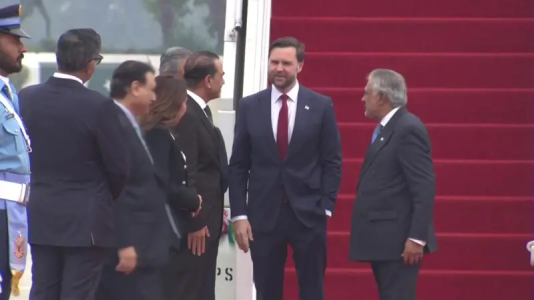
The ceasefire talks between the United States and Iran have entered a critical phase in Islamabad. After months of escalating tensions and repeated clashes, both sides have agreed to sit down at the negotiating table in hopes of finding a path toward stability. The international community is watching closely, as the outcome of these talks could shape the future of the region and beyond.
For Iran, the negotiations represent an opportunity to ease sanctions pressure and reduce the risk of further military confrontation. For the United States, the talks are a chance to prevent another prolonged conflict in the Middle East and to secure commitments that could lead to lasting peace. However, skepticism remains high. Previous attempts at dialogue have broken down, and mistrust between the two nations runs deep.
Observers are divided: some believe this round of talks could finally pave the way for a durable peace, while others fear that the negotiations will collapse, reigniting hostilities.
Background: Why Islamabad Matters
Ceasefire Context: After 40 days of intense fighting between Iran, the US, and Israel, Pakistan brokered a two-week ceasefire starting April 7, 2026. This halted missile strikes, air raids, and disruptions in the Strait of Hormuz.
Diplomatic Breakthrough: Prime Minister Shehbaz Sharif announced that both nations, along with their allies, agreed to an immediate halt to hostilities across all fronts, including Lebanon.
The Islamabad Accord: Pakistan initially proposed a 45-day phased ceasefire framework, but Iran rejected it and tabled its own 10-point peace plan. The current talks aim to reconcile these positions.
Why This Is Historic for Pakistan
Largest International Event in Years: Hosting direct negotiations between Washington and Tehran elevates Islamabad’s diplomatic profile, positioning Pakistan as a key mediator in Middle Eastern geopolitics.
Regional Stability: Success in these talks could reopen global shipping routes through the Strait of Hormuz and reduce risks of escalation into a wider regional war.
Global Attention: The negotiations are being watched by the UN, Gulf states, and major powers, making Islamabad the focal point of international diplomacy.