Legality To Illegality: How Lawful Immigrants Are Reclassified As “Unauthorized
Sweeping changes to immigration policy, creating a pipeline from lawful to illegal, means that some who once held lawful status will lose it

indiacurrents.com
Sweeping changes to immigration policy, creating a pipeline from lawful to illegal, means that some people who once held a lawful status will lose it
Picture this: You or someone you know has not broken one rule in the books. They have been working hard, paying their bills, sending their kids to school, and just going about the business of living in America. One day, they wake up to see that the very legal ground on which they have been standing is collapsing beneath them.
At a recent briefing hosted by American Community Media (ACoM), speakers dived into this concerning trend. They included Hiroshi Motomura, Co-Director of the UCLA Center for Immigration Law and Policy, Adelys Ferro, Executive Director of the Venezuelan American Caucus, Laura Flores-Perilla, attorney at the Justice Action Center, Jeremiah Johnson, former immigration judge in California and Executive Vice President of the National Association of Immigration Judges (NAIJ), and Andrea, a Dreamer and a DACA advocate.
There is a grim reality facing countless numbers of people in the U.S. as the Trump administration gears up to bring about profound changes in the nation’s immigration policies.
What this will mean is that groups of individuals who once held a lawful status will lose it. This will affect not just those who trekked across the border or overstayed their visas, but those who have lived in America
legally for years and even decades, building stable lives.
If these sweeping changes are implemented, they could impact a staggering two million people living in this country. And the effort would fundamentally reshape what legal immigration means.
The ACoM conversation outlined a complex, multi-pronged legal strategy aimed at dismantling established protections and creating a pipeline from lawful to illegal.
How exactly is a person who has lawful status today suddenly put on the path to losing it tomorrow?
Motomura explained that the administration is challenging the validity of various forms of lawful status. He said, “The administration is taking status away from non-citizens who have lawful status today.” Other than the lawful permanent residence (or green card), immigrants hold many statuses “that I think, sometimes people call in-between,” he added.
These “in-between” statuses—such as Temporary Protected Status (TPS) and humanitarian parole—are not long-term, but they come with essential work permits. Crucially, Motomura stressed that these statuses are “definitely lawful.” For many, these statuses are not the end of the journey, but a stop. They “are in the process of applying for a green card or a long-term status.”
By targeting these temporary, yet lawful, statuses, the Department of Homeland Security is, through changes in policy, effectively demolishing the bridge to long-term integration for entire communities.
The threat extends even to those with the most secure statuses. Motomura also issued a stark warning regarding the highest form of legal integration. “The administration is also quite intent on denaturalization of citizens.” This action involves looking back into past cases and attempting to strip citizenship from people who legally immigrated, became permanent residents and then naturalized years or decades ago,” he said.
This effort to rescind legal pathways accelerated after a high-profile incident involving an Afghan refugee and former elite CIA-trained squad member, an incident the administration used to blame refugees, restrict visas for 19 countries, and freeze Afghan immigration requests.
For advocates on the ground, the reality is one of daily struggle. Ferro, speaking on behalf of the Venezuelan community, encapsulated the emotional toll. “What I am hearing, what I am hearing over and over every single day is terror, fear, exhaustion, and betrayal,” she said.
When the administration targets lawful statuses like humanitarian parole, the Justice Action Center fights back in court, said Laura Flores-Perilla. “This is unprecedented and cruel and so that’s what we’re working on in that litigation,” she said.
Furthermore, the administration is attacking the infrastructure of legal review itself. Judge Johnson explained how the removal of judges and courts serves the larger goal of the policy shift. He said, “If you remove judges, remove courts, you’re removing that process of review, you’re turning people that once had legal status into this illegal status.”
The uncertainty is most poignant for young people like DACA recipients. Andrea, a DACA activist, reminded us that these policies are deeply personal. “I think sometimes within the media we can maybe forget that when we’re asking questions to these individuals, so kind of remembering that the humanity in it is that these policies are affecting people, these are our lives,” she said.
The U.S. is not simply changing rules for the future; it is replacing security with precarity for millions who believed they were safe, fundamentally challenging the definition of legal residency itself.
@Rajdeep @cricketjoshila @Champ_Pal @JaDed @Devadwal @uppercut @Theanonymousone @straighttalk @Vikram1989 @Varun @Romali_rotti @Bhaijaan @Cover Drive Six @rickroll @RexRex @rpant_gabba,
@Romali_rotti @kron @globetrotter @Hitman @jnaveen1980 @Local.Dada @CrIc_Mystique @Van_Sri
#FreeMinoritiesOfIndiaFromHindus
#SaveAllIndianMinorities
#FreeIndiaFromHinduExtremism
#SanctionIndiaIndians










 a brown Pakistani guy who lives in some infamous British suburb ghetto is asking me who lives in the USA in an upscale suburb to go home. A grade comedy lmao. I will go home one day but atleast live in your house properly without causing nuisance for others. That’s a bigger issue.
.png "Apology :apology")




 Non-issue
 designed to offend the cult but this is what the truth does. Good, the cult should have a taste of what 'Freedom' of speech means and an understanding of how the white man views and will forever view, the cult.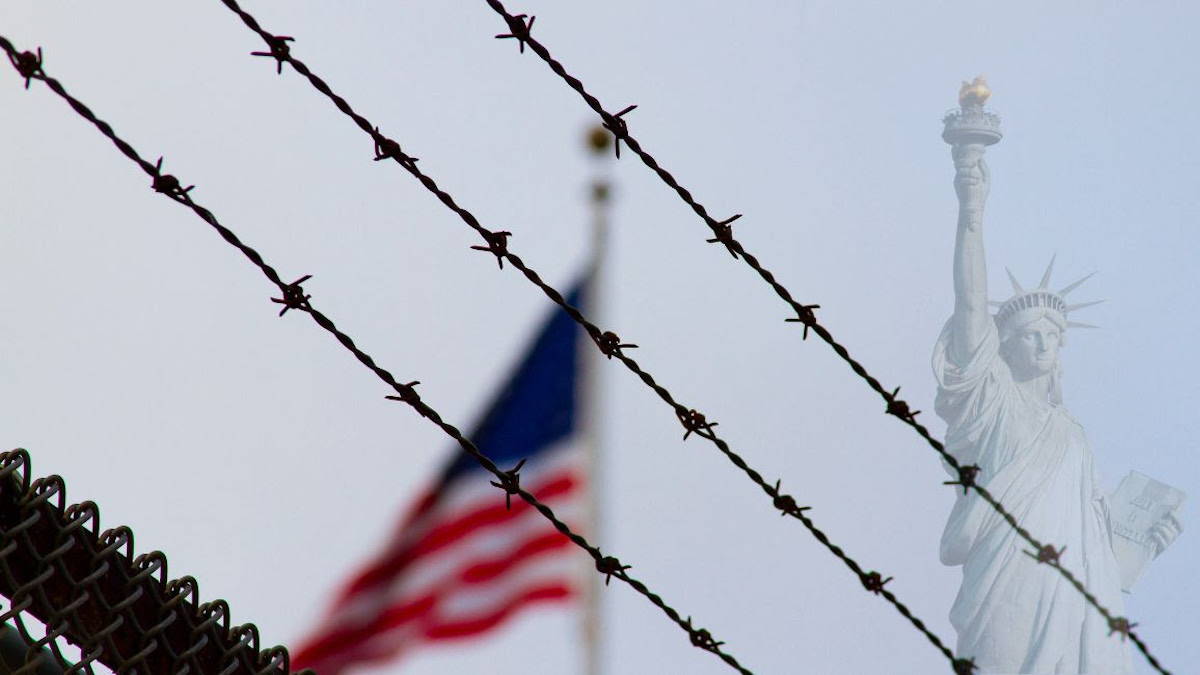



 ur American culture has venerated mediocrity over excellence for way too long (at least since the 90s and likely longer). That doesn’t start in college, it starts YOUNG.


 What is Happening Abroad?


